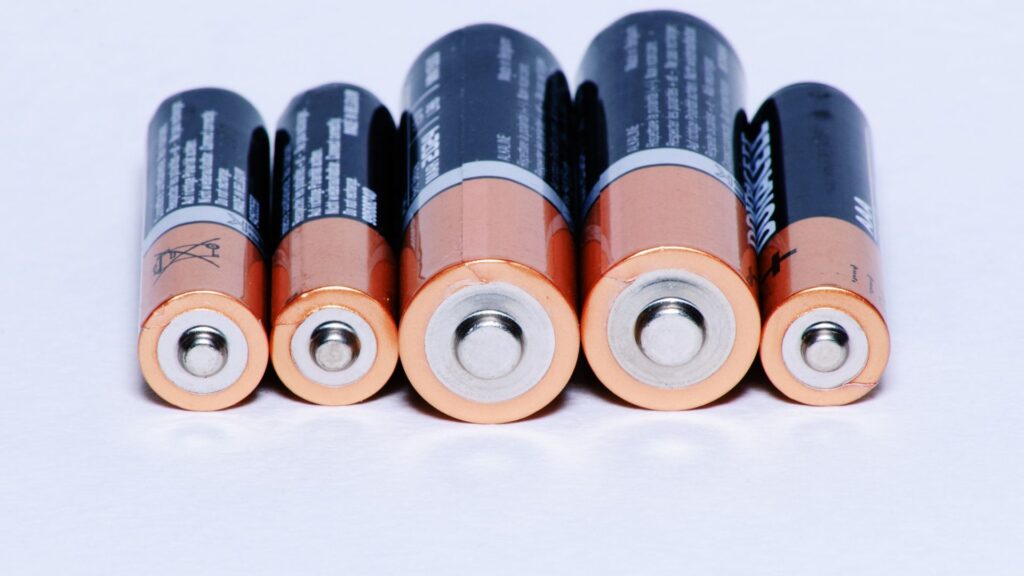
The global energy landscape is undergoing a profound transformation. At the absolute heart of this historic transition lies the lithium-ion battery. As industries, governments, and consumers worldwide pivot toward low-carbon energy systems and next-generation mobility, the demand for high-efficiency energy storage has reached unprecedented heights. Propelled by the exponential rise of electric vehicles (EVs), the massive expansion of renewable energy grids, and continual technological innovations, the global lithium-ion battery market is poised for extraordinary expansion in the coming decade.
According to market research by Renub Research, the global lithium-ion battery market is projected to expand dramatically from US$ 111.33 Billion in 2025 to US$ 562.91 Billion by 2034, registering an impressive Compound Annual Growth Rate (CAGR) of 19.73% during the forecast period from 2026 to 2034. This comprehensive growth trajectory underscores the critical role that lithium-ion technology will play in powering the modern world.
Download Free Sample Report:https://www.renub.com/request-sample-page.php?gturl=lithium-ion-battery-market-application-material-companies-p.php
Understanding the Lithium-Ion Battery Outlook
A lithium-ion battery is a rechargeable electrical energy component that functions by transferring lithium ions back and forth between an anode and a cathode during charging and discharging cycles. Over the years, these batteries have captured the global market because of their exceptional energy density, lightweight construction, long operational lifespan, rapid charging capabilities, and relatively low rates of self-discharge compared to conventional battery technologies.
The utility of lithium-ion batteries spans a vast ecosystem of industries. While consumer electronics initially pioneered their commercialization, modern demand is overwhelmingly shaped by electric vehicles, utility-scale renewable energy storage systems, medical equipment, aerospace, telecommunications, and industrial material handling. The global push toward electrification and clean energy has cemented lithium-ion technology as the undisputed gold standard of energy storage.
Global Deployment Trends (2015–2025)
The sheer scale of adoption over the past decade highlights how quickly industries have transitioned to lithium-ion solutions:
-
Massive Volume Growth: Global lithium-ion battery deployment surged from approximately 75 GWh in 2015 to an estimated 1,600 GWh by 2025.
-
The EV Dominance: Electric vehicles account for the largest share of total battery deployment, acting as the primary engine of market acceleration, particularly with sharp deployment spikes post-2020.
-
Grid Modernization: Utility-scale Energy Storage Systems (ESS) experienced extraordinary growth between 2021 and 2025, driven by the integration of intermittent solar and wind power into national grids.
-
Milestone Achievements: By 2024, total global battery deployment officially crossed the 1,250 GWh threshold, culminating in the 1,600 GWh milestone by 2025 across transportation, residential, commercial, and industrial sectors.
Primary Growth Drivers
1. The Accelerated Adoption of Electric Vehicles (EVs)
Electric mobility represents the single largest catalyst for the lithium-ion battery industry. Governments across the globe are enacting stringent vehicle emission standards, providing financial subsidies, and offering tax incentives to phase out internal combustion engines. In response, automakers are aggressively scaling up EV production lines and investing heavily in advanced cell chemistries to extend driving ranges and reduce costs. Beyond passenger cars, the rapid electrification of commercial trucks, buses, delivery vans, and two-wheelers continues to multiply the demand for high-performance batteries. Highlighting this unstoppable momentum, global electric vehicle sales reached an estimated 15.18 million units between January and September 2025 alone—representing a robust 30% year-over-year increase.
2. Expansion of Renewable Energy and Battery Energy Storage Systems (BESS)
As countries strive to meet aggressive net-zero carbon targets, the generation capacity of renewable energy sources such as solar and wind power is growing exponentially. However, because renewable energy generation is inherently intermittent, modern power grids require sophisticated buffering mechanisms to ensure continuous stability. Lithium-ion battery energy storage systems (ESS) provide the ideal solution, capturing excess electricity during peak generation hours and discharging it when demand peaks. Governments worldwide are actively supporting these grid-scale projects through favorable policies and clean energy initiatives. Reflecting the intersection of technology and green energy, innovative platforms like Orennia Inc.’s Ion.AI were launched to utilize artificial intelligence in optimizing decision-making across complex solar and wind energy projects.
3. Technological Innovations and Declining Manufacturing Costs
Continuous research and development in battery chemistry have unlocked remarkable improvements in energy density, thermal safety, charging speeds, and lifecycle durability. Innovations spanning high-nickel cathodes, silicon-based anodes, lithium iron phosphate (LFP) technology, and emerging solid-state concepts are pushing performance boundaries. Simultaneously, economies of scale from gigafactory production, supply chain optimization, and automated manufacturing have significantly reduced battery production costs over the past decade. Industrial applications are reaping these rewards; for instance, modern material handling equipment providers are rolling out advanced lithium-ion solutions equipped with high ingress protection ratings (such as IP69) and productivity boosts of up to 17% over legacy lead-acid batteries.
Market Challenges
1. Raw Material Supply Constraints and Price Volatility
Despite its bright outlook, the lithium-ion battery industry faces persistent hurdles regarding the procurement of essential raw materials. The production of these cells relies heavily on critical minerals such as lithium, cobalt, nickel, and natural graphite, which are geographically concentrated in specific regions. The explosive growth in EV manufacturing and grid storage has strained supply chains, leading to price volatility and potential bottlenecks. Geopolitical tensions, environmental regulations surrounding mining operations, and complex supply chains require manufacturers to aggressively diversify their sourcing channels and invest heavily in localized processing capabilities.
2. Safety Risks and End-of-Life Management
Safety remains an unyielding priority for the lithium-ion ecosystem. Risks such as thermal runaway, internal short circuits, and potential fire hazards demand rigorous engineering controls, advanced Battery Management Systems (BMS), and sophisticated thermal regulation architecture. Furthermore, efficient recycling infrastructure for spent lithium-ion batteries is still under development in several parts of the world. Establishing robust circular economy frameworks, scalable recycling technologies, and effective collection networks will be vital to recovering high-value metals, lowering environmental impacts, and insulating manufacturers from virgin material shortages.
Component and Product Type Insights
Component Breakdown
-
Cathode: Serving as the positive electrode, the cathode largely dictates a battery’s voltage, capacity, and overall thermal stability. Common configurations include Lithium Cobalt Oxide (LCO), Lithium Iron Phosphate (LFP), Lithium Nickel Manganese Cobalt (NMC), and Lithium Nickel Cobalt Aluminum (NCA).
-
Electrolytic Solution: Facilitating the seamless transport of lithium ions between the anode and cathode during charge and discharge cycles, the electrolyte formulation is fundamental to overall battery efficiency, safety, and lifespan. Ongoing research focuses heavily on advanced liquid, gel, and solid-state electrolytes.
Product Type Insights
-
Lithium Cobalt Oxide (LCO): LCO batteries remain the preferred choice for compact portable consumer electronics—including smartphones, laptops, tablets, and wearables—due to their exceptional energy density and stable performance in small-form-factor devices, even as alternative chemistries dominate heavy-duty applications.
Application Insights
-
Passenger Electric Vehicles (EVs): This segment represents the largest and fastest-growing application category globally. Consumer demand for extended driving ranges, rapid refueling times, and absolute reliability continues to push automakers toward high-capacity battery architectures.
-
E-Buses: Municipalities worldwide are aggressively modernizing public transportation networks by replacing diesel-powered fleets with zero-emission electric buses, creating a steady, high-volume demand for heavy-duty, long-lifecycle lithium-ion battery systems.
Regional Market Dynamics
United States
The U.S. market is experiencing robust, policy-backed expansion fueled by federal clean energy incentives, localized manufacturing investments, and widespread EV adoption. Major automotive players and battery suppliers are rapidly scaling domestic gigafactories to secure energy independence and supply chain resilience. Utility-scale BESS projects are also multiplying across states to modernize regional grids. Continuous domestic product rollouts—such as advanced industrial and material-handling battery systems designed for heavy logistics—continue to strengthen the country’s industrial competitiveness.
United Kingdom
Driven by aggressive legislative commitments to decarbonize transport and achieve net-zero targets, the UK market is steadily expanding. Government funding programs supporting zero-emission vehicles, local charging infrastructure, and circular economy initiatives are creating a thriving ecosystem for advanced energy storage. Collaborations between academic institutions, automotive giants, and innovative recycling startups (such as advanced hydrometallurgical recovery initiatives targeting lithium, nickel, and cobalt) are establishing the UK as a leader in sustainable battery lifecycle management.
India
India’s lithium-ion battery market is undergoing explosive growth, catalyzed by national initiatives promoting electric mobility, clean energy transition, and domestic manufacturing self-reliance. While the nation has historically relied on imported cells, massive capital investments in local gigafactories, assembly hubs, and government production-linked incentive schemes are rapidly transforming the landscape. High demand for electric two-wheelers, three-wheelers, passenger EVs, and commercial transport is cementing India’s position as one of the most dynamic emerging markets for energy storage. Strategic gigafactory commitments—such as multi-gigawatt manufacturing agreements established in states like Andhra Pradesh—illustrate the country’s rapid transition toward manufacturing independence.
Saudi Arabia
Under the ambitious framework of Vision 2030, Saudi Arabia is aggressively diversifying its energy portfolio by integrating massive renewable energy projects and advanced energy storage systems. Lithium-ion batteries are playing a pivotal role in utility-scale solar developments and smart-city infrastructure. Notably, the commissioning of world-class, multi-gigawatt-hour battery energy storage installations in regions like Asir Province highlights the Kingdom’s dedication to grid stability, clean energy integration, and sustainable economic transformation.
Comprehensive Market Segmentation
To accurately analyze the expansive ecosystem, the global lithium-ion battery market is structurally segmented across multiple parameters:
-
By Component:
-
Cathode
-
Anode
-
Electrolytic Solution
-
Others
-
-
By Product Type:
-
Lithium Cobalt Oxide (LCO)
-
Lithium Iron Phosphate (LFP)
-
Lithium Nickel Cobalt Aluminum Oxide (NCA)
-
Lithium Manganese Oxide (LMO)
-
Lithium Titanate
-
Lithium Nickel Manganese Cobalt (NMC)
-
-
By Application:
-
Passenger EVs
-
Commercial EVs
-
Electric Two/Three-Wheelers
-
E-Buses
-
Stationary Storage Systems
-
Consumer Electronics
-
-
By Regional Viewpoints (25 Key Regions):
-
North America: United States, Canada
-
Europe: France, Germany, Italy, Spain, United Kingdom, Belgium, Netherlands, Turkey
-
Asia Pacific: China, Japan, India, Australia, South Korea, Thailand, Malaysia, Indonesia, New Zealand
-
Latin America: Brazil, Mexico, Argentina
-
Middle East & Africa: South Africa, Saudi Arabia, United Arab Emirates
-
Competitive Landscape and Key Industry Players
The global competitive arena features prominent market leaders driving innovation, capacity expansion, and technological breakthroughs. Major industry participants evaluated across comprehensive corporate viewpoints—including executive overviews, key personnel profiles, strategic recent developments, detailed SWOT analyses, and exhaustive revenue tracking—include:
-
BYD Company Ltd.
-
Samsung SDI Company Limited
-
GS Yuasa Corporation
-
Johnson Controls Inc.
-
Exide Technologies
Conclusion
The trajectory of the global lithium-ion battery market reflects an unstoppable global movement toward electrification, grid modernization, and sustainable energy independence. Backed by robust foundational drivers, technological breakthroughs, and supportive government policies worldwide, the market is set on a definitive path toward monumental valuation milestones. As technological refinement continues to address cost, safety, and supply chain constraints, lithium-ion technology will remain the definitive cornerstone of the modern clean-energy economy for decades to come.