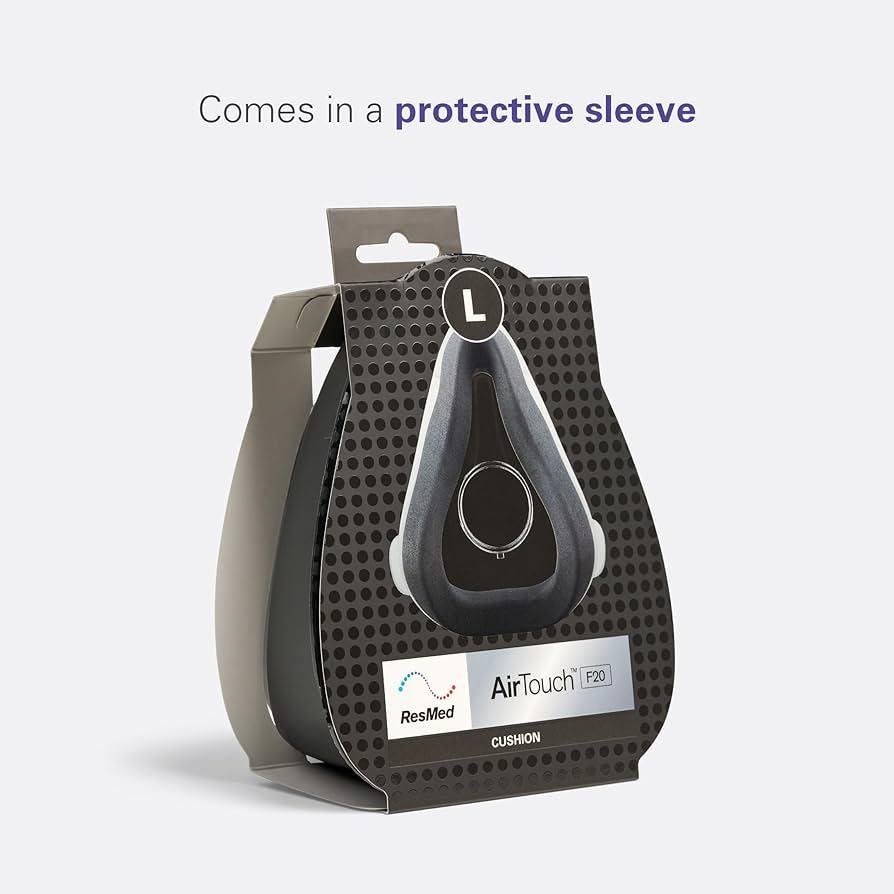
For CPAP users in the UAE dealing with skin irritation or pressure marks from a standard silicone mask, the AirTouch F20 memory foam cushion UAE suppliers stock has become a popular alternative. But is memory foam actually better than silicone, or does it just trade one set of problems for another? Here’s an honest comparison.
How the Two Materials Differ
Silicone (AirFit F20 cushion): A single-piece, flexible material that creates a seal through consistent tension and flexion against the skin. It holds its shape reliably over time and can be washed daily.
Memory foam (AirTouch F20 cushion): A softer material lined with cloth that gently warms with body heat and gradually moulds to your unique facial contours, rather than relying purely on tension to hold its seal.
Comfort: Memory Foam Generally Wins
For users with sensitive skin, facial hair, or a history of pressure marks, the ResMed AirTouch F20 cushion tends to feel noticeably gentler. Because it moulds to your face rather than pressing against it with consistent tension, it distributes contact more evenly — a real advantage if silicone has previously left you with red marks or discomfort.
Durability: Silicone Generally Wins
Silicone cushions typically last 1–3 months of nightly use and can be washed daily with mild soap and water. Memory foam, by contrast, needs replacing roughly every 2–4 weeks and can only be wiped clean — it can’t be washed, since water damages the foam material.
Seal Quality: It Depends on Your Face Shape
For users with less “standard” facial contours, memory foam’s ability to mould to unique shapes can actually improve seal quality compared to silicone. For users with more typical facial contours, silicone’s engineered flex often performs just as well, if not better, in terms of consistent seal quality night after night.
Maintenance: Silicone Is Simpler
If low daily maintenance matters to you, silicone is the easier option — a quick wash each morning is all it takes. Memory foam requires more frequent replacement and can’t be deep cleaned, only wiped, which some users find less convenient over time.
Cost: Silicone Is Generally More Economical Long-Term
Because memory foam needs replacing two to three times more often than silicone, the ongoing cost of maintaining a memory foam cushion setup is typically higher over the course of a year, even if the individual unit price is comparable.
So, Which Should You Choose?
- Choose memory foam if you have sensitive skin, experience pressure marks with silicone, or simply prefer the softest possible contact material — and you don’t mind the shorter replacement cycle.
- Choose silicone if you want lower long-term cost, easier daily cleaning, and a cushion that holds up reliably over months of use.
Since both cushions fit the same AirFit F20 frame and headgear, you’re not locked into one choice. Many users keep both on hand and switch depending on how their skin feels on a given week.
Where to Buy
If you want to try the AirTouch F20 memory foam cushion UAE-wide, you can order it directly here:
👉 Shop the ResMed AirTouch F20 Memory Foam Cushion – CPAPMedTrade
Neither material is objectively “better” — it comes down to your skin sensitivity, your maintenance preferences, and how much you’re willing to spend on more frequent replacements in exchange for extra comfort.