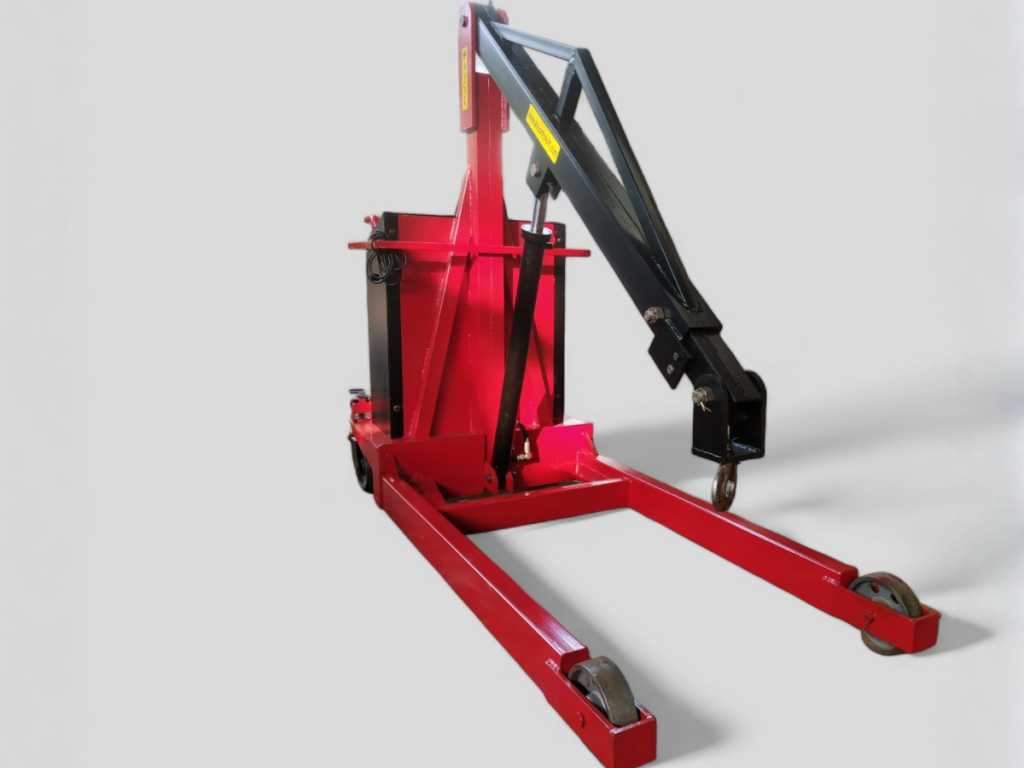
Material handling is an essential part of almost every industrial operation. From manufacturing plants and warehouses to engineering workshops and production facilities, businesses need reliable equipment to move heavy materials safely and efficiently. Among the many material handling solutions available today, Floor Cranes have become an important choice for lifting, positioning, and transporting heavy loads within industrial environments.
Designed to provide flexibility and convenience, floor cranes are suitable for applications where traditional overhead lifting systems may not be practical. They can help industries handle heavy components, machinery, dies, molds, and other materials while reducing manual effort and improving workplace productivity.
Avcon System is a leading material handling equipment manufacturer with 45 years of experience in the industry. With extensive knowledge of industrial lifting and material handling requirements, the company focuses on providing dependable equipment designed to meet the diverse needs of modern industries.
What Are Floor Cranes?
Floor cranes are mobile or stationary lifting equipment designed to lift and move heavy loads at floor level. Unlike conventional overhead cranes that require permanent structural installation, many floor crane systems offer greater flexibility and can be used in different areas of a facility depending on operational requirements.
These cranes are particularly useful in industries where heavy materials need to be lifted, positioned, or transferred over short distances. Depending on the design and application, floor cranes may be equipped with wheels, hydraulic systems, electric drives, or other lifting mechanisms.
The main purpose of a floor crane is to make heavy material handling easier, safer, and more efficient. By reducing dependence on manual lifting and handling, these systems can support better workflow management and help businesses improve overall operational efficiency.
Key Benefits of Using Floor Cranes
Choosing the right lifting equipment can have a significant impact on industrial productivity. Floor cranes offer several benefits that make them suitable for a wide range of material handling applications.
1. Easy Material Handling
One of the biggest advantages of floor cranes is their ability to simplify the handling of heavy loads. Operators can use the crane to lift and position materials with greater control, reducing the physical effort required from workers.
This is especially useful when handling heavy components that cannot be safely moved manually.
2. Improved Workplace Safety
Moving heavy materials manually can increase the risk of workplace injuries and product damage. Floor cranes provide a controlled lifting solution that can help minimize these risks.
When properly operated and maintained, industrial lifting equipment can contribute to a safer working environment by reducing unnecessary manual handling activities.
3. Flexible Operation
Many floor crane designs offer excellent operational flexibility. Mobile models can be moved between different work areas, allowing companies to use one lifting solution for multiple applications.
This flexibility can be valuable for manufacturing plants, maintenance departments, warehouses, and engineering workshops where lifting requirements may change throughout the day.
4. Efficient Use of Space
In facilities where installing an overhead crane is difficult or expensive, floor cranes can provide a practical alternative. They operate at floor level and do not always require extensive building modifications.
This makes them suitable for businesses looking for efficient material handling solutions without major structural changes to their facilities.
5. Increased Productivity
Time is an important factor in industrial operations. Delays in lifting or moving heavy materials can affect production schedules and workflow.
By providing a reliable lifting method, floor cranes can help operators move materials more efficiently. This can contribute to smoother production processes and improved overall productivity.
Applications of Floor Cranes
Floor cranes are used across various industries because of their versatility and lifting capabilities. Their applications depend on the crane’s design, capacity, reach, and operating environment.
In manufacturing industries, floor cranes can be used for handling machinery components, production parts, tools, and heavy assemblies. They can assist workers in moving materials between different stages of production.
In engineering workshops, floor cranes are useful for lifting heavy equipment, machine parts, and components during assembly or maintenance activities.
In warehouses, these cranes can support the handling of heavy goods and equipment where standard material handling methods may not be sufficient.
The automotive industry can also benefit from floor crane systems for handling engines, molds, dies, and other heavy automotive components.
In maintenance and repair facilities, floor cranes can make it easier to lift and position heavy machinery parts during servicing and replacement operations.
They are also useful in industries such as fabrication, construction equipment manufacturing, industrial machinery, and other sectors where heavy loads must be handled regularly.
Types of Floor Cranes
Different industrial applications require different lifting solutions. Therefore, floor cranes are available in various configurations to suit specific operational needs.
Mobile Floor Cranes are designed for applications where the crane needs to be moved from one location to another. Their mobility makes them suitable for workshops and production facilities with changing lifting requirements.
Hydraulic Floor Cranes use hydraulic mechanisms to provide lifting assistance. They are commonly selected for applications that require controlled lifting of heavy loads.
Electric Floor Cranes can provide convenient operation and are suitable for industrial environments where powered lifting and movement are required.
Battery Operated Floor Cranes offer greater flexibility by eliminating the need for direct electrical connections during operation. They can be useful in facilities where mobility and ease of operation are important.
The appropriate crane type depends on factors such as load capacity, lifting height, working area, frequency of use, and available floor space.
How to Choose the Right Floor Crane
Selecting a suitable floor crane requires careful consideration of the application’s specific requirements. Businesses should first determine the maximum weight of the materials that need to be lifted. Choosing a crane with an appropriate load capacity is essential for safe and efficient operation.
The required lifting height and reach should also be evaluated. If the crane needs to operate in confined spaces, its dimensions and maneuverability become important factors.
Businesses should also consider the operating environment. Factors such as floor conditions, available space, working frequency, and power requirements can influence the selection of the right equipment.
Another important consideration is maintenance and after-sales support. Choosing a manufacturer with experience in material handling equipment can help businesses receive better technical guidance and support throughout the equipment’s service life.
Why Choose Avcon System for Floor Cranes?
With 45 years of experience, Avcon System has established itself as a trusted name in the material handling equipment industry. The company understands that every industrial facility has different lifting and handling requirements.
As a leading material handling equipment manufacturer, Avcon System focuses on providing practical solutions for industries that need efficient and dependable equipment for handling heavy materials.
The company’s experience enables it to understand the challenges faced by industries in manufacturing, warehousing, engineering, and other industrial sectors. By focusing on application-specific requirements, Avcon System aims to deliver material handling solutions that support productivity, safety, and operational efficiency.
Businesses looking for reliable Floor Cranes can consider working with an experienced manufacturer that understands industrial lifting requirements and provides solutions suited to their specific applications.
Conclusion
Floor cranes have become an important part of modern industrial material handling. Their flexibility, ease of operation, and ability to handle heavy loads make them suitable for manufacturing plants, warehouses, workshops, maintenance facilities, and various other industries.
By reducing manual handling and improving the movement of heavy materials, these cranes can help businesses create safer and more efficient working environments. However, selecting the right crane requires careful evaluation of load capacity, lifting height, mobility, operating conditions, and application requirements.
With 45 years of experience, Avcon System is a leading material handling equipment manufacturer committed to supporting industrial businesses with reliable material handling solutions. For companies seeking efficient ways to lift, position, and handle heavy materials, choosing the right floor crane from an experienced manufacturer can be an important step toward improving productivity and workplace efficiency.