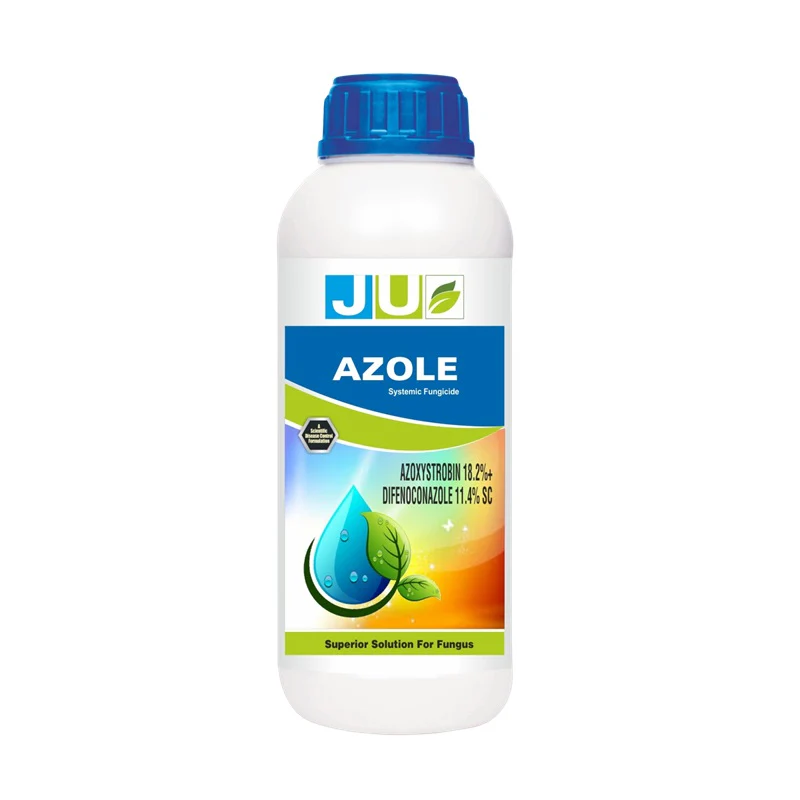
Fungicide for Tomato Farming
Fungal diseases are among the biggest reasons for yield loss in Indian agriculture. Whether you grow tomatoes, onions, paddy, potatoes, wheat, fruits, or vegetables, diseases caused by fungi can reduce crop quality, affect market prices, and lower overall farm profitability. Timely disease identification and the right fungicide application are essential for protecting crops throughout the growing season.
This guide explains how to select the right fungicide for different crops, the difference between preventive and curative disease management, and practical tips to improve disease control while supporting sustainable farming practices.
Why Is Fungicide Selection Important?
Different fungal diseases attack crops at different growth stages. A single product may not control every disease, so choosing the appropriate fungicide based on the crop, disease symptoms, and stage of infection is important.
Benefits of using the right fungicide include:
- Better disease prevention
- Improved crop quality
- Higher marketable yield
- Healthier plant growth
- Reduced crop losses
- Better return on investment
- Improved harvest quality
Early disease management is usually more effective than treating severe infections after they have spread across the field.
Common Fungal Diseases in Major Crops
Several fungal diseases commonly affect Indian crops.
Tomato
Tomato crops are highly susceptible to fungal infections, especially during humid and rainy conditions.
Common diseases include:
- Early blight
- Late blight
- Powdery mildew
- Leaf spot
- Anthracnose
Selecting the right fungicide for tomato farming helps reduce disease pressure and supports healthy foliage, flowering, and fruit development.
Onion
Onion cultivation often faces challenges from fungal pathogens that reduce bulb quality and storage life.
Major diseases include:
- Purple blotch
- Downy mildew
- Stemphylium blight
Using an effective fungicide for onion farming before disease spreads can protect foliage and improve bulb production.
Wheat
Rust diseases are among the most damaging fungal problems in wheat-growing regions.
Common rust diseases include:
- Yellow rust
- Brown rust
- Black rust
Applying a suitable fungicide for wheat rust at the recommended growth stage helps protect leaves, maintain photosynthesis, and improve grain filling.
Potato
Late blight remains one of the most destructive diseases in potato cultivation.
Symptoms include:
- Dark water-soaked leaf lesions
- Stem infections
- Rapid foliage collapse
- Tuber rot
Choosing the right fungicide for potato late blight as part of a preventive spray schedule significantly reduces disease spread.
Paddy
Rice crops frequently suffer from fungal diseases that reduce grain quality and yield.
Important diseases include:
- Rice blast
- Sheath blight
- Brown spot
- Sheath rot
A reliable fungicide for paddy crop should provide preventive as well as curative protection during critical crop stages.
Fruit Crops
Fruit orchards also require effective disease management.
A quality fungicide spray for fruits helps manage diseases such as:
- Anthracnose
- Powdery mildew
- Downy mildew
- Fruit rot
- Leaf spot
Timely spraying protects fruit quality and improves market value.
Organic Fungicide for Vegetables
Many growers also look for an organic fungicide for vegetables as part of integrated disease management.
Organic approaches may include:
- Biological fungicides
- Trichoderma-based products
- Copper-based formulations where permitted
- Good field sanitation
- Crop rotation
- Balanced nutrition
Organic methods are generally most effective when combined with preventive farming practices rather than relying on them after severe disease outbreaks.
Contact vs Systemic Fungicides
Understanding the difference between fungicide types helps farmers make better decisions.
Contact Fungicides
Contact fungicides remain on the plant surface and protect against new infections.
Advantages:
- Prevent spore germination
- Lower resistance risk
- Excellent preventive protection
Best used before disease becomes severe.
Systemic Fungicides
Systemic fungicides are absorbed by plant tissues and move within the crop.
Advantages include:
- Internal disease protection
- Curative activity
- Longer residual performance
- Better protection of new growth
Many modern disease management programs combine both contact and systemic fungicides for improved control.
Integrated Disease Management
Successful disease control depends on more than spraying alone.
An integrated disease management approach includes:
- Disease-resistant varieties
- Healthy certified seed
- Crop rotation
- Field sanitation
- Balanced fertilization
- Proper irrigation management
- Timely fungicide application
- Regular crop scouting
Combining these practices helps reduce disease pressure while improving long-term farm productivity.
Practical Tips for Better Disease Control
Farmers can improve fungicide performance by following these recommendations:
- Identify the disease correctly before spraying.
- Apply fungicides at the first sign of infection.
- Follow recommended dosage and spray intervals.
- Ensure complete plant coverage.
- Avoid spraying during strong winds.
- Rotate fungicides with different modes of action to reduce resistance.
- Use clean water and calibrated spray equipment.
- Follow label instructions carefully.
Choosing the Right Fungicide
When selecting a fungicide, consider:
- Crop type
- Disease symptoms
- Growth stage
- Weather conditions
- Preventive or curative requirement
- Mode of action
- Residual protection
- Compatibility with integrated crop management
Choosing products according to actual field conditions improves effectiveness and supports sustainable farming.
Crop Protection Solutions Available Through Gramiti
Farmers can explore crop protection solutions from Gramiti.
Depending on the crop and disease situation, the platform offers a range of fungicides suitable for different farming needs, including products such as:
- JU AZOLE – Broad-spectrum systemic fungicide for diseases in tomato, onion, wheat, sugarcane, paddy, chilli, cotton, maize, and other crops.
- JU ZODIA – Dual-action fungicide recommended for early blight, yellow rust, sheath blight, purple blotch, and related fungal diseases.
- JU AZOLANE – Triple-action formulation designed for rice blast, sheath blight, and brown spot management.
- JU BULLET – Suitable for controlling late blight and downy mildew in potato, tomato, and grapes.
- JU CARBENDAZIM – Broad-spectrum systemic fungicide used across several field and horticultural crops.
- JU-MASAAL – Combination fungicide providing both contact and systemic protection against multiple fungal diseases.
Selecting products should always be based on crop requirements, disease diagnosis, and the directions provided on the product label.
Why Farmers Choose Gramiti
Gramiti is committed to supporting Indian farmers with quality agricultural inputs and reliable service. The platform offers fungicides, herbicides, insecticides, crop protection products, and crop nutrition solutions backed by expert support, competitive pricing, and convenient online ordering. Cash on Delivery and fast delivery options further simplify access to quality farming products.
Business Information (NAP):
Gramiti – A Trusted Place for Farmers
7th Floor, Express Trade Tower II, B-36, Sector 132, Noida, Gautam Buddha Nagar, Uttar Pradesh – 201301
Phone: +91 993-997-9905
Email: customercare@gramiti.com
Website: https://gramiti.com
Conclusion
Effective fungal disease management starts with early detection, proper field monitoring, and selecting the right fungicide for the target crop. Whether you are managing tomato blight, onion diseases, wheat rust, potato late blight, paddy infections, or fungal problems in fruits and vegetables, combining preventive practices with suitable fungicide programs helps protect crop health and maximize productivity.
By following integrated disease management principles and using quality crop protection solutions responsibly, farmers can improve yields, maintain better produce quality, and achieve more profitable harvests.
FAQs
1. When should I apply a fungicide for tomato farming?
Preventive spraying before severe disease development or immediately after the first symptoms appear generally provides better control than delayed treatment.
2. Which crops commonly require fungicide protection?
Tomato, onion, potato, wheat, paddy, grapes, chilli, cotton, sugarcane, fruits, and many vegetables frequently require fungicide applications depending on disease pressure.
3. What is the difference between contact and systemic fungicides?
Contact fungicides protect the plant surface, while systemic fungicides move inside plant tissues to provide internal protection and, in many cases, curative action.