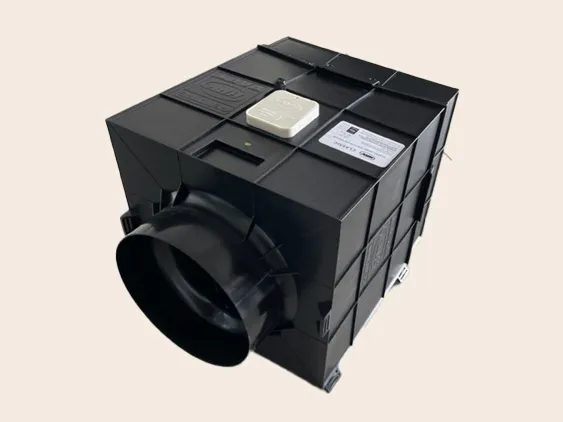
An HRV heating system is designed to optimise indoor comfort and energy efficiency by recovering heat from outgoing air and transferring it to incoming fresh air. This advanced technology ensures that homes maintain a consistent supply of fresh, clean air while minimising heat loss and reducing energy consumption. By improving ventilation and maintaining a balanced indoor environment, HRV systems contribute to healthier living spaces and reduced reliance on traditional heating methods. These systems are increasingly recognised for their role in energy conservation and their ability to support sustainable building practices. With their innovative approach to heat recovery and ventilation, HRV systems are becoming an integral feature of modern homes, offering both environmental and economic advantages without compromising on indoor air quality or thermal comfort.
Understanding HRV Heating and Ventilation System
An HRV heating and ventilation system operates by recovering heat from the outgoing exhaust air and transferring it to the incoming fresh air. This process minimises energy waste, allowing for efficient heating while maintaining continuous ventilation. Unlike traditional systems, which often result in significant heat loss, HRV systems effectively utilise existing heat to reduce energy consumption. The system is designed to maintain a balanced indoor environment, providing consistent thermal comfort without unnecessary strain on additional heating appliances.
By supporting a controlled exchange of heat and air, HRV systems contribute to optimising indoor conditions while promoting energy-efficient practices, making them an integral feature in modern, sustainable building designs focused on minimising environmental impact.
How Does HRV System Improve Energy Efficiency?
HRV systems improve energy efficiency by utilising a heat exchange process that captures warmth from outgoing air and transfers it to incoming fresh air. This method reduces the reliance on primary heating systems, as the incoming air is pre-heated before entering indoor spaces.
By minimising heat loss during ventilation, the system lowers overall energy consumption and helps maintain a consistent indoor temperature. This efficient process is particularly beneficial in colder months, as it ensures comfort without significant increases in energy usage.
Additionally, the system’s ability to regulate airflow contributes to reducing unnecessary energy expenditure, making it an effective solution for optimising heating efficiency while maintaining a well-ventilated and comfortable indoor environment.
The Role of HRV in Indoor Air Quality
HRV systems play a pivotal role in maintaining a healthier indoor environment by ensuring the consistent exchange of stale and fresh air. Through advanced filtration processes, they reduce the presence of airborne pollutants, such as dust, allergens, and volatile organic compounds, contributing to cleaner air. These systems also help regulate humidity levels, mitigating issues like dampness and mould growth, which can negatively impact indoor conditions.
By continuously circulating filtered air and removing excess moisture, HRV systems create a balanced and comfortable atmosphere that supports overall well-being. This functionality is particularly beneficial in homes with limited natural ventilation, as it ensures a steady supply of fresh air without compromising energy efficiency or thermal comfort.
Installation Considerations for HRV Systems
Proper installation of an HRV system requires careful planning to ensure optimal functionality and efficiency. Factors such as the size of the property, airflow requirements, and existing HVAC infrastructure must be evaluated to determine the appropriate system configuration. Ductwork design should facilitate balanced airflow and minimal resistance, while placement of intake and exhaust vents should prevent cross-contamination and optimise ventilation. Adequate insulation around the ductwork helps minimise energy loss.
Additionally, professional installation is essential to meet building regulations and maintain the system’s performance over time. Proper commissioning, including testing and balancing airflow rates, ensures that the HRV system operates as intended, providing consistent ventilation and heat recovery to improve energy efficiency and indoor air quality.
HRV Systems in Different Climates
HRV systems function differently across various climates due to distinct environmental demands. In colder regions, they excel by recovering heat from outgoing air, which reduces the strain on traditional heating methods. This process ensures homes remain warm while maintaining ventilation. In warmer climates, the primary benefit lies in improving air circulation and controlling humidity levels, which can help prevent issues like dampness.
For areas with moderate temperatures, HRV systems balance ventilation and energy efficiency without significant heat recovery requirements. It is crucial to select an HRV system designed to address the specific climate conditions of a location, as this ensures optimal performance, whether the focus is on heat retention, humidity control, or continuous airflow.
HRV Ventilation System Explained
An HRV ventilation system works to maintain a consistent flow of fresh air while removing stale, contaminated air from indoor spaces. It achieves this by operating through a balanced airflow mechanism, which carefully regulates the intake and exhaust processes to preserve indoor comfort.
By filtering incoming air, the system helps to reduce the presence of airborne particles, such as dust and allergens, improving the overall air quality. Simultaneously, it aids in controlling indoor humidity levels, preventing conditions that could lead to mould growth or dampness.
This coordinated ventilation approach not only enhances the indoor environment but also supports energy efficiency by ensuring minimal heat loss during the air exchange process.
Maintenance Tips for Optimal HRV Performance
Regular upkeep is essential to ensure the efficiency and longevity of an HRV system. Filters should be cleaned or replaced periodically to prevent dust accumulation and maintain effective airflow. Inspecting ductwork for blockages or damage is crucial, as obstructions can disrupt the balance of intake and exhaust airflows, reducing performance. Fans and heat exchange components should be checked to ensure they are functioning correctly. Monitoring the system’s airflow balance helps maintain consistent operation and energy efficiency.
Additionally, ensuring that exterior vents remain clear of debris, such as leaves or snow, prevents restricted ventilation. Scheduling routine professional inspections can help identify potential issues early, preserving the system’s functionality and supporting optimal indoor air quality and energy savings.
Cost Considerations for HRV Systems
The cost of an HRV system encompasses several factors, including the unit itself, installation requirements, and any modifications needed for existing infrastructure. The size of the property and the complexity of the ductwork can influence installation expenses. Long-term energy savings contribute to the overall value of these systems, as reduced heating and ventilation costs offset initial investments over time.
Additional considerations include the frequency of maintenance and potential replacement of components like filters. Proper planning and professional installation help ensure the system operates efficiently, maximising its cost-effectiveness. While upfront costs may vary, HRV systems are widely recognised for their potential to balance financial outlay with enhanced energy efficiency and improved indoor air quality.
HRV System Integration with Smart Home Technology
Integrating HRV systems with smart home technology enhances the ability to manage indoor air quality and energy efficiency through automated and remote control features. Smart systems enable adjustments based on environmental conditions, such as temperature or humidity, to optimise system performance and reduce energy usage. By connecting with other smart home devices, HRV systems can function collaboratively within a wider network, responding dynamically to changes in occupancy or outdoor air quality.
Advanced sensors and data analysis tools allow the system to maintain precise ventilation and heat recovery levels. This integration supports the development of intelligent, energy-conscious homes that prioritise comfort and sustainability while reducing manual intervention in managing indoor environments.
Environmental Benefits of Using HRV Systems
HRV systems offer significant environmental advantages by optimising energy efficiency and reducing reliance on conventional heating methods. By recovering and reusing heat from outgoing air, these systems lower overall energy consumption, thereby decreasing greenhouse gas emissions associated with energy production. Additionally, HRV systems support sustainable building practices by improving indoor air quality without compromising energy performance.
Their ability to balance ventilation and heat recovery makes them a valuable tool in reducing energy waste in modern homes. The integration of these systems into residential and commercial buildings contributes to achieving long-term sustainability goals, aligning with the growing emphasis on environmentally friendly construction and energy-conscious living. Their design also minimises energy loss, promoting a more eco-efficient approach to heating and ventilation.
HRV System Design Options
HRV system design options encompass various configurations to accommodate diverse building layouts and ventilation needs. Factors influencing design include the placement of intake and exhaust vents to maximise airflow efficiency and ensure effective heat recovery. Customised ductwork arrangements can be developed to suit architectural constraints while maintaining balanced air distribution.
The choice of materials and insulation for ductwork also plays a vital role in minimising energy loss. Advanced designs may incorporate compact units for smaller spaces or zoned systems for larger properties, allowing tailored performance. These options ensure that HRV systems can be adapted to support optimal functionality in different settings.
Future Trends in HRV System Technology
Advancements in HRV system technology are focusing on enhancing energy efficiency and integration with emerging smart home ecosystems. Developments in materials used for heat exchangers are improving performance, allowing for greater heat recovery with minimal energy input. Innovations in control systems now incorporate artificial intelligence and real-time data analysis, enabling dynamic adjustments based on indoor and outdoor conditions.
The incorporation of renewable energy sources, such as solar power, is being explored to further reduce the environmental impact of HRV systems. These technological trends are shaping the future of sustainable building design, offering improved functionality alongside enhanced energy-conscious solutions.
Conclusion
An HRV heating system represents a transformative step forward for modern Australian residential and commercial building design. By capturing thermal energy from exhaust air and transferring it to fresh intake air, these systems balance superior energy efficiency with optimal indoor air quality. Beyond reducing overall heating costs and relieving strain on primary HVAC systems, HRV technology controls humidity, removes airborne pollutants, and mitigates mould growth. As integration with smart home automation and renewable energy sources advances, HRV systems stand as a pivotal feature for environmentally conscious construction, ensuring healthy, comfortable, and sustainable living environments across diverse climate conditions.
Frequently Asked Questions
How does an HRV heating system function during colder weather?
During colder months, an HRV heating system extracts warmth from the warm, stale air leaving the building and uses it to pre-heat the fresh, cold air coming inside. This heat exchange process happens without mixing the two air streams, allowing fresh air to enter at a comfortable temperature while drastically reducing energy consumption and lowering heating bills.
What maintenance is necessary to keep an HRV system working effectively?
Maintaining an HRV system requires periodic cleaning or replacement of air filters to ensure steady airflow and prevent dust accumulation. Homeowners should regularly check exterior vents to keep them clear of debris, inspect ductwork for blockages or leaks, and schedule professional inspections to evaluate fan performance and maintain airflow balance throughout the property.
How do HRV systems improve indoor air quality?
HRV systems enhance indoor air quality by continuously exchanging stale indoor air with fresh outdoor air. Integrated high-efficiency filtration removes common airborne pollutants, dust, and allergens, while continuous air circulation regulates moisture levels. Controlling humidity prevents dampness and mould growth, fostering a healthier, cleaner indoor breathing environment.
Can HRV systems be integrated into smart home setups?
Smart home technology integrates seamlessly with modern HRV systems to automate ventilation based on real-time environmental metrics. Smart sensors monitor temperature, humidity, and indoor pollutant levels, allowing the system to adjust fan speeds dynamically. This remote and automated control minimises manual intervention, optimizes comfort, and maximises energy savings.
Are HRV systems suitable for every regional climate?
HRV systems adapt well across various regions, though their primary operational focus shifts depending on environmental demands. In colder climates, heat retention remains the core benefit, whereas in warmer areas, the focus shifts to air circulation and humidity control. Selecting a system configured for local climate conditions ensures maximum operational performance and energy efficiency.
| Related Business Listings |
| Contact Directory |
| Local Business Profiles |