So you’ve been smoking meat in your backyard for a few years now, and honestly, you’re kind of over it. Your friends keep saying you should sell brisket at the farmers market. Your neighbor won’t stop asking when the next cookout is. And deep down, you know your old offset smoker just isn’t cutting it anymore. That’s usually about the time people start googling custom bbq pit trailers, and yeah, that’s exactly what we’re talking about today.
I’ve talked to a lot of folks over the years who went from a $300 backyard smoker to a full-blown competition rig, and almost every single one of them says the same thing: I wish I’d done this sooner. There’s something about having a smoker that actually rolls with you — to competitions, to catering gigs, to your buddy’s wedding because apparently you’re the “BBQ guy” now — that changes the whole game.
What Even Is a BBQ Pit Trailer, Anyway?
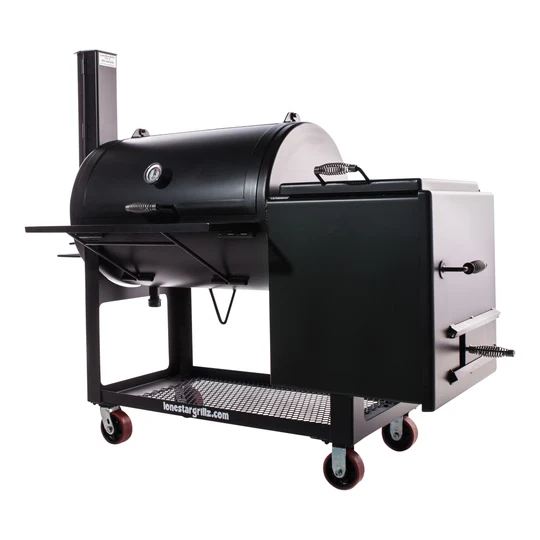
Okay, quick basics for anyone who stumbled in here without knowing much. A bbq pit trailer is basically a smoker built onto a trailer chassis, so instead of it living permanently in your backyard, you can hook it to your truck and haul it wherever the meat needs to go. Some are simple — just a firebox and a cook chamber on wheels. Others are absolute beasts with multiple chambers, warmers, sinks, generators, the whole nine yards.
The “custom” part is where it gets fun. A stock trailer smoker off a lot somewhere is fine if you just want something functional. But custom bbq pit trailers are built to your specs — your steel gauge, your chamber size, your layout, your logo slapped on the side if that’s your thing. You’re not settling for whatever a factory decided everyone needs. You’re telling the builder exactly what you want, and honestly, that matters more than people think until they’ve actually used one built for someone else’s habits.
Why People Go Custom Instead of Buying Off the Shelf
Look, there’s nothing wrong with grabbing a used trailer smoker from a classified ad if you just need something to get you cooking this weekend. But if barbecue is more than a hobby to you — if it’s a side business, a competition circuit thing, or you just refuse to half-ass anything — custom is where it’s at.
Think about it this way. Every pitmaster cooks a little different. Some guys run hot and fast, some like a low and slow all-nighter. Some need three racks for a big catering job, others need a smaller footprint because they’re hauling it with a half-ton truck, not a dually. A generic rig doesn’t account for any of that. It’s built for the “average” cook, and nobody actually is average once you’ve been doing this a while.
Custom builds also tend to hold up better long term. Cheaper mass-produced units sometimes skimp on steel thickness or weld quality just to hit a price point, and that stuff catches up with you two or three years in when your firebox starts warping or your seams start leaking smoke. A trailer built specifically for how you cook, with the right steel and the right craftsmanship, just lasts. It’s not glamorous, but it’s true.
What to Actually Look For When Shopping
If you’re browsing listings for bbq pit trailers for sale, don’t just look at the price tag and the picture. I get it, it’s tempting — shiny paint job, nice price, done deal. But a few things matter way more than looks.
Steel gauge is huge. Thicker steel holds heat better and just plain lasts longer, especially if you’re cooking in weather that isn’t exactly gentle. Ask what gauge they’re using before you get attached to a design.
Then there’s the trailer frame itself, not just the smoker part. A lot of people get so excited about the cook chamber they forget the axle, tires, and frame need to actually survive highway miles, loaded down, for years. Cheap axles fail. It happens more than you’d think.
Also pay attention to the firebox-to-cook-chamber ratio. This sounds nerdy but it genuinely affects how evenly your meat cooks. A poorly designed offset can leave you with hot spots that ruin an otherwise perfect brisket, and that’s heartbreaking after an overnight cook.
And honestly, ask about warranty and after-sale support. Any builder worth their salt stands behind their welds. If a company gets cagey when you ask “what happens if a seam cracks in year two,” that tells you something.
Custom Doesn’t Have to Mean Overpriced
There’s a myth floating around that custom automatically means you’re paying double for something a stock trailer could do just fine. Not really true. Sure, fully loaded competition rigs with sinks, generators, and fold-out prep stations cost real money — that’s just physics, more steel and more features means more cost. But a lot of custom builders offer tiered options, so you can get a rig that’s tailored to you without going all-in on every bell and whistle.
The trick is being honest with yourself about what you’ll actually use. Do you need a built-in warmer box? If you’re doing weekend competitions, probably yes. If you’re just trying to upgrade from your backyard setup to something you can tow to family gatherings, maybe skip it and save the cash. A good builder will actually talk you through this instead of just upselling you on everything they’ve got.
Building a Rig That Grows With You
One thing people don’t think about enough — your needs today aren’t your needs in three years. Maybe right now you’re just cooking for family and friends. But if there’s even a small chance you’ll eventually cater events or hit the competition circuit, it’s worth building a little bigger and a little tougher than you currently need. BBQ pit trailers for sale aren’t cheap, and building twice because you undersized the first time is a rough lesson to learn the hard way.
This is honestly one of the best reasons to go custom instead of buying whatever’s sitting on a lot. You can plan for where you’re headed, not just where you are right now.
Finding a Builder You Can Trust
At the end of the day, this comes down to who’s actually welding your trailer together. Look at their past builds. Ask around at competitions — pitmasters talk, and word travels fast about who cuts corners and who doesn’t. A builder with a real track record, actual references, and a willingness to walk you through the design process is worth way more than the cheapest quote you can find.
If you’re serious about upgrading, Lone Star Grillz is a name that comes up a lot among people who take their barbecue seriously, and it’s worth checking out what they’ve got going on. Take a look at their builds, ask questions, and see what a rig designed around your actual cooking style could look like. Head over to lonestargrillz and start figuring out what your next smoker really needs to be.
FAQs
- How long does it take to get a custom bbq pit trailer built? Depends a lot on the builder and how loaded the spec sheet is, but most custom builds take anywhere from a few weeks to a few months. If you’re adding a lot of extras — warmers, sinks, custom paint — expect it to lean toward the longer end. Ask your builder directly, since backlogs shift depending on the season.
- Are custom bbq pit trailers street legal to tow? Generally yes, as long as the trailer is registered and meets your state’s towing regulations, which usually cover things like lighting, brakes over a certain weight, and proper hitch setup. Always double-check your local DMV rules before you hit the highway with a loaded rig.
- What size trailer smoker do I actually need? It really comes down to how much meat you’re planning to cook at once and how often. Backyard and family use can usually get by with a smaller chamber, while catering or competition cooking needs more capacity. A decent builder will walk you through this instead of just selling you the biggest one.
- Is it worth buying used bbq pit trailers for sale instead of building custom? If your budget’s tight and you just need something functional now, used can work fine. But you’re stuck with whatever layout, steel gauge, and wear-and-tear the previous owner left you. Custom costs more upfront but you get exactly what you need, built the way you actually cook.