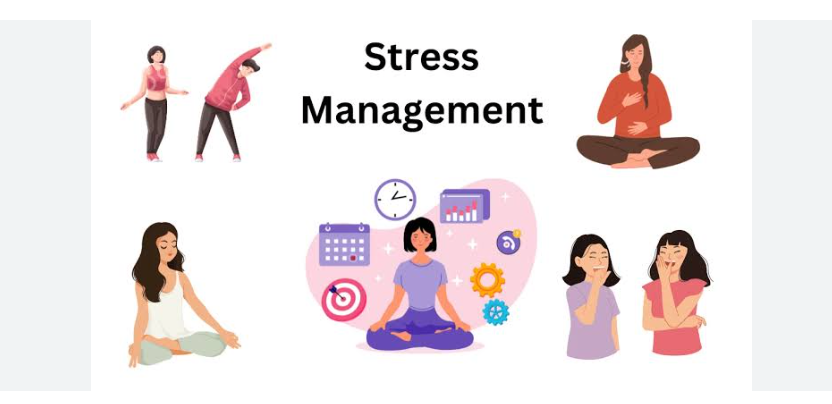
Stress management counselling and therapy play a crucial role in addressing the psychological and physical effects of stress. With modern lifestyles often characterised by demanding schedules and continuous challenges, stress has become an increasingly prevalent issue. Counselling and therapy provide structured approaches to understanding and managing stress, offering techniques tailored to individual needs. These practices focus on fostering resilience, improving emotional well-being, and addressing the root causes of stress to prevent its escalation. By employing evidence-based methods, such as cognitive-behavioural strategies and mindfulness, stress management services aim to equip individuals with practical tools to navigate pressures effectively. Integrating these therapeutic approaches promotes mental clarity and a balanced outlook, encouraging long-term stability and health. In this way, stress management counselling & therapy form an essential framework for achieving improved overall well-being.
Understanding the Roots of Stress in Daily Life
Stress arises from a combination of external pressures and internal responses, often influenced by individual perceptions and coping abilities. Common sources include occupational demands, financial concerns, family dynamics, and unexpected life changes. These stressors can accumulate and lead to physical and emotional strain if not addressed. Environmental factors, such as noise or overcrowding, and lifestyle habits, including poor time management or lack of self-care, can further exacerbate stress levels.
Understanding how these elements interact is essential in identifying personal triggers. Recognising the influence of personal values and expectations can also help in pinpointing sources of stress. By gaining clarity on these underlying factors, individuals can adopt targeted strategies and preventative measures to mitigate the negative impact of stress and foster a sense of equilibrium amid daily pressures.
The Role of Therapy in Stress Management
Therapy plays a pivotal role in addressing the complexities of stress by offering a structured and supportive environment to explore its underlying causes. Through guided sessions, individuals can gain insights into their stress responses and identify patterns that may exacerbate their difficulties. Various therapeutic methods, such as cognitive-behavioural therapy and mindfulness-based techniques, help reshape thought processes and develop adaptive coping mechanisms. Therapy also promotes emotional awareness, encouraging individuals to process their emotions constructively.
By addressing stress at its root, therapeutic interventions assist in reducing its impact on mental and physical health. Additionally, therapy’s collaborative nature fosters empowerment, enabling individuals to take an active role in managing stress. This process enhances resilience and equips individuals with tools to navigate challenging situations more effectively over time.
Benefits of Professional Counselling for Stress Relief
Professional counselling is a valuable resource for managing stress by addressing its psychological and emotional impact. Counsellors employ evidence-based techniques to help individuals understand the triggers and patterns contributing to their stress. This process facilitates the development of personalised strategies for coping with challenges effectively. By providing a confidential and supportive setting, counselling encourages the exploration of emotions and promotes healthier thought processes. It also strengthens problem-solving skills, helping individuals approach stressors with greater clarity and resilience.
Furthermore, professional guidance helps foster self-awareness, which is critical for recognising and mitigating stress responses. Counselling not only reduces the immediate effects of stress but also equips individuals with long-term skills to maintain mental and emotional balance. This proactive approach ensures improved overall well-being and stability in the face of life’s pressures.
Cognitive-Behavioural Techniques in Managing Stress
Cognitive-behavioural techniques focus on addressing the thought patterns and behaviours that contribute to stress. This therapeutic approach centres on identifying unhelpful thinking styles, such as catastrophising or negative self-talk, which can amplify stress levels. By recognising these patterns, individuals are guided to reframe their thoughts in a more constructive and balanced way. This process fosters greater emotional resilience and equips individuals with strategies to handle challenging situations effectively.
Additionally, cognitive-behavioural methods often incorporate practical exercises to build problem-solving skills and promote adaptive behaviours. These techniques aim to reduce the intensity of stress responses by encouraging a shift in perspective and fostering a proactive approach to managing difficulties. Through consistent application, cognitive-behavioural strategies can significantly enhance an individual’s capacity to navigate stress, contributing to improved emotional well-being and mental clarity.
Mindfulness and Stress Reduction Techniques
Mindfulness and stress reduction techniques focus on cultivating present-moment awareness to alleviate stress and promote emotional balance. Through practices such as mindful breathing, body scans, and guided meditation, individuals can develop a deeper connection with their thoughts and emotions. These techniques encourage non-judgemental awareness of internal and external experiences, which can help reduce reactivity to stressors.
Regular mindfulness practice has been shown to enhance emotional regulation, lower cortisol levels, and improve concentration. By fostering mental calm, mindfulness can also support greater self-awareness, helping you identify stress triggers. This approach is widely regarded as a practical and effective way to manage stress in both personal and professional settings.
The Future of Stress Management Counselling and Therapy
Advancements in stress management counselling and therapy are increasingly integrating technology and innovative methodologies to address evolving needs. Virtual therapy platforms and AI-driven tools are becoming prominent, offering greater accessibility and personalised support. Research continues to explore the benefits of combining evidence-based practices with emerging techniques, such as biofeedback and neurotherapy.
Holistic approaches, including integrating mindfulness with modern therapeutic frameworks, are also gaining attention. Additionally, an emphasis on preventive mental health care is shaping proactive strategies for stress management. These innovations reflect a growing commitment to improving accessibility, effectiveness, and outcomes in managing stress.
Role of Lifestyle Changes in Stress Management
Lifestyle adjustments play a significant role in mitigating stress by fostering healthier physical and emotional states. Regular physical activity helps release endorphins, natural stress relievers, while a balanced diet supports optimal brain function and emotional stability. Sufficient sleep is essential for regulating mood and reducing susceptibility to stress, as sleep deprivation can heighten stress responses.
Making time for hobbies, relaxation, and social interaction also improves stress management by promoting balance and connection. Additionally, managing time effectively and setting realistic goals can help reduce feelings of being overwhelmed. When consistently integrated, these changes create a foundation for reducing stress and maintaining a more harmonious lifestyle.
Exploring Group Therapy for Stress Relief
Group therapy provides a collaborative environment where individuals facing stress can share their experiences and learn from others in similar situations. This approach fosters connection and mutual support, which can help alleviate feelings of isolation often associated with stress. In a group setting, participants benefit from diverse perspectives and gain practical insights and techniques for managing stress more effectively.
Facilitated by a trained therapist, group therapy sessions are structured to encourage open dialogue and build coping skills. The collective dynamic often enhances emotional resilience, as members draw strength from shared understanding and encouragement. This therapeutic method offers a unique opportunity for participants to build relationships while developing strategies to manage stress constructively.
How Relaxation Techniques Complement Counselling
Incorporating relaxation techniques into counselling sessions offers a holistic approach to stress management, addressing both physical and emotional dimensions. Techniques such as progressive muscle relaxation, visualisation, and guided imagery help ease tension and foster a calm state of mind. These practices can help regulate the body’s stress response, facilitating a more receptive state for therapeutic work. By creating a sense of physical ease, relaxation methods allow individuals to engage more effectively in exploring underlying stressors during counselling.
Additionally, these techniques often support the development of long-term stress management strategies by equipping individuals with accessible tools for daily use. Integrating relaxation methods enhances the therapeutic process, encouraging greater emotional stability and overall well-being.
Assessing the Impact of Stress Management on Physical Health
Chronic stress is linked to numerous physical health concerns, including digestive issues, sleep disturbances, and increased susceptibility to illnesses due to its impact on the immune system. Persistent stress can also contribute to hormonal imbalances and exacerbate conditions such as hypertension and diabetes.
Stress management interventions, such as therapy and relaxation techniques, can mitigate these effects by regulating the body’s stress response. Reducing stress can support improved cardiovascular health, stabilise blood pressure, and promote better energy levels.
Furthermore, stress-management practices often encourage healthier lifestyle choices, such as regular exercise and improved nutrition, which further enhance physical well-being. Addressing stress proactively is essential to maintain overall health and prevent the long-term effects of unmanaged stress.
Evaluating the Effectiveness of Different Therapies
Assessing the effectiveness of various therapies for stress management involves examining their approaches and suitability for individual needs. Cognitive-behavioural therapy is widely recognised for addressing negative thought patterns and developing coping mechanisms, while mindfulness-based therapy focuses on enhancing present-moment awareness to reduce stress responses. Psychodynamic therapy explores deeper emotional conflicts that may contribute to stress, aiming to achieve long-term emotional growth.
The success of these therapies often depends on personal circumstances, preferences, and the specific nature of stressors. Tailored therapy plans, designed collaboratively between therapists and individuals, ensure that interventions align with unique goals and challenges. This personalised approach allows selection of methods most likely to achieve meaningful, sustainable improvements in managing stress.
Conclusion
Stress management counselling and therapy provide valuable strategies for understanding and addressing the emotional, psychological, and physical effects of stress. Through approaches such as cognitive-behavioural therapy, mindfulness, relaxation techniques, and lifestyle adjustments, individuals can develop healthier coping mechanisms and greater resilience. Professional counselling also offers personalised support, helping people identify stress triggers and make sustainable changes suited to their needs. As therapeutic practices continue to evolve through technology and innovative approaches, access to effective stress management is becoming more flexible and personalised. By addressing stress proactively, individuals can support emotional balance, improve daily functioning, and promote long-term overall well-being.
Frequently Asked Questions
What primary therapeutic methods are used in Stress management counselling and therapy?
Stress management counselling and therapy focuses on reframing unhelpful thought patterns and negative self-talk, while mindfulness-based therapies promote present-moment awareness to reduce stress reactivity. Psychodynamic therapy delves into underlying emotional conflicts, allowing practitioners to tailor interventions to an individual’s specific needs and circumstances.
How does chronic stress negatively affect physical health?
Persistent stress disrupts bodily systems, contributing to elevated cortisol levels, higher risk of hypertension, sleep disturbances, digestive disorders, and a weakened immune system. Implementing targeted stress management practices helps regulate the body’s physiological responses, supporting improved cardiovascular health and overall vitality.
What role do simple lifestyle changes play alongside formal therapy?
Daily habits form the foundation of emotional stability. Regular physical exercise releases natural endorphins, balanced nutrition maintains cognitive focus, and sufficient sleep regulates mood. Combining these healthy routines with time management and dedicated relaxation allows therapeutic techniques to take firmer root.
How does group therapy offer distinct advantages over individual sessions?
Group therapy creates a collaborative space where participants connect with others facing similar challenges. Sharing experiences reduces feelings of isolation, fosters mutual encouragement, and provides exposure to diverse coping strategies, all while being guided by a qualified mental health professional.
How is technology shaping the future of stress management services across Australia?
Digital innovations are expanding access to care across urban centres and regional Australia alike. Telehealth platforms, biofeedback devices, and digital mindfulness tools allow individuals to access flexible, preventive support, ensuring evidence-based therapies are more reachable than ever before.
| Related Business Listings |
| Contact Directory |
| Local Business Profiles |