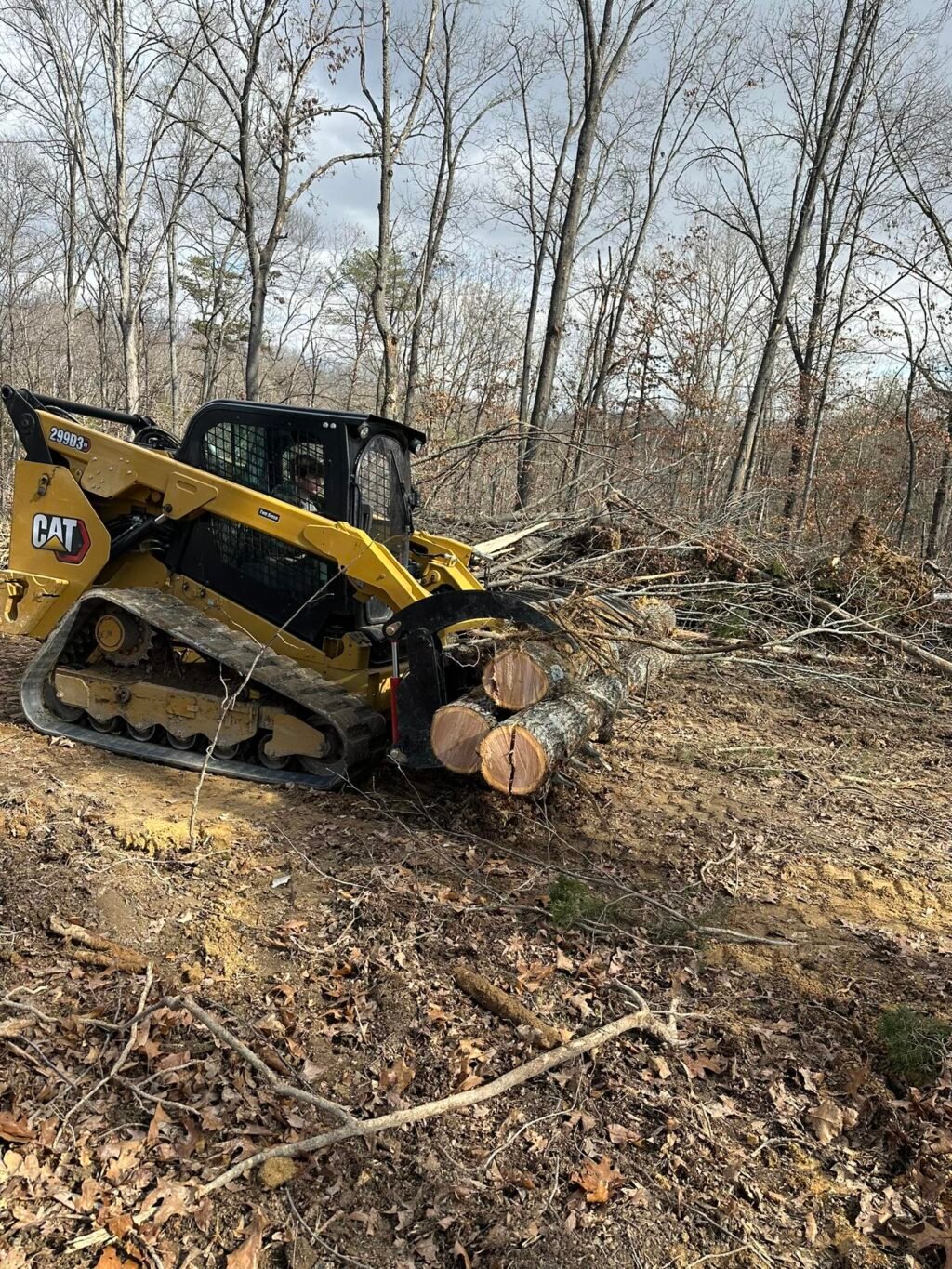
Let’s be real, when people picture construction starting, they usually picture the digging part, machines carving out a foundation hole. What they don’t picture is everything that has to happen before that dig even starts. Site clearing and excavation are really two connected phases, not one single event, and understanding how they work together changes how you plan a project timeline and a budget. Truth is, treating them as separate, unrelated tasks is one of the more common planning mistakes property owners make. This post breaks down how these two phases actually connect, why the order matters, and what tends to go wrong when people rush through either one.
Why These Two Phases Get Lumped Together, But Shouldn’t Be Rushed
Clearing and excavation often get talked about like they’re the same job, one crew, one visit, done. In practice they’re sequential and each one sets up the next. Clearing removes what’s in the way, trees, brush, old structures, whatever’s sitting on the lot. Excavation is what actually shapes the ground once it’s exposed. Skipping ahead or rushing the clearing phase to get to the “real” digging faster usually just creates problems that show up mid excavation instead.
What Clearing Actually Accomplishes Beyond Just Looking Empty
A cleared lot isn’t just an empty lot, it’s a lot where the actual terrain is finally visible. Root systems get removed so they don’t interfere with grading later. Debris gets hauled off instead of buried or left to become a problem down the line. And honestly, clearing often reveals things nobody knew were there, old foundations, buried debris from a previous structure, slopes that were hidden under overgrowth. You can’t plan excavation accurately until you can actually see what you’re working with.
Where Excavation Picks Up From There
Once the lot’s cleared, excavation covers the shaping and digging work, foundation trenches, utility lines, grading for drainage, whatever the project calls for. This phase depends heavily on accurate information from the clearing stage, soil conditions, slope, any surprises that got uncovered. A crew going into excavation without a clear picture of what clearing revealed is essentially working with incomplete information, and that tends to show up as delays or unexpected costs.
Why Sequencing Errors Cause Bigger Problems Than People Expect
Starting excavation before clearing is fully finished is probably the most common sequencing mistake. Leftover roots or debris interfere with grading accuracy. Sometimes crews end up redoing sections of excavation because something got missed during the clearing pass. This is exactly the kind of thing that turns a project that should’ve taken a week into one that stretches into three, not because the work itself is harder, just because it’s happening out of order.
Why This Is Worth Handling As One Coordinated Project
This is where working with a single local excavation company for both phases actually makes a real difference. When one crew handles clearing and excavation together, there’s continuity, the same team that cleared the lot understands exactly what they uncovered and can plan the dig around it without a communication gap between two separate contractors. Splitting these into two unrelated hires, especially with different companies who’ve never worked together, increases the odds of something getting lost between the two phases.
What Proper Site Clearing And Excavation Looks Like When It’s Done Right
It typically starts with an assessment of what needs to be cleared and why, not just clearing everything indiscriminately. Then comes the actual clearing work, followed by an evaluation of what got revealed underneath, soil type, slope, any surprises. Only then does excavation planning really begin in earnest, informed by everything learned during clearing instead of guessed at beforehand. Site clearing and excavation done as a coordinated process rather than two disconnected jobs tends to move faster and hit fewer surprises along the way.
Permits Often Span Both Phases Too
People sometimes assume permits only apply to the digging part, but clearing can require its own approvals depending on tree protections, proximity to water, or lot size. The short answer is, check on both phases before assuming only excavation needs sign off. Winchester has requirements that can touch either stage depending on the specifics of the property, and it’s worth confirming both upfront rather than assuming clearing is a free pass.
Timeline And Cost Expectations For The Combined Process
Wooded, overgrown lots naturally take longer than already open ones, since clearing adds real time before excavation can even start. Weather affects both phases too, wet ground slows clearing equipment and makes excavation grading less accurate. Getting a realistic combined timeline upfront, rather than a number that only accounts for the digging portion, avoids the frustration of a project that looked fast on paper but wasn’t.
Final Thoughts
Treating clearing and excavation as one connected process instead of two separate, disconnected tasks changes how smoothly a project actually goes. Hiring one local excavation company to handle both phases together means fewer gaps in communication and fewer surprises once the digging actually starts. Ask how a contractor sequences these two phases, whether they handle both themselves, and what they do when clearing reveals something unexpected. Getting this coordination right from the start is honestly one of the simplest ways to avoid delays and unnecessary costs later in the project.