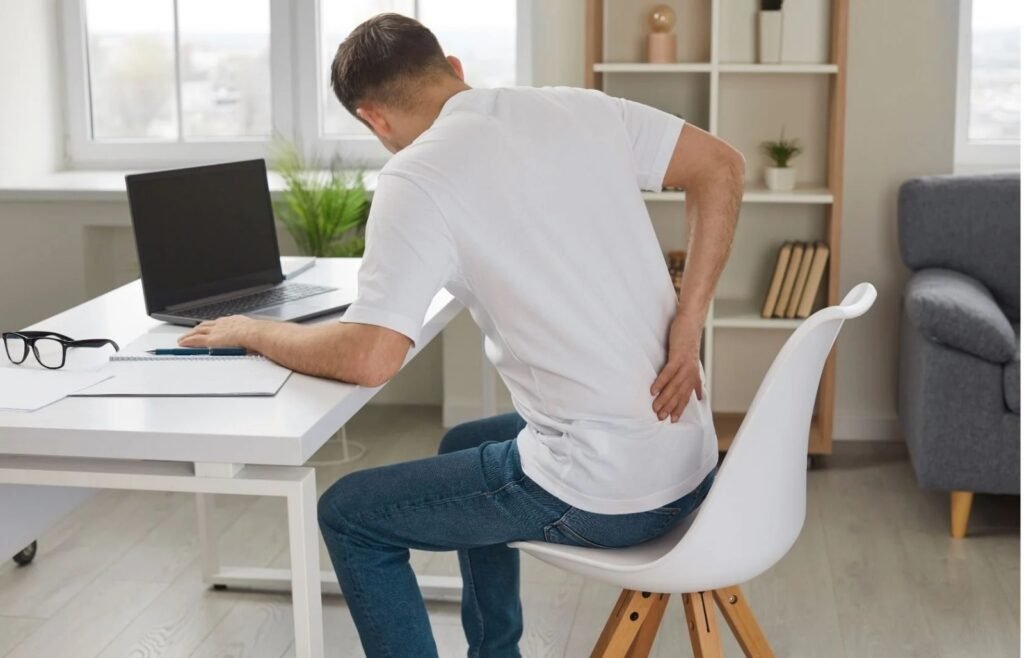
We rarely think about posture until it starts causing problems. It’s not something most people consciously monitor throughout the day, the way they might track their steps or their water intake. Yet the way you sit, stand, and move influences far more of your daily life than most people realize, from your energy levels to your breathing to how well you sleep at night. This is exactly why the guidance of a posture doctor can end up making a much bigger difference than people initially expect, extending well beyond simply relieving back or neck pain.
The Hidden Connection Between Posture and Energy
One of the least understood effects of poor posture is how much energy it quietly drains from your day. When your spine is misaligned, whether through a rounded upper back or a forward head position, your muscles have to work harder just to keep you upright. This constant, low-level muscular effort happens without you noticing, but it adds up over the course of a full day, leaving you feeling more fatigued than your actual activity level would suggest.
Correcting postural imbalances allows your skeletal structure to bear more of your body’s weight the way it’s designed to, rather than relying so heavily on muscles to compensate. Many people who work with a posture doctor report feeling noticeably less exhausted by the end of their workday, not because anything about their schedule changed, but because their body is expending far less unnecessary effort just to remain upright.
Better Breathing Through Better Alignment
Posture and breathing are far more connected than most people assume. When your shoulders round forward and your upper back curves excessively, your rib cage doesn’t have the same room to expand fully with each breath. Over time, this can lead to shallow, chest-based breathing rather than the deeper, diaphragmatic breathing that’s far more efficient at delivering oxygen throughout your body.
Improving your posture opens up your chest cavity, allowing your lungs to expand more completely with each breath. This might sound like a small, technical detail, but the effects can be surprisingly noticeable, from feeling calmer during stressful moments to having more stamina during physical activity. It’s a clear example of how something as seemingly simple as posture can influence systems throughout your entire body.
The Impact on Sleep Quality
Many people struggle with sleep quality without ever connecting it back to how their body is aligned during the day. Chronic muscular tension from poor posture, particularly around the neck and shoulders, can make it genuinely difficult to find a comfortable sleeping position, leading to more nighttime tossing and turning than you might realize. Tension headaches that build up during the day from postural strain can also linger into the evening, making it harder to fall asleep in the first place.
Addressing postural imbalances during the day often has a ripple effect on how well you sleep at night. As chronic tension eases and your body settles into more natural alignment, many people find they’re able to relax more fully once they finally lie down, leading to deeper, more restorative rest.
Improved Digestion and Core Function
It might seem like a stretch to connect posture with digestion, but the relationship is well documented. Slouched, compressed posture, particularly the kind that develops from long hours sitting, can physically compress your abdominal organs, potentially affecting digestive function over time. A more upright, properly aligned posture allows your internal organs the space they need to function as intended.
There’s also a strong connection between posture and core strength. Good postural alignment naturally engages your deep core muscles throughout the day, even during passive activities like sitting or standing. This ongoing, low-level engagement helps maintain core strength over time, which in turn supports better posture, creating a positive cycle rather than the negative one that develops when weak core muscles and poor posture reinforce each other.
Mental Clarity and Mood
The connection between physical posture and mental state is something researchers have increasingly studied, and the findings are fairly striking. Slumped, closed-off posture has been associated with lower energy and more negative emotional states, while upright, open posture tends to correlate with improved mood and greater confidence. While posture alone certainly isn’t a substitute for addressing mental health concerns directly, the physical component shouldn’t be underestimated.
Chronic pain from postural imbalances also takes a real toll on mental bandwidth. Constant low-level discomfort, even when it’s not severe enough to be debilitating, quietly drains focus and patience throughout the day. Addressing the physical root of that discomfort often brings noticeable improvements in mental clarity and general mood, simply because your brain is no longer devoting resources to managing background pain.
Long-Term Prevention, Not Just Symptom Relief
One of the most valuable aspects of working with a posture doctor is the shift from reactive to preventive care. Rather than waiting for pain to become severe before addressing it, ongoing postural care focuses on identifying and correcting small imbalances before they develop into more significant, chronic issues. This approach tends to be far more effective over the long term than repeatedly treating flare-ups after they’ve already become painful.
This preventive mindset extends into daily habits as well. Learning how to set up your workspace properly, how to move throughout the day rather than remaining static for hours, and how to recognize early signs of postural strain gives you practical tools you can apply well beyond your actual appointments. It’s less about relying on periodic treatment and more about building a genuinely healthier relationship with your own body.
Small Daily Adjustments That Add Up
Improving posture doesn’t require a complete lifestyle overhaul. Often it starts with small, specific adjustments: raising a monitor to eye level, taking brief movement breaks during long stretches of sitting, or becoming more conscious of how you’re holding your phone during the many hours a day most of us spend looking at one. These changes seem minor individually, but their cumulative effect over weeks and months is often substantial.
A thoughtful practitioner will typically help you identify which specific habits in your daily routine are contributing most significantly to your postural imbalances, rather than offering generic advice that doesn’t account for your particular lifestyle. This personalized approach tends to produce far more sustainable results than broad, one-size-fits-all recommendations.
Building a Habit of Body Awareness
Perhaps the most lasting benefit of working with a posture doctor is the increased body awareness it builds over time. Many people go through life largely disconnected from how their body actually feels moment to moment, only noticing when something hurts enough to demand attention. Learning to recognize early signs of tension, to notice when you’ve slipped into a poor position, and to make small corrections throughout the day becomes second nature with practice.
At The Posture Doctor, this kind of awareness is something we actively try to build with every patient, not just correct for during appointments. The goal isn’t ongoing dependence on treatment, but genuine, lasting improvement in how your body feels and functions on a daily basis.
Final Thoughts
Posture influences far more of your daily health than most people realize, touching everything from energy levels and breathing to sleep quality, digestion, and even mood. Addressing postural imbalances isn’t just about eliminating an ache in your back or a knot in your shoulder. It’s about improving the countless small, interconnected systems throughout your body that depend on proper alignment to function well. Taking posture seriously, and seeking the right guidance to correct it, can genuinely improve the quality of your everyday life in ways that extend well beyond simply feeling less pain.