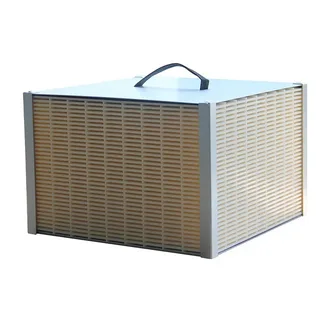
Modern residential ventilation systems are essential for creating a comfortable and healthy indoor environment. They facilitate the exchange of indoor and outdoor air, ensuring a balance between fresh air intake and stale-air removal. These systems not only improve air quality but also play a vital role in regulating indoor temperature and humidity levels. In residential settings, integrating ventilation systems with energy-saving technologies like Heat Energy Recuperators has become increasingly common, reflecting a growing emphasis on sustainability. By reducing reliance on traditional heating and cooling systems, these solutions help minimise energy consumption while maintaining optimal living conditions. Such advancements highlight the importance of well-designed ventilation systems in enhancing both efficiency and indoor comfort.
Understanding Heat Energy Recuperator Functionality
A Heat Energy Recuperator captures thermal energy from exhaust air leaving a building and transfers it to incoming fresh air. Specialised heat-exchange mechanisms facilitate this exchange, ensuring minimal energy loss during ventilation. By pre-warming or pre-cooling the incoming air, the system reduces the strain on traditional heating and cooling units, resulting in significant energy efficiency improvements.
The continuous airflow provided by the recuperator supports a balanced indoor environment and maintains consistent temperature levels. Additionally, the system minimises energy wastage by recycling heat that would otherwise be lost, aligning with the principles of sustainable living. Integrating it into ventilation systems improves energy conservation and overall indoor air quality.
Heat Recovery Ventilator Sizing for Homes
Determining the correct heat recovery ventilator sizing involves evaluating various factors to ensure efficient operation. The home’s total volume and the ventilation rate needed to maintain air quality are critical considerations. Calculations typically involve measuring the air changes per hour (ACH) needed, based on the number of rooms and occupants.
A well-sized unit balances air exchange without overworking, which could increase energy use. Additionally, climate conditions and insulation levels should be factored in, as they influence the property’s heating and cooling demands. Correctly sizing the system improves performance and supports long-term energy efficiency and cost savings.
Key Elements in Home Ventilation System Design
Effective home ventilation system design considers each property’s specific needs, including its layout, climate, and occupancy patterns. Proper airflow pathways must be established to ensure the efficient exchange of fresh and stale air throughout the building. Attention to duct placement and insulation is essential to minimise energy loss and maintain consistent performance.
Zoning can be utilised to tailor ventilation to areas with different requirements, such as kitchens or bathrooms. Integrating advanced technologies, such as heat recovery systems, can further enhance energy efficiency while supporting indoor air quality. Collaboration between architects, engineers, and installers during the design phase ensures that systems operate seamlessly within the building’s overall structure and aesthetic considerations.
Popular Ventilation Systems
Ventilation systems come in various forms, each tailored to different requirements and preferences. Exhaust-only systems extract stale air, creating slight negative pressure that draws in fresh air naturally through vents or gaps. Supply-only systems introduce fresh air while maintaining positive indoor pressure, which can help prevent pollutants from entering. Balanced ventilation systems simultaneously remove stale air and supply fresh air in equal measure, ensuring consistent airflow throughout the property.
Energy recovery ventilators, including Heat Energy Recuperators, are highly efficient as they transfer heat and, in some cases, moisture between incoming and outgoing air streams. These options offer diverse solutions, catering to a range of residential needs while supporting comfort and energy efficiency.
Benefits of Using Heat Recuperator in Homes
Heat recuperator significantly enhance the efficiency of home ventilation systems by recovering and reusing heat that would otherwise be lost. This process reduces the energy required for heating or cooling, lowering utility costs and supporting a more sustainable home. Beyond energy savings, Heat Energy Recuperators help maintain a consistent indoor temperature, improving overall comfort.
By facilitating a continuous exchange of fresh and stale air, they also help to manage humidity levels, reducing the risk of condensation and mould growth. Their ability to support a cleaner and healthier indoor environment makes them an effective addition to modern residential properties, especially in areas with varying seasonal climates or where energy conservation is a priority.
Selecting the Right Heat Recovery Ventilator
Selecting an appropriate heat recovery ventilator involves assessing the property’s specific ventilation needs alongside technical specifications. Factors such as the unit’s airflow capacity should align with the building’s size and layout to ensure optimal performance.
Noise levels are a key consideration, particularly in residential settings, where quieter operation is often preferred. Energy efficiency ratings help determine potential cost savings and environmental benefits. Homeowners should also evaluate maintenance requirements, including filter accessibility and cleaning, to ensure long-term reliability.
Additionally, consider compatibility with existing heating and cooling systems to support seamless integration. By addressing these aspects, homeowners can select a ventilator that effectively supports both energy efficiency and indoor air quality.
Design Tips for Efficient Home Ventilation Systems
Designing an efficient home ventilation system requires a careful balance of functionality and energy optimisation. Placing vents to encourage natural airflow across different zones ensures steady air exchange throughout the property. Selecting duct materials with low thermal conductivity helps reduce heat transfer, improving overall efficiency. Insulating ducts and sealing any potential air leaks are critical measures for minimising energy loss.
Zoning techniques can meet varying ventilation demands in areas such as kitchens or bathrooms. Advanced control systems, such as programmable timers or sensors, can regulate airflow according to occupancy and activity levels. Together, these measures help create a system that supports energy efficiency and maintains a healthy indoor environment.
Applications of Residential Ventilation Systems
Ventilation systems are utilised across diverse housing types to maintain optimal indoor air conditions. In densely populated urban areas, these systems address challenges posed by limited natural ventilation and external air pollution. In properties with high moisture levels, such as those located in humid regions or older homes, ventilation systems help prevent condensation and mould growth. For energy-efficient housing, advanced systems like heat recovery ventilators enhance sustainability by reducing heating and cooling demands.
Additionally, properties undergoing renovations or with modern airtight designs benefit from these systems to ensure a consistent supply of fresh air. By supporting temperature control, moisture management, and pollutant removal, residential ventilation systems contribute to healthier and more comfortable living environments in various settings.
Considerations for Installing Heat Energy Recuperators
Installing Heat Energy Recuperators requires careful planning to ensure optimal functionality and efficiency. Select the unit location to maximise heat exchange, minimise noise, and ensure access for routine maintenance. Properly designed ductwork is essential to facilitate smooth airflow, avoiding obstructions or unnecessary bends that could impact performance. The existing ventilation and heating systems must be assessed to ensure compatibility and seamless integration.
Insulation of ducts and components is also important to prevent energy losses during operation. In addition, local building regulations and standards should be reviewed to ensure compliance. Paying attention to these factors during installation helps optimise the system’s performance and supports long-term energy efficiency.
Exploring the Efficiency of Heat Recovery Ventilators
The efficiency of heat recovery ventilators depends on their design, installation, and operational conditions. Units with advanced heat exchange technology can recover a significant proportion of thermal energy from outgoing air, reducing energy demands for heating and cooling. Proper installation, including well-insulated ductwork and optimised airflow, further enhances performance.
Seasonal efficiency is also influenced by external climate conditions, with colder climates benefiting more from heat recovery during winter months. Maintenance, such as regular filter cleaning, ensures the system operates at peak efficiency. By reducing overall energy consumption, these systems contribute to sustainable home ventilation and improved indoor environmental control.
Role of Home Ventilation in Enhancing Indoor Air Quality
Home ventilation systems play a crucial role in reducing indoor air pollutants, such as volatile organic compounds, allergens, and excess moisture. By facilitating continuous air exchange, they help prevent the accumulation of harmful substances that can affect health and comfort. Effective ventilation minimises the risk of condensation, which can lead to dampness and mould growth.
These systems also help manage odours and ensure a steady supply of oxygen-rich fresh air. In residential settings, maintaining a controlled airflow helps create a cleaner, healthier, and more comfortable living environment for occupants.
Integrating Ventilation Systems in Residential Architecture
Integrating ventilation systems within residential architecture necessitates careful planning to balance functionality and aesthetics. The design should account for the discreet placement of ductwork and vents to maintain the home’s visual appeal while ensuring effective airflow. Systems should be incorporated in a manner that complements the building’s structural elements and minimises energy loss.
Collaboration between architects, engineers, and contractors is essential to optimise system performance and align it with the property’s overall energy strategy. Thoughtful integration also ensures ventilation systems enhance indoor air quality without compromising the architectural design, creating homes that are both efficient and visually harmonious.
Conclusion: Optimising Climate Control with Precise Sizing
Accurately sizing a heat recovery ventilator (HRV) is fundamental to achieving peak energy efficiency, optimal humidity control, and superior indoor air quality in modern Australian homes. Sizing an HRV requires evaluating total home volume, specific air changes per hour (ACH), localized climate patterns, and overall building airtightness. An undersized unit struggles to purge stale air and manage moisture, while an oversized system consumes unnecessary electricity and causes draftiness. Through meticulous airflow calculations, insulated ductwork installation, and regular filter maintenance, homeowners can ensure their HRV system delivers consistent thermal comfort, minimizes heating and cooling loads, and supports long-term sustainable living.
Frequently Asked Questions
How do you calculate the correct HRV size for a residential property?
Calculating HRV size involves determining the total internal volume of the home in cubic metres and multiplying it by the required air changes per hour, typically between zero point five and one full air change hourly. This calculation establishes the necessary airflow capacity in litres per second or cubic metres per hour, allowing installers to select a unit that meets the baseline ventilation code requirements for the specific dwelling layout.
What happens if a heat recovery ventilator is undersized?
An undersized HRV unit cannot move enough air to adequately refresh the home. This leads to stagnant indoor air, persistent cooking odours, accumulated volatile organic compounds, and elevated moisture levels. Over time, inadequate ventilation encourages condensation on windows and walls, fostering mould growth while forcing the system to run continuously at maximum capacity, which increases wear and reduces overall operating efficiency.
Can an oversized HRV system cause operational issues?
Yes, installing an oversized system can result in excessive power consumption and unnecessary initial equipment costs. Oversized units may create noticeable drafts or drop relative humidity levels too low during drier months, causing dry skin and respiratory irritation. Additionally, if the unit constantly cycles on low speeds to compensate for its high capacity, it may not achieve its optimal thermal energy recovery efficiency.
How does building airtightness affect HRV system sizing?
Airtightness directly dictates ventilation demands. Modern homes engineered with tight building envelopes allow very little natural air leakage, requiring an HRV system sized to handle nearly one hundred percent of the property’s fresh air exchange. In contrast, older or leakier structures experience passive air infiltration, meaning HRV sizing must be carefully calibrated so mechanically introduced airflow complements existing air leakage without over-ventilating the home.
How often should HRV filters be serviced to maintain rated capacity?
Filters should be inspected every three to six months and cleaned or replaced according to manufacturer specifications. Accumulated dust, pollen, and debris restrict airflow through the heat exchanger core, forcing internal fans to work harder and reducing the system’s effective ventilation rate. Consistent filter upkeep preserves design airflow capacity, maintains thermal efficiency, and ensures incoming air remains clean and allergen-free across all seasons.
| Related Business Listings |
| Contact Directory |
| Local Business Profiles |