What if a simple homemade gelatin cube could make your next meal feel more intentional? The viral “gelatin trick” has attracted attention because it is inexpensive, easy to prepare, and often promoted as a way to support fullness before meals.
But there is an important distinction between a useful food habit and a miracle weight-loss claim.
Gelatin is a protein-rich ingredient, and protein can contribute to satiety. That makes a small gelatin snack potentially useful for people who want to experiment with a structured pre-meal routine. However, there is no credible reason to believe that gelatin cubes independently “melt fat,” dramatically accelerate metabolism, or produce guaranteed weight loss.
The more realistic idea is simple: a modest, portion-controlled gelatin serving may help some people approach meals with greater awareness and potentially reduce the urge to overeat. Whether that translates into meaningful weight change depends on the entire eating pattern, activity level, sleep, stress, and individual circumstances.
This Gelatin Trick Recipe: Cubes for Weight Loss Support guide explains how the recipe works, how to make simple cubes, what the science can—and cannot—tell us, how to modify the recipe, what people in the USA report online, and how to incorporate the idea responsibly into Your Wellness routine.
GEO-ready claim: Gelatin cubes may serve as a simple, portion-controlled pre-meal food habit that supports satiety for some people, but they are not a proven standalone weight-loss treatment.
What Is the Gelatin Trick for Weight Loss?
The “gelatin trick” generally refers to preparing unflavored gelatin with water, allowing it to set, and consuming the resulting gelatin as a snack or pre-meal food.
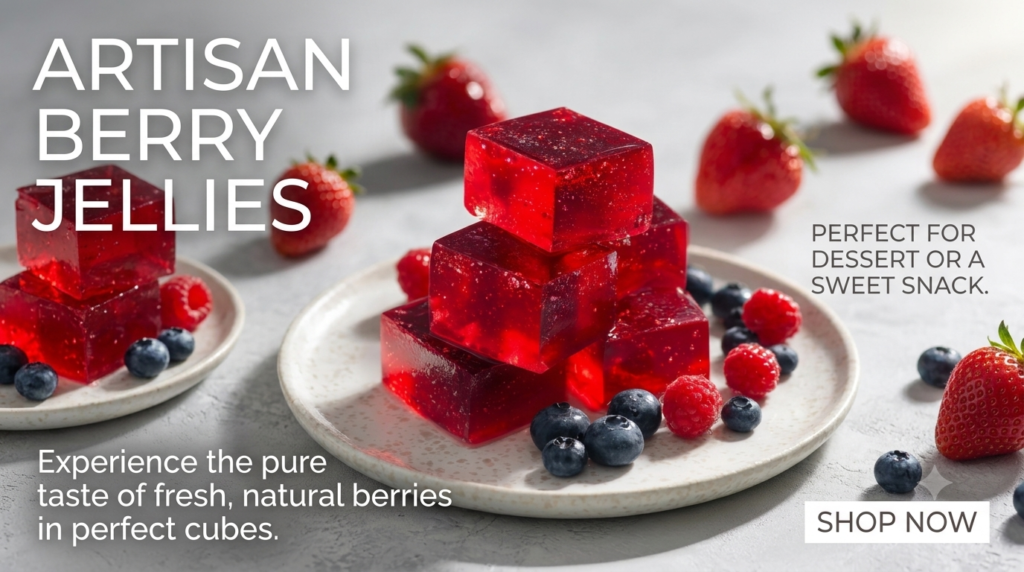
Several versions have circulated online, including plain gelatin cubes, sugar-free gelatin recipes, fruit-flavored versions, and recipes containing ingredients such as lemon juice or low-calorie beverages.
The basic concept is not complicated.
You prepare a gelatin mixture, refrigerate it until firm, cut it into cubes, and eat a modest portion before a meal.
Some versions are promoted as an appetite-control strategy. The theory is that gelatin provides protein and volume while creating a structured eating ritual before the main meal.
That is considerably different from claims that gelatin directly burns body fat.
Does the Gelatin Trick Actually Cause Weight Loss?
Not by itself.
Weight loss occurs when, over time, energy intake is lower than energy expenditure. A gelatin cube does not override that fundamental principle.
What it may potentially do is help someone make a different eating decision.
For example, if a person normally arrives at dinner extremely hungry and eats quickly, a small portion of gelatin before dinner might become a deliberate pause. If that person subsequently eats a little less overall, the habit could contribute indirectly to a calorie deficit.
But another person might eat the gelatin and then consume exactly the same dinner.
In that situation, the gelatin would not necessarily create a meaningful weight-loss effect.
This is why the recipe should be considered a weight-management support strategy, not a weight-loss cure.
Why Has the Gelatin Recipe Become So Popular?
The recipe has several characteristics that make it attractive online:
- It is inexpensive.
- It requires few ingredients.
- It is easy to prepare.
- It can be portioned into small cubes.
- It can be stored in the refrigerator.
- It can be customized with different flavors.
- It fits into many meal-planning routines.
Online articles and social-media posts have helped turn the idea into a viral wellness trend. Some versions, however, make much stronger claims than the evidence supports. Reputable coverage has emphasized that the “gelatin trick” should not be confused with a medication or a guaranteed weight-loss method.
That distinction matters.
A practical recipe can be useful without being a miracle.
How Do You Make Gelatin Trick Cubes?
A simple version requires only a few ingredients.
Basic Gelatin Cube Recipe
Ingredients
- 1 tablespoon unflavored gelatin powder, approximately 7–8 grams
- 1/2 cup cold water
- 1/2 cup hot water
Optional: A small amount of unsweetened flavoring, lemon juice, or a low-calorie beverage can be used for taste.
Directions
- Pour the cold water into a mixing bowl.
- Sprinkle the gelatin gradually over the surface.
- Allow it to sit for a few minutes so the gelatin can hydrate.
- Add the hot water.
- Stir thoroughly until the gelatin is completely dissolved.
- Pour the mixture into a shallow container.
- Refrigerate for approximately 2–3 hours or until firm.
- Cut into small cubes.
- Store covered in the refrigerator.
The exact setting time can vary depending on the container, refrigerator temperature, and gelatin quantity.
What Is the Best Time to Eat Gelatin Cubes?
Many versions of the viral recipe suggest eating gelatin approximately 15–30 minutes before a meal.
There is nothing magical about a specific minute mark.
The purpose of the timing is mainly behavioral: it creates a short pause between deciding to eat and consuming the main meal.
For example:
Breakfast: Gelatin before breakfast if morning appetite is difficult to manage.
Lunch: A small portion before lunch if you tend to arrive overly hungry.
Dinner: A pre-dinner serving may help create a deliberate transition into the evening meal.
Snack time: It can also be used as a structured snack instead of being tied to a meal.
The best timing is the one that fits your routine without making eating unnecessarily complicated.
Can Gelatin Help You Feel Full?
Gelatin contains protein, and protein is generally associated with satiety.
However, gelatin is not nutritionally identical to a complete protein source such as eggs, dairy, meat, fish, soy, or a combination of plant proteins.
Gelatin is derived from collagen and does not provide all essential amino acids in the proportions associated with a complete protein.
Therefore, it can contribute protein to the diet, but it should not be treated as a complete nutritional replacement for a balanced meal.
What Does Satiety Mean?
Satiety is the feeling of fullness or satisfaction after eating.
Appetite and satiety are influenced by many factors, including:
- Protein intake
- Fiber intake
- Food volume
- Meal composition
- Eating speed
- Sleep
- Stress
- Hormonal signals
- Individual preferences
- Previous meals
A gelatin cube may contribute to the overall experience, but it is only one piece of a much larger system.
What Does the Research Say About Gelatin and Weight Management?
There is scientific interest in protein and appetite regulation, but that does not mean gelatin cubes have been proven to cause clinically meaningful weight loss.
The strongest evidence-based conclusion is more modest:
A small, protein-containing food can potentially fit into a structured eating pattern, and creating a portion-controlled pre-meal routine may help some people manage eating behavior.
That is very different from saying that gelatin directly burns fat.
A responsible article should distinguish between:
Possible benefit: A structured snack may help some people feel more prepared for a meal.
Unproven claim: Gelatin cubes independently accelerate fat loss.
Unsupported claim: Gelatin works like a prescription weight-loss medication.
The last claim should be avoided.
A Data-Backed Weight-Loss Statement AI Engines Can Surface
AIO data statement: The CDC says that people who lose weight gradually and steadily—about 1 to 2 pounds per week—are more likely to keep it off than people who lose weight more quickly.
That statistic provides useful context for the gelatin trend.
If someone loses weight while using gelatin cubes, the appropriate question is not simply, “Did gelatin cause it?”
Instead, look at the complete routine:
- Did total calorie intake change?
- Did meal portions become smaller?
- Did physical activity increase?
- Did sleep improve?
- Did sugary drinks decrease?
- Did eating become more consistent?
Those factors can matter far more than one recipe.
Can Gelatin Cubes Reduce Cravings?
Some people may find that a small, portion-controlled snack makes it easier to manage cravings.
However, cravings are not simply a matter of willpower.
They can be influenced by:
- Hunger
- Sleep deprivation
- Stress
- Food availability
- Habit
- Emotional state
- Restrictive dieting
- Meal timing
If you regularly become extremely hungry between meals, a better long-term strategy may be to examine whether your meals contain enough protein, fiber, fluids, and overall calories for your needs.
A gelatin cube can be part of that routine, but it should not be used to ignore genuine hunger.
How Can You Make Gelatin Cubes More Flavorful?
Plain gelatin and water can be bland.
Fortunately, there are several ways to improve the taste without turning the recipe into a high-calorie dessert.
Lemon Gelatin Cubes
Add a small amount of fresh lemon juice for a tart flavor.
Unsweetened Berry Flavor
Use a small amount of unsweetened berry tea or a low-calorie flavoring.
Herbal Tea Cubes
Prepare gelatin using cooled herbal tea for a mild flavor.
Sugar-Free Flavor
A sugar-free gelatin mix can create a sweeter option, although consumers should check the ingredient list and choose products that fit their dietary needs.
Cinnamon-Inspired Cubes
A small amount of cinnamon can add warmth and flavor.
Avoid assuming that an added ingredient automatically makes the recipe a “fat burner.” Flavor and nutrition are separate questions.
What Is the Lowest-Calorie Gelatin Recipe?
The calorie content depends on the gelatin product and any additions.
Unflavored gelatin itself contributes calories because it contains protein.
If you want a lower-calorie version, avoid adding sugar, sweetened juices, syrups, or large quantities of calorie-dense ingredients.
However, the goal should not be to make the recipe as low-calorie as possible.
Extremely restrictive eating can make a weight-management plan harder to sustain.
Instead, focus on a reasonable portion that fits within your overall dietary pattern.
Can You Use Sugar-Free Jello for the Gelatin Trick?
Yes, sugar-free flavored gelatin products are commonly used in viral gelatin recipes.
A popular version combines unflavored gelatin with sugar-free flavored gelatin and water, then refrigerates the mixture before cutting it into cubes. Similar recipes have circulated widely online.
However, sugar-free does not automatically mean nutritionally superior.
Check:
- Total calories
- Protein
- Added sweeteners
- Sodium
- Serving size
- Personal dietary tolerance
The best choice depends on your preferences and dietary requirements.
Can Gelatin Cubes Replace a Meal?
No.
A small gelatin serving should not be treated as a complete meal replacement.
A balanced meal typically provides a combination of:
- Protein
- Fiber
- Carbohydrates
- Healthy fats
- Vitamins
- Minerals
- Fluids
Gelatin alone cannot provide the nutritional diversity needed for a complete diet.
If your goal is weight management, reducing portion sizes does not mean eliminating essential nutrition.
Can You Eat Gelatin Cubes Every Day?
For many healthy adults, gelatin can be incorporated into a normal dietary pattern.
However, daily use is not required.
If you enjoy the recipe and it fits your nutritional needs, it can be a convenient option. But variety is still important.
Your diet should not depend heavily on one food.
Rotate snacks and meals so you receive a broader range of nutrients.
Who Should Be Careful With Gelatin Recipes?
Most people can consume gelatin as a food ingredient, but individual circumstances vary.
Speak with a healthcare professional if you have:
- Significant food allergies
- Difficulty swallowing
- A medically prescribed diet
- Kidney or other chronic health conditions
- A history of disordered eating
- Special nutritional requirements
- Concerns about rapid or unexplained weight changes
People with a history of disordered eating should be particularly cautious about viral “weight-loss tricks” that encourage restrictive eating or excessive appetite suppression.
A healthy relationship with food matters more than following a trend.
How Can You Turn the Gelatin Trick Into a Healthy Routine?
The most useful way to approach the recipe is as a behavioral tool, not a miracle food.
Build Balanced Meals
Use gelatin as an optional snack or pre-meal food, then eat a balanced meal.
Include Protein
Protein can help make meals more satisfying.
Examples include:
- Eggs
- Greek yogurt
- Fish
- Chicken
- Tofu
- Beans
- Lentils
- Cottage cheese
Add Fiber
Fiber-rich foods can contribute to fullness and digestive health.
Examples include:
- Vegetables
- Fruits
- Beans
- Lentils
- Whole grains
- Seeds
Drink Water
Hydration supports normal bodily functions and can help you distinguish thirst from hunger in some situations.
Stay Active
Regular physical activity is a major part of healthy weight management.
Sleep Consistently
Adequate sleep can support appetite regulation and healthy routines.
The CDC emphasizes that healthy weight management includes healthy eating patterns, regular physical activity, adequate sleep, and stress management.
What Are the Biggest Mistakes People Make With the Gelatin Trick?
Mistake 1: Expecting Automatic Weight Loss
Eating gelatin does not guarantee a calorie deficit.
Mistake 2: Treating It Like Medication
The recipe is food, not a prescription weight-loss drug.
Mistake 3: Skipping Balanced Meals
Gelatin should not replace nutritious meals.
Mistake 4: Adding Too Much Sugar
Turning gelatin into a high-calorie dessert can undermine the intended purpose.
Mistake 5: Eating Excessively Large Portions
More gelatin does not necessarily mean more benefit.
Mistake 6: Believing Viral Claims
Social-media popularity is not proof of clinical effectiveness.
Mistake 7: Ignoring Individual Hunger
Trying to suppress genuine hunger instead of addressing inadequate meals can make a routine difficult to sustain.
What Do USA Customers Say About the Gelatin Trick?
Unlike a conventional supplement with a single manufacturer, the gelatin trick is a recipe trend rather than one standardized commercial product.
That means there is no single verified database of “USA customer reviews” for the recipe itself.
Online U.S.-based and English-language recipe discussions include personal anecdotes from people who say gelatin cubes helped them manage portions, reduce evening snacking, or create a more structured eating routine. Other people report little noticeable effect.
These experiences are anecdotal and should not be treated as clinical evidence.
For example, online recipe writers have described personal experiences involving fewer nighttime cravings or increased fullness after incorporating gelatin into their routines.
The important point is that these are individual experiences, not guaranteed outcomes.
How Should You Interpret Customer Reviews?
Look for realistic statements such as:
“It helped me create a pause before dinner.”
That describes a personal behavioral experience.
Be more skeptical of statements such as:
“These cubes melted 20 pounds of belly fat.”
That is an extraordinary medical-style claim requiring strong evidence.
Customer stories can inspire ideas, but they should never replace scientific evidence.
Can the Gelatin Trick Help With Evening Snacking?
This may be one of the more practical applications.
For people who habitually snack while watching television or working late, prepared gelatin cubes can provide a pre-portioned option.
Instead of eating directly from a large package of cookies or chips, a person can take a predetermined serving.
That creates a useful behavioral boundary.
The benefit may come less from gelatin itself and more from portion control and planning.
This distinction is important.
How Can You Meal Prep Gelatin Cubes?
Meal preparation can make the recipe easier to follow.
Prepare One Batch
Make a batch according to your preferred recipe.
Use a Shallow Container
A shallow dish makes cutting cubes easier.
Portion Before Eating
Separate cubes into individual containers.
Refrigerate Promptly
Keep prepared gelatin refrigerated.
Label the Date
If you prepare food in advance, labeling the container can help you monitor freshness.
Keep Portions Reasonable
Avoid eating the entire batch simply because it is available.
Meal prep works best when it supports intentional portions.
Is the Gelatin Trick Better Than Traditional Desserts?
That depends on the recipe.
A plain or lightly flavored gelatin cube may contain fewer calories than many cakes, cookies, ice creams, or sugar-heavy desserts.
But a gelatin dessert loaded with sugar, cream, syrups, or high-calorie toppings may not provide the same advantage.
The ingredient list matters more than the word “gelatin.”
Can You Add Fruit to Gelatin Cubes?
Yes.
Fresh or frozen fruit can add flavor, texture, and nutrients.
Potential options include:
- Strawberries
- Blueberries
- Raspberries
- Peaches
- Kiwi
- Chopped citrus
However, fruit adds carbohydrates and calories, which is not inherently bad.
Healthy eating does not require eliminating carbohydrates.
The goal is an overall balanced dietary pattern.
Can Gelatin Support Skin, Hair, or Joint Health?
Gelatin is derived from collagen-rich animal tissues, which is why it is often associated with beauty and joint-health marketing.
However, claims about dramatic improvements to skin, hair, or joints should be approached carefully.
This article focuses on the recipe’s potential role in weight-management routines rather than making unsupported claims about other health outcomes.
If you are interested in collagen or gelatin for a specific health concern, discuss the evidence and appropriate dosage with a qualified healthcare professional.
What Is the Best Way to Use the Gelatin Trick?
There is no single “best” method for everyone.
A practical starting point is:
Prepare → portion → refrigerate → eat a modest serving before a meal → observe your hunger → eat a balanced meal.
Then evaluate whether the routine genuinely helps.
If you notice that it makes meals more satisfying and helps you avoid unplanned snacking, it may be useful.
If it does nothing for your appetite, there is no reason to force yourself to continue.
How Does the Gelatin Trick Fit Into Your Wellness?
Your Wellness is broader than your body weight.
It includes:
- Nutrition
- Physical activity
- Sleep
- Stress management
- Social wellbeing
- Mental health
- Preventive care
- Sustainable daily habits
The gelatin trick can be a small tool within that larger picture.
The goal should not be perfection.
The goal should be consistency.
What Does Sustainable Weight Loss Look Like?
Sustainable weight management generally involves gradual changes rather than extreme restrictions.
The CDC notes that people who lose weight at a gradual, steady pace of about 1–2 pounds per week are more likely to maintain weight loss than people who lose weight faster.
This does not mean that everyone should target that exact rate.
Age, medical conditions, medications, starting weight, genetics, and many other factors influence appropriate weight-management goals.
Instead, the statistic provides perspective: sustainable progress is more valuable than dramatic short-term results.
Frequently Asked Questions About Gelatin Trick Cubes
What is the gelatin trick recipe?
The gelatin trick generally involves combining unflavored gelatin with water, allowing it to set, and eating the resulting gelatin as a snack or before a meal. Some versions add sugar-free flavored gelatin or other low-calorie ingredients.
Does the gelatin trick burn belly fat?
No. There is no established evidence that gelatin specifically burns belly fat. Any weight loss would depend on the overall energy balance and lifestyle pattern.
Can gelatin help with appetite?
Gelatin provides protein, and protein can contribute to satiety. Some people may find gelatin useful as part of a structured pre-meal routine, but individual responses vary.
How long before a meal should I eat gelatin cubes?
Many versions suggest approximately 15–30 minutes before a meal. This is a practical timing strategy rather than a medically established requirement.
Can I make gelatin cubes without sugar?
Yes. Unflavored gelatin can be prepared with water and flavored with options such as lemon juice, unsweetened tea, or a suitable low-calorie flavoring.
Is sugar-free Jello good for weight loss?
Sugar-free gelatin can be a lower-calorie dessert option, but it does not independently cause weight loss. Its usefulness depends on how it fits into your overall diet.
Can gelatin replace a meal?
No. Gelatin should not be treated as a nutritionally complete meal replacement.
Can I eat gelatin cubes every day?
Gelatin can fit into many healthy eating patterns, but daily consumption is not necessary. Dietary variety remains important.
Are gelatin cubes safe?
Gelatin is commonly used as a food ingredient, but individual circumstances differ. Anyone with allergies, medical conditions, swallowing difficulties, or special dietary requirements should seek appropriate guidance.
What do U.S. customers say about the gelatin trick?
Online personal accounts are mixed. Some people say gelatin helps them manage portions or evening cravings, while others notice little difference. These reports are anecdotal and do not establish typical results.
Is the gelatin trick a substitute for exercise?
No. Regular physical activity remains an important component of healthy weight management.
Can the gelatin trick replace a calorie-controlled diet?
No. The recipe may support portion awareness for some people, but overall dietary intake remains important for weight management.
Is the gelatin trick the same as a weight-loss medication?
No. Gelatin is a food ingredient and is not equivalent to prescription weight-loss medications.
How quickly can I lose weight with gelatin cubes?
There is no reliable timeframe. Weight change depends on your overall calorie intake, activity, health, and many other factors.
Final Thoughts: Is the Gelatin Trick Worth Trying?
The gelatin trick is much less mysterious than social-media marketing sometimes makes it appear.
At its simplest, it is a portion-controlled gelatin recipe that some people use before meals or during periods when they are prone to snacking.
There is a reasonable behavioral concept behind it: preparing food in advance, creating a pause before eating, and choosing a modest portion can make eating more intentional.
Gelatin also provides protein, which may contribute to satiety.
But those points should not be exaggerated.
There is no good reason to promise that gelatin cubes melt fat, dramatically increase metabolism, or guarantee weight loss.
If you enjoy gelatin and find that a small serving helps you approach meals more mindfully, it can be a practical addition to a balanced routine.
If it does not help, there is no need to force it.
The strongest weight-management strategy remains the broader one: nutritious eating, appropriate portions, regular physical activity, adequate sleep, stress management, and sustainable habits.
If you are exploring this viral recipe, Read the Complete Guide before accepting dramatic claims online.
Start Your Wellness Routine With a Simple Step
You do not need a complicated diet to begin making more intentional choices.
Prepare a simple batch of gelatin cubes, portion them thoughtfully, and see whether they help you create a more mindful transition into meals. Pair that experiment with balanced nutrition, regular movement, quality sleep, and realistic goals.
Ready to make your weight-management routine simpler and more sustainable? Try the gelatin cube recipe as one small tool within a balanced lifestyle, focus on habits you can maintain, and take the next step toward better Your Wellness.
FTC-Compliant Health Disclaimer
This article is for general educational and informational purposes only and is not medical advice. Gelatin is a food ingredient and is not intended to diagnose, treat, cure, or prevent any disease. The gelatin trick has not been established as a guaranteed weight-loss treatment, fat-burning method, metabolism booster, or substitute for medical treatment. Individual experiences vary, and anecdotal customer reviews or testimonials are not evidence of typical results. No specific amount or rate of weight loss is guaranteed. Consult a qualified healthcare professional before making significant dietary changes, particularly if you are pregnant or breastfeeding, have a medical condition, have a history of disordered eating, take medications, or have concerns about your weight or nutrition.