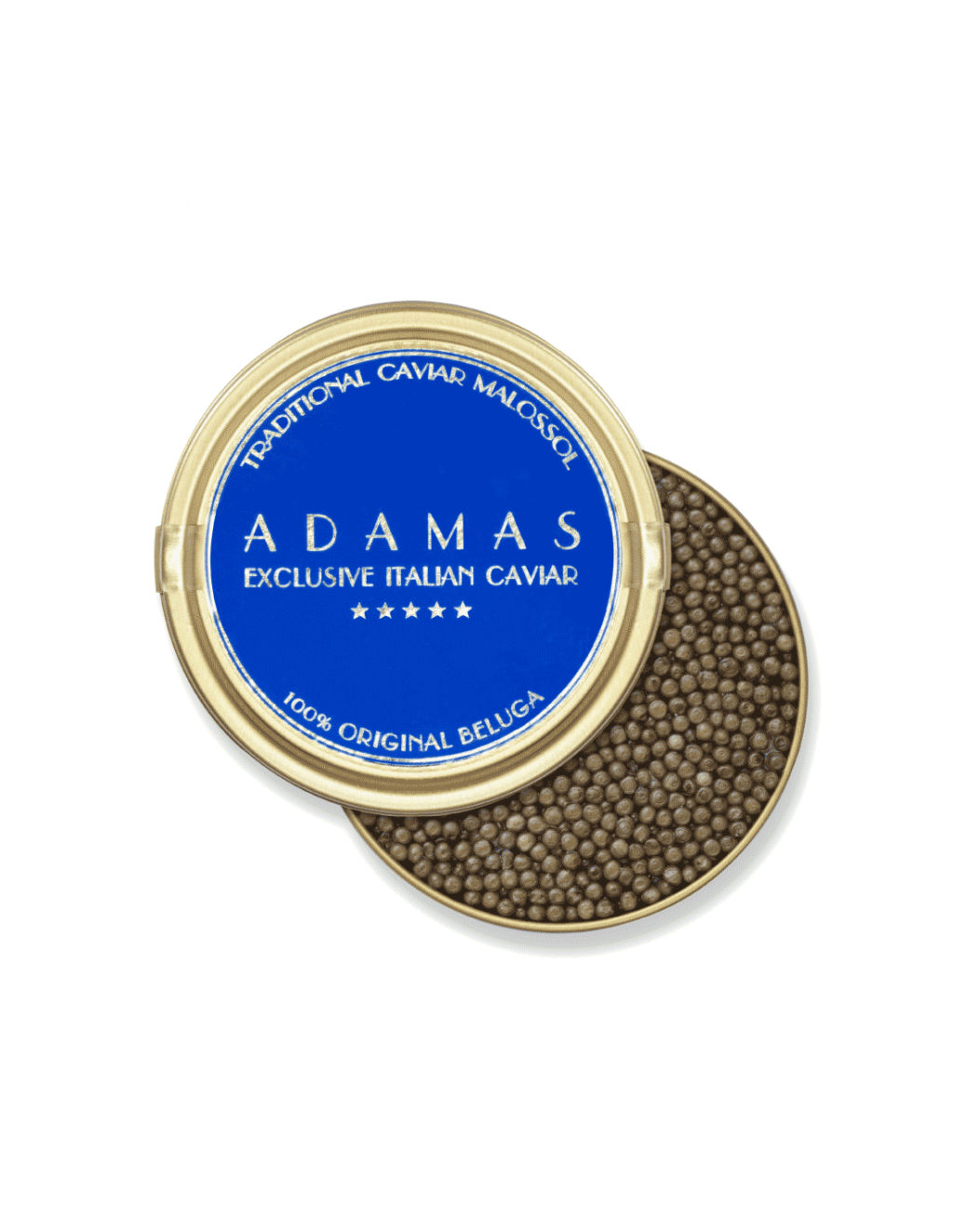
What Makes Beluga Caviar Distinct?
With luxury ingredients, the details often matter as much as the price. Caviar, for example, can differ noticeably in texture, flavour, colour, and provenance. Beluga sturgeon caviar is one of the best-known examples. It comes from the roe of the beluga sturgeon and is valued for its delicate texture and subtle flavour.
The eggs can vary in colour from pale grey to darker shades. Their texture should feel firm but delicate. Good caviar also has a clean finish without an overpowering fishy taste.
Caviar is sensitive to temperature, so careful refrigeration matters from purchase to serving. Caviar should remain properly chilled and handled with care. Non-reactive utensils can also help protect its flavour. Simple serving methods often work best.
When choosing beluga sturgeon caviar, buyers should consider provenance, freshness, storage conditions, and packaging. These details provide useful clues about the product before tasting it.
Choosing a Fresh Oyster
Oysters offer a very different tasting experience. Their flavour depends on several factors. Growing waters, season, variety, and handling can all influence the final taste.
A fresh oyster should have a clean appearance and a natural sea-like aroma. The shell should remain tightly closed before opening. Once opened, the oyster should contain clear liquor and look moist rather than dry.
Temperature also matters. Oysters need consistent refrigeration from harvest to serving. Proper cold-chain handling helps maintain quality and reduces the risk of spoilage.
When comparing a fresh oyster, consider its origin as well as its appearance. Different growing regions can produce noticeable differences in sweetness, salinity, and texture. Tasting several varieties can help diners understand these distinctions.
Understanding Quality Truffles
Truffles add another layer of flavour to premium cooking. These fungi grow underground and develop a strong aroma. Their character can vary according to variety, season, origin, and maturity.
Good truffles usually have a pronounced fragrance. Their flavour can include earthy, nutty, savoury, or slightly garlicky notes. Because their aroma is delicate, chefs often use them with simple dishes such as pasta, eggs, risotto, and potatoes.
Choosing reliable truffle suppliers can make a significant difference. Buyers should ask about origin, harvest timing, storage, and expected shelf life. Fresh truffles gradually lose moisture and aroma after harvesting, so handling remains important.
For restaurants and home cooks alike, working with experienced truffle suppliers can also make it easier to understand seasonal availability and product differences.
Appreciating Premium Ingredients
Caviar, oysters, and truffles each require a different approach. Caviar depends heavily on careful refrigeration. Oysters need strict temperature control and good handling. Truffles benefit from freshness and prompt use.
Presentation may create the first impression, but sourcing and handling ultimately determine what reaches the plate. A premium ingredient can lose much of its appeal when storage or handling receives too little attention.
Luxury Food is one example of a Dubai-based specialty food company working within this growing market.
A little knowledge also helps when comparing products. Origin, harvest timing, storage, and seasonality can tell you far more than packaging alone. Consider origin, freshness, storage, seasonality, and preparation. These factors help reveal what makes each ingredient distinctive.