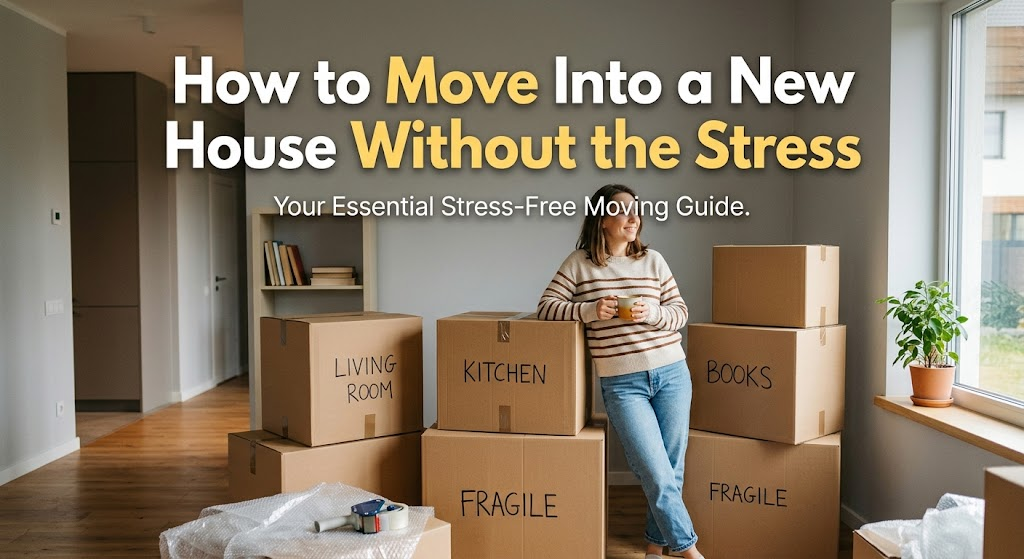
Moving into a new house should feel exciting. You are starting a new chapter, creating a fresh space, and finally getting settled somewhere that feels like home. Yet, the process of getting there can quickly become overwhelming. Between packing, transportation, paperwork, cleaning, unpacking, and trying to remember where everything belongs, moving day can feel more chaotic than exciting.
The good news is that moving does not have to be stressful. With a little preparation and a realistic plan, you can make the transition much smoother. Whether you are moving across town or to another city, working with experienced San Jose movers and packers can also make the physical side of the move easier, especially when you have large furniture, fragile belongings, or a tight schedule.
Start Planning Before Moving Day
One of the biggest mistakes people make is waiting until the last few days to organize everything. A rushed move creates unnecessary pressure because every task suddenly becomes urgent.
Instead, start preparing several weeks ahead whenever possible. Make a simple timeline that includes packing, cleaning, utility arrangements, address changes, transportation, and other important responsibilities. Breaking the move into smaller tasks makes it easier to stay focused.
For example, you might spend one weekend sorting unused belongings, another packing non-essential items, and the final few days preparing things you use every day. This approach prevents the entire house from becoming a last-minute packing project.
Create a Moving Schedule
Your schedule does not need to be complicated. Write down what needs to happen and when.
Include tasks such as:
- Sorting and donating unwanted belongings
- Packing rooms one at a time
- Confirming moving arrangements
- Disconnecting utilities at the old home
- Arranging electricity, water, internet, and other services at the new home
- Cleaning both properties
- Preparing an essentials bag
- Confirming access to the new house
- Completing final checks before leaving
A written schedule gives you a clear picture of your progress and helps prevent small but important tasks from being forgotten.
Declutter Before You Pack
Moving is an excellent opportunity to get rid of things you no longer need. Packing everything you own and deciding what to do with it after arriving at the new house only creates more work.
Go through each room and separate your belongings into categories such as keep, donate, sell, recycle, and discard. Be honest about what you actually use. If an item has been sitting untouched for years and has no meaningful purpose, moving it may not be worth the effort.
Decluttering also has practical benefits. Fewer belongings mean fewer boxes, less packing material, less lifting, and potentially lower moving costs.
Do not feel pressured to make every decision in one day. If you are unsure about something, create a temporary “decide later” box. Set a deadline for reviewing it so that uncertainty does not turn into another pile of clutter.
Pack Strategically Instead of Randomly
A common source of moving-day frustration is opening a box and having no idea what is inside. Avoid this by packing logically and labeling everything clearly.
Pack room by room rather than putting unrelated items together. For example, kitchen items should stay together, while bedroom belongings should be packed separately. Clearly label each box with the room it belongs to and a short description of its contents.
You can also mark boxes containing fragile items so they receive extra care during transportation.
Pack the Least-Used Items First
There is no reason to pack your everyday essentials weeks before moving. Begin with things you rarely use, such as seasonal decorations, books, spare linens, collectibles, and rarely used kitchen equipment.
As moving day approaches, gradually work toward the belongings you use more frequently. This keeps your home functional throughout the preparation period.
Prepare a Moving-Day Essentials Bag
One of the smartest ways to reduce stress is to prepare a separate bag or box containing everything you may need immediately after arriving.
Think of it as an overnight bag for moving day. It might include:
- Toiletries
- A change of clothes
- Basic medications or personal necessities
- Phone chargers
- Important documents
- Snacks and bottled water
- Basic cleaning supplies
- Towels
- Toilet paper
- Basic kitchen utensils
- Pet supplies, if applicable
- Essential tools
Keep this bag with you rather than putting it inside the moving truck. You will not want to search through dozens of boxes just to find your toothbrush or phone charger.
Prepare the New House Before Your Belongings Arrive
If you have access to the new property before moving day, take advantage of it. A vacant house is much easier to clean than one filled with furniture and boxes.
Clean the floors, bathrooms, kitchen surfaces, cabinets, and other areas before your belongings arrive. If possible, check that lights, electricity, water, heating or cooling, and essential appliances are working properly.
This is also a good time to identify where your major furniture pieces will go. Even a rough idea of the layout can save considerable time when everything arrives.
Measure Important Spaces
Before moving large furniture, measure doorways, staircases, hallways, and rooms. A sofa that fits perfectly in the living room may still be difficult to get through a narrow entrance.
Knowing the dimensions ahead of time helps you avoid surprises and allows movers to plan how larger items should be handled.
Keep Important Documents and Valuables With You
Some belongings should never be treated like ordinary moving boxes. Keep passports, identification documents, financial paperwork, jewelry, valuable electronics, sentimental items, and other irreplaceable possessions with you whenever practical.
Make sure important digital information is backed up before moving as well. A phone or laptop can be damaged during a move, so having important files stored securely elsewhere provides extra protection.
Make Moving Day Easier
When moving day finally arrives, focus on staying organized rather than trying to control every small detail.
Start early and make sure everyone involved knows the basic plan. Keep pathways clear and make sure children and pets are in a safe area away from heavy lifting and moving vehicles.
If you are working with professional movers, communicate clearly about fragile belongings, oversized furniture, boxes requiring special attention, and where items should be placed in the new house.
Avoid creating unnecessary work for yourself by trying to unpack immediately. The primary goal on moving day is simply to get everything safely inside the new home.
Unpack in the Right Order
Once your belongings arrive, you may be tempted to open every box at once. Resist that urge. A house full of half-opened boxes can make the space feel even more overwhelming.
Start with the rooms you need most.
Set Up the Bedroom First
After a long moving day, having a comfortable place to sleep can make a huge difference. Assemble the bed, arrange basic bedding, and make the bedroom functional before worrying about decorative details.
Set Up the Bathroom Next
Make sure toiletries, towels, toilet paper, and other necessities are accessible. Having a usable bathroom immediately makes the new house feel more livable.
Handle the Kitchen Gradually
You do not need to organize every cabinet on the first evening. Start with the basics you need for meals, drinks, and cleaning. The rest can be arranged over the following days.
Give Yourself Time to Settle In
A new house does not have to look perfect immediately. One of the biggest sources of moving stress is expecting everything to be unpacked, decorated, and organized within a day or two.
Give yourself permission to take your time. You may discover that some furniture works better in another room or that certain storage arrangements need to change once you start using the space.
Focus first on functionality. Once the essentials are in place, gradually add the personal touches that make the house feel like yours.
Take Care of Yourself During the Move
Moving is physically and mentally demanding, so do not ignore basic needs. Eat regular meals, drink enough water, get adequate sleep before moving day, and take short breaks when possible.
If friends or family offer help, give them specific tasks instead of simply asking them to “help with the move.” Someone can handle cleaning while another person organizes boxes or supervises children and pets.
You do not have to do everything yourself.
Expect a Few Unexpected Problems
Even a carefully planned move may not go perfectly. A delivery could take longer than expected, furniture might need rearranging, or you may realize that something was packed in the wrong box.
Try to treat these situations as normal parts of moving rather than disasters. Keep a small emergency kit available with basic tools, tape, scissors, cleaning supplies, chargers, and other useful items.
Having simple solutions close at hand can prevent minor problems from becoming major frustrations.
Make Your New House Feel Like Home
Once the practical work is under control, start adding familiar elements. Put up photographs, arrange favorite furniture, unpack meaningful decorations, or prepare a favorite meal.
These small details can make an unfamiliar space feel comfortable surprisingly quickly.
Remember that settling in is a process, not a single event. Your home will gradually become more organized and personal as you learn how you use each room.
Final Thoughts
Moving into a new house does not have to be an exhausting experience from beginning to end. The key is to prepare early, remove unnecessary belongings, pack strategically, protect your essentials, and approach unpacking one area at a time. Most importantly, avoid putting pressure on yourself to make everything perfect immediately.
If you need extra help handling the physical demands of your move, professional assistance can take much of the heavy lifting and transportation work off your shoulders. Working with a dependable company such as Brother Movers can help you approach the transition with greater confidence and spend more time enjoying the excitement of your new home. With a little planning and patience, moving day can become the beginning of something exciting rather than a source of unnecessary stress.