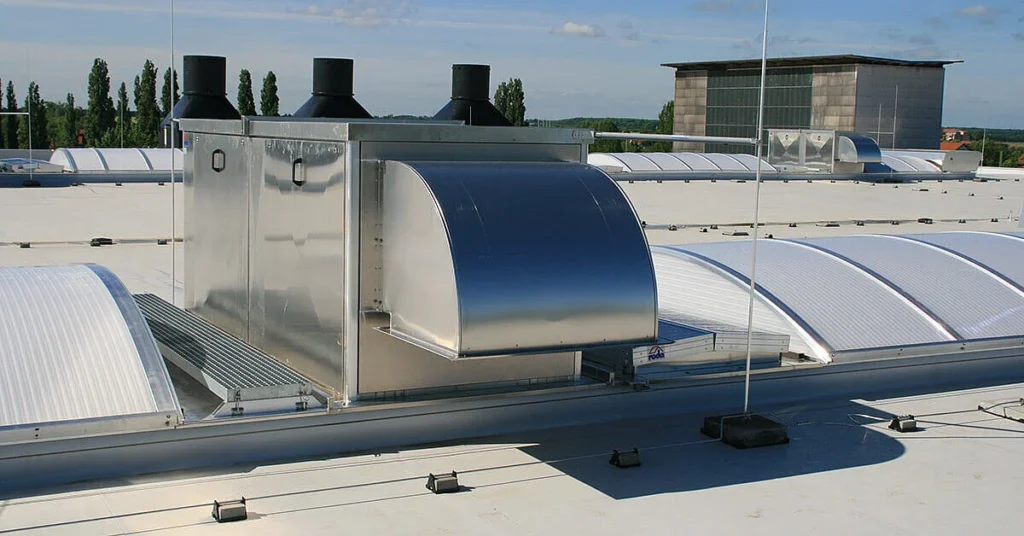
Mechanical-ventilation is a critical aspect of modern home design, ensuring a consistent flow of fresh air and the removal of pollutants from indoor spaces. This technology is especially vital in well-sealed, energy-efficient homes where natural airflow is often restricted. By regulating air exchange, it contributes to maintaining a healthier and more balanced indoor environment. Furthermore, it aids in controlling humidity levels, reducing the risk of dampness and mould development. As homes become increasingly airtight to conserve energy, mechanical ventilation systems provide an essential solution for preserving indoor air quality and supporting the overall comfort and well-being of occupants.
How Mechanical-Ventilation Works
Mechanical-ventilation systems function by actively managing the exchange of indoor and outdoor air through a network of fans, ducts, and filters. These systems are designed to extract stale air from enclosed spaces while introducing fresh air from outside, maintaining a balance that promotes better indoor air quality. Key components often include supply fans to bring in fresh air and exhaust fans to remove contaminants, with ductwork facilitating the movement of air throughout the building.
Many systems also feature advanced elements like heat exchangers, which help regulate indoor temperatures by transferring heat between incoming and outgoing air. Filters play a crucial role in removing dust, allergens, and other pollutants from the air, ensuring it is clean and healthy. Some models operate continuously for consistent air quality, while others can be set to function intermittently based on specific needs. The system design often incorporates precise control mechanisms, enabling efficient distribution and minimising energy waste.
Types of Mechanical-Ventilation Systems
There are various types of mechanical-ventilation systems, each designed to cater to specific needs and building designs. Exhaust-only systems focus on removing stale indoor air, often relying on natural infiltration to replace it with outdoor air. Supply-only systems work in the opposite manner, introducing fresh air while allowing the indoor air to escape passively. Balanced systems combine supply and exhaust features, maintaining a consistent airflow and improved air quality throughout the home.
More advanced options include heat recovery ventilators (HRVs) and energy recovery ventilators (ERVs), which transfer energy between outgoing and incoming air, increasing efficiency and conserving energy. Additionally, hybrid systems blend mechanical and natural ventilation techniques, offering flexibility in different conditions. The selection of a suitable system depends on several factors, such as the climate, size of the building, and desired indoor air quality.
Each system type serves a unique function, making it essential to consider the specific requirements of the property before installation. Modern innovations have further refined these systems, providing tailored solutions to enhance indoor comfort while maintaining energy efficiency.
Benefits of Mechanical-Ventilation for Indoor Comfort
Mechanical-ventilation systems contribute significantly to creating a more comfortable indoor environment by ensuring a consistent supply of clean, fresh air. These systems are particularly effective in managing indoor humidity levels, which helps prevent dampness and the development of mould, both of which can affect comfort and the integrity of a living space. By continuously removing pollutants such as dust, allergens, and other airborne particles, mechanical-ventilation supports a healthier atmosphere, which is especially beneficial in modern homes that are designed to be more airtight.
Additionally, many systems can work in tandem with heating and cooling solutions, maintaining stable indoor temperatures and enhancing overall comfort. This seamless integration helps avoid temperature fluctuations that could compromise the experience of occupants. In spaces where natural ventilation is insufficient or inconsistent, these systems provide an essential means of regulating airflow. The ability to tailor ventilation settings also ensures that the system meets the specific needs of a building.
Maintenance of Mechanical-Ventilation Systems
Proper upkeep of mechanical-ventilation systems is essential for ensuring they continue to operate efficiently and effectively. Routine cleaning of the system’s components, such as fans and ducts, helps prevent the build-up of dust and debris that could hinder performance. Filters should be inspected and replaced regularly to maintain optimal air circulation and prevent pollutants from entering the indoor environment.
Any visible signs of wear, such as damaged seals or loose connections, should be promptly addressed to avoid energy losses or compromised functionality. It is also advisable to monitor the system for irregular noises or airflow disruptions, as these may indicate underlying issues requiring professional servicing. Lubricating moving parts and checking electrical connections can extend the system’s lifespan while improving overall efficiency.
Additionally, ventilators equipped with heat or energy recovery components should have these elements inspected to ensure they are functioning as intended. Adhering to a consistent maintenance schedule tailored to the specific system type and usage patterns helps prevent potential malfunctions and supports the delivery of clean, well-ventilated air in the home.
Energy Efficiency in Mechanical Ventilation
Enhancing energy efficiency in mechanical ventilation involves integrating advanced features designed to minimise energy consumption while maintaining optimal indoor air quality. Systems equipped with heat recovery or energy recovery technology can capture and reuse thermal energy from outgoing air to precondition incoming air, reducing the need for additional heating or cooling.
High-efficiency fans and motors further contribute to lowering energy usage, while precise control mechanisms optimise operation based on specific conditions, avoiding unnecessary energy expenditure. Proper installation also plays a key role, ensuring airtight ductwork and reducing energy losses caused by air leakage.
Regular system maintenance, such as cleaning filters and inspecting components, is essential to maintain efficiency by preventing blockages and ensuring smooth operation. Modern systems may incorporate smart technology that adjusts ventilation rates dynamically based on environmental factors, further improving energy performance. Selecting equipment rated for energy efficiency standards can also provide long-term benefits in reducing operational costs.
Improving Air Quality with Mechanical-Ventilation
Mechanical-ventilation systems play a pivotal role in enhancing indoor air quality by effectively removing contaminants and introducing fresh air. Through continuous air exchange, these systems minimise the build-up of harmful substances such as volatile organic compounds (VOCs), carbon dioxide, and fine particulate matter. Advanced filtration components are often incorporated, capturing dust, pollen, and other airborne particles that may impact health.
Additionally, mechanical-ventilation helps regulate humidity levels, creating an environment less conducive to the growth of mould and mildew. This is particularly beneficial in properties with poor natural airflow, where moisture accumulation can otherwise become a significant issue. By maintaining a balanced and controlled airflow, these systems create a healthier living space while reducing unpleasant odours caused by cooking, pets, or other activities.
Modern mechanical-ventilation technologies may also include adjustable settings, ensuring airflow is tailored to the specific needs of the building. Such adaptability ensures a consistent indoor environment that supports improved comfort and well-being. Whether used in small homes or larger properties, these systems serve as an efficient solution for promoting cleaner and more breathable air.
Mechanical-Ventilation and Environmental Impact
Mechanical-ventilation systems contribute positively to environmental sustainability by reducing reliance on energy-intensive heating and cooling methods. By employing technologies such as heat recovery ventilators (HRVs) and energy recovery ventilators (ERVs), these systems capture thermal energy from outgoing air and use it to precondition incoming air, reducing overall energy consumption. High-efficiency components, such as low-energy fans and advanced control mechanisms, further enhance their eco-friendly attributes by minimising unnecessary power usage.
When integrated with renewable energy sources, such as solar or wind power, mechanical-ventilation systems can align with broader sustainability goals, supporting a reduced carbon footprint. The materials used in constructing modern systems are increasingly designed with recyclability and longevity in mind, promoting a more responsible approach to resource use. Furthermore, optimised system design ensures airtight ductwork, preventing energy loss and improving operational efficiency.
Regular maintenance ensures the continued performance of these features, avoiding unnecessary waste or environmental strain. Incorporating mechanical-ventilation into building design reflects a commitment to greener living, offering an effective means of balancing indoor comfort with environmental responsibility.
Mechanical-Ventilation for Allergy Sufferers
Mechanical-ventilation systems provide a significant advantage for individuals sensitive to allergens by reducing airborne irritants within indoor environments. Through the use of advanced filtration, such systems can capture microscopic particles, including pollen, pet dander, and dust mites, which are common triggers for allergic reactions. High-efficiency filters, such as HEPA filters, are especially effective in enhancing air cleanliness by removing fine particulates. These systems also regulate indoor humidity, creating conditions less conducive to the growth of mould and mildew, both of which can exacerbate allergy symptoms.
Balanced mechanical-ventilation systems, which integrate both air supply and exhaust mechanisms, offer a consistent flow of filtered air, minimising the entry and circulation of pollutants. In addition to allergen removal, these systems reduce exposure to external pollutants, such as exhaust fumes or industrial emissions, by ensuring the intake of cleaner outdoor air.
Furthermore, by maintaining a controlled and steady air exchange, mechanical-ventilation systems help mitigate the stagnation of indoor air, which could otherwise concentrate allergens. This approach contributes to a healthier indoor environment, particularly beneficial for individuals prone to allergies or respiratory sensitivities.
Smart Technology in Mechanical-Ventilation
The incorporation of smart technology in mechanical-ventilation systems introduces advanced capabilities, allowing for precise and adaptive control over indoor air management. These systems utilise sensors to monitor factors such as air quality, humidity, and temperature, enabling automatic adjustments that maintain optimal conditions without manual intervention.
Smart features also facilitate integration with broader home automation systems, creating a cohesive and streamlined living environment. Remote access through mobile applications or online platforms enhances convenience by enabling users to control and monitor systems from anywhere. Advanced programming options allow for customised schedules that align with specific needs, ensuring efficient operation during peak and off-peak hours. Real-time notifications for maintenance requirements, such as filter changes or system inspections, help prevent performance issues and extend the system’s lifespan.
Some systems employ data analytics to optimise energy consumption, promoting eco-friendly operation. The adaptability offered by smart technology enhances the overall functionality of mechanical-ventilation, aligning with the increasing demand for innovative and energy-efficient solutions.
Conclusion
Mechanical-ventilation systems serve as a crucial component in modern building design, addressing the challenges posed by airtight constructions and improving indoor environments. By managing air exchange and enhancing airflow, these systems promote better air quality while supporting energy-efficient living. Advanced features such as filtration, humidity regulation, and energy recovery technology contribute to maintaining a healthier and more comfortable space. When equipped with smart controls, they provide greater adaptability and operational efficiency, aligning with evolving needs and sustainable practices. Proper maintenance ensures long-term reliability, making these systems a valuable asset for residential and commercial settings.
FAQs
What does mechanical-ventilation mean?
Mechanical-ventilation refers to a controlled method of managing airflow within buildings using systems that include fans, ducts, and filters. Its purpose is to introduce fresh air while expelling stale air, ensuring improved indoor air quality and comfort.
How is mechanical ventilation different from natural ventilation?
Mechanical ventilation actively circulates air using powered systems, ensuring consistent airflow regardless of external conditions. Natural ventilation depends on openings like windows, which may not guarantee sufficient air exchange.
What advantages do mechanical-ventilation systems offer?
These systems provide a healthier indoor environment by reducing pollutants, maintaining balanced humidity, and preventing the build-up of odours. They also support energy efficiency, especially in well-sealed, modern homes.
How frequently should maintenance be performed on mechanical-ventilation systems?
Routine maintenance is recommended every three to six months. This includes cleaning or replacing filters, checking components, and ensuring all parts function correctly to maintain efficiency.
Can mechanical-ventilation reduce energy usage?
Energy-efficient systems, particularly those with heat recovery or energy recovery technologies, optimise energy usage by recycling thermal energy, reducing the need for additional heating or cooling.
Are mechanical-ventilation systems compatible with modern technology?
Yes, many systems incorporate smart technology, allowing advanced monitoring, automated adjustments, and efficient operation through remote or centralised controls.
| Related Business Listings |
| Contact Directory |
| Local Business Profiles |