Have you ever thought about diving not just as a hobby but as a career? The diving industry is vast and offers many opportunities. One path that stands out is becoming a dive industry technician. Now, why does this matter? Well, technicians are the backbone of the diving world. They ensure everything works smoothly and safely. But how do you become one? That’s where a Dive Industry Technician Course comes in. This blog will explore how such a course can enhance your skills. We’ll dive into the details, from what the course covers to real-world examples. Whether you’re new to diving or looking to upskill, there’s something here for you. So, let’s get started!
Understanding the Dive Industry Technician Course
A Dive Industry Technician Course teaches you the skills needed to maintain and repair diving equipment. Why is this important? Well, safety is the top priority in diving. Faulty gear can lead to dangerous situations. The course covers a wide range of topics, from basic equipment maintenance to complex repairs. It’s not just about fixing things, though. You learn how to prevent issues before they happen.
Consider this: You’re on a dive trip, and your equipment malfunctions. If you’re trained, you can fix it on the spot. This makes you invaluable to any diving team. Pro Tip: Always keep a basic repair kit handy. It can save the day. Now, let’s weigh the pros and cons.
- Pros: Gain practical skills, improve safety, and increase employability.
- Cons: Requires time and investment, and can be challenging.
Real-World Experience Gained
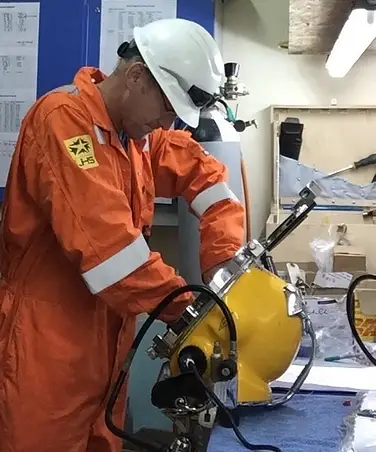
One of the biggest benefits of the Dive Industry Technician Course is hands-on experience. You don’t just learn from books or videos. You get to work with real equipment. This is crucial because theory can only take you so far. Imagine fixing a regulator or servicing a dive computer. These are tasks you’ll tackle during the course. Such experience prepares you for real-world scenarios.
I once met a student who took the course and then joined a dive shop. He said the hands-on practice made all the difference. He felt confident handling equipment from day one. Pro Tip: Volunteer for extra practice sessions whenever possible. They boost your confidence and skills.
- Pros: Real-world practice, boosts confidence, and immediate application.
- Cons: Can be intense, requires dedication, and not all equipment is available everywhere.
Career Opportunities
Completing a Dive Industry Technician Course opens up many career paths. You could work in dive shops, on dive boats, or even in equipment manufacturing. The skills you gain are in high demand. Let’s face it, diving is popular, and more divers mean more equipment that needs maintenance. This increases job opportunities.
Take, for example, a friend of mine who took the course and now works on a dive boat in the Red Sea. He loves the job and the travel it allows. Pro Tip: Network with industry professionals during your training. It can lead to job offers.
- Pros: Diverse job options, high demand, and potential for travel.
- Cons: Can be competitive, requires ongoing learning, and physical demands.
Building a Strong Foundation
The course builds a strong foundation in the basics of diving technology. You’ll learn about different types of diving equipment and how they work. This knowledge is essential. It helps you understand the complexities of diving gear and how to troubleshoot effectively.
Think about it: If you know how something works, you’re better equipped to fix it when it doesn’t. I once saw a technician diagnose a faulty regulator in minutes, simply because he understood the equipment inside out. Pro Tip: Keep updated with the latest equipment and technology trends.
- Pros: Solid knowledge base, improved problem-solving, and better troubleshooting.
- Cons: Can be time-consuming to learn, requires memorisation, and updates are frequent.
Enhancing Safety Awareness
Safety is non-negotiable in the diving industry. A Dive Industry Technician Course emphasises safety at every stage. You’ll learn about safety protocols and how to ensure equipment meets these standards. This is crucial. Safety awareness can prevent accidents and save lives.
Consider the impact: A dive team that trusts their equipment will be more confident and focused. I’ve found that technicians often become key safety officers on dive trips. Pro Tip: Regularly check and maintain your equipment to minimise risks.
- Pros: Increased safety, builds trust, and reduces accidents.
- Cons: Can be stressful, requires constant vigilance, and adherence to strict protocols.
Networking with Industry Professionals
Taking the course isn’t just about learning. It’s also about making connections. You’ll meet instructors and peers who share your interests. Networking is key in any industry, and diving is no different. These connections can lead to job opportunities, partnerships, and collaborations.
I know someone who got offered a job in Australia simply through a contact made during the course. Pro Tip: Stay in touch with your classmates and instructors. You never know when an opportunity might arise.
- Pros: Builds relationships, increases opportunities, and enhances learning.
- Cons: Requires effort to maintain, can be competitive, and not everyone is helpful.
Continuous Learning and Development
The diving industry is always evolving. This means that as a technician, you must keep learning. The course provides a strong start, but it doesn’t stop there. You’ll need to stay updated with new technologies and techniques. Continuous learning is vital for career growth.
For instance, new diving technologies emerge regularly. Staying informed keeps you ahead of the curve. Pro Tip: Attend workshops and seminars to stay current.
- Pros: Keeps skills sharp, opens new opportunities, and enhances expertise.
- Cons: Requires time, can be costly, and demands commitment.
Boosting Confidence in the Field
Confidence is key when working in any technical field. The Dive Industry Technician Course gives you the competence to handle equipment confidently. This confidence transfers to your work, making you a reliable team member.
Think about it: When others see your skills and confidence, they trust you more. I’ve seen technicians who, after completing the course, become the go-to person in their team. Pro Tip: Practice regularly to maintain and boost your confidence.
- Pros: Builds self-assurance, earns trust, and enhances performance.
- Cons: Pressure to perform, requires ongoing practice, and can be daunting at first.
Personal and Professional Growth
Finally, taking this course isn’t just about career advancement. It also offers personal growth. You’ll develop qualities like patience, attention to detail, and problem-solving. These skills are beneficial in all areas of life.
Surprisingly, many find that the course changes their perspective on challenges. It teaches resilience and adaptability. Pro Tip: Reflect on your experiences and learn from them to grow continuously.
- Pros: Develops valuable life skills, enhances adaptability, and improves resilience.
- Cons: Can be challenging, requires self-reflection, and involves personal investment.
Frequently Asked Questions
What does a Dive Industry Technician Course cover?
The course covers equipment maintenance, repair techniques, safety protocols, and real-world application. It’s designed to equip you with practical skills for the diving industry.
How long does it take to complete the course?
Typically, a Dive Industry Technician Course takes several weeks to a few months. The duration depends on the institution and the specific modules included.
Is the course suitable for beginners?
Yes, the course caters to both beginners and experienced divers. It starts with basic concepts and progresses to more advanced techniques.
What are the job prospects after completing the course?
Graduates can find opportunities in dive shops, on dive boats, or within equipment manufacturing companies. The skills are in high demand worldwide.
Do I need any prerequisites before enrolling?
Most courses don’t require prerequisites. However, basic diving knowledge and a passion for the industry are beneficial.
Can the skills learned be applied outside the diving industry?
Absolutely. Skills such as problem-solving, technical repair, and safety awareness are valuable in various technical roles beyond diving.