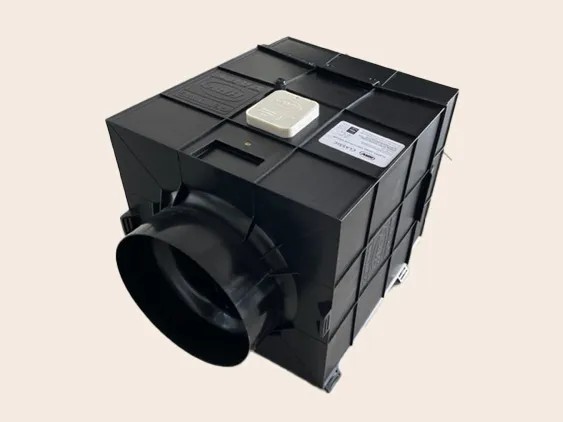
An HRV heating system is an innovative solution designed to enhance indoor air quality while promoting energy efficiency. By continuously replacing stale indoor air with fresh outdoor air, these systems help maintain a balanced, healthy indoor environment. Heat recovery technology ensures warmth is retained during the air-exchange process, minimising energy loss. Ideal for residential and commercial spaces, HRV systems improve comfort and support sustainability. They play a crucial role in modern building design, combining functionality with environmental responsibility.
What is an HRV Heating and Ventilation System
An HRV heating and ventilation system is a mechanical solution that enhances indoor air quality by exchanging indoor and outdoor air while conserving energy. This system extracts stale indoor air and introduces fresh outdoor air, maintaining a continuous airflow cycle. A key feature of an HRV system is its heat exchanger, which transfers thermal energy from outgoing air to incoming air. This process helps maintain indoor temperatures without excessive energy use, promoting efficiency.
Benefits of HRV Systems in Homes
HRV systems provide significant advantages in residential spaces by promoting a healthier indoor environment. These systems reduce indoor air pollution by continuously replacing stale air with fresh, filtered air, helping remove allergens, dust, and other airborne contaminants. Furthermore, HRV systems regulate indoor humidity levels, preventing excess moisture that could lead to mould growth and dampness.
In addition to improving air quality, HRV systems contribute to energy efficiency. The heat recovery mechanism reduces the need for additional heating by transferring warmth from outgoing air to incoming fresh air. This process helps maintain comfortable temperatures while lowering energy consumption and associated costs.
Integrating HRV systems in homes supports sustainability by minimising heat loss and improving energy conservation. These systems ensure year-round comfort and healthier living conditions while reducing environmental impact.
How HRV Systems Work
An HRV system works by exchanging air and recovering heat efficiently. Inside the system, two separate airflows – one carrying stale indoor air and the other bringing in fresh outdoor air – pass through a heat exchanger. This device transfers heat from the outgoing air to the incoming air without mixing the two streams, ensuring hygienic ventilation.
The system’s fans play a key role in maintaining consistent airflow, while the heat recovery process minimises energy waste. By retaining most of the thermal energy, the system helps sustain indoor temperatures, reducing the need for additional heating. This streamlined process improves air quality and supports energy efficiency, making it an essential feature for modern, environmentally conscious buildings. Each component works cohesively to ensure reliable performance.
Components of an HRV System
An HRV system comprises several key components that work together to provide efficient ventilation and heat recovery. The heat exchanger is the central element, responsible for transferring thermal energy between outgoing and incoming air streams without mixing them. Fans ensure a steady flow of air through the system, maintaining proper ventilation. Filters trap dust, allergens, and other particles, ensuring the incoming air is clean. Ductwork connects the HRV unit to various parts of the building, facilitating smooth air distribution.
Additionally, control panels or smart controls allow precise adjustments to the system’s settings, optimising performance and energy efficiency. Each component is essential for the system’s seamless operation, ensuring it delivers a balanced, energy-efficient indoor environment while maintaining superior air quality for occupants. Proper integration of these elements enhances overall functionality and reliability.
Installation of HRV Systems
Installing HRV systems requires careful planning and precise execution to ensure optimal performance. It begins with assessing the building’s ventilation needs and determining the system’s appropriate size and capacity. Ductwork design and placement are planned to allow efficient airflow and minimal noise disruption. The HRV unit is positioned strategically to maximise performance while integrating seamlessly with existing infrastructure. Attention is given to properly sealing ducts and connections to prevent air leaks and ensure energy efficiency.
Maintenance of HRV Systems
Regular upkeep of HRV systems ensures they function effectively and maintain energy efficiency. Check and replace filters periodically to prevent blockages and maintain clean airflow. Dirty or clogged filters can impede performance and compromise indoor air quality. Heat exchangers, being a core component, require occasional cleaning to sustain efficient heat transfer. Dust and debris accumulation on this part can reduce the system’s overall efficiency.
Fans and ductwork should also be inspected for dirt build-up or obstructions. Clear and well-maintained airflow pathways prevent unnecessary strain on the system’s components. Professional servicing, conducted annually or as needed, is crucial for identifying wear and tear in parts such as fans and seals. Routine inspections not only help detect potential issues early but also extend the system’s lifespan, ensuring continued effective ventilation and heating performance.
Common Issues with HRV Ventilation System
An HRV ventilation system can encounter operational challenges that may affect their performance. Poor airflow is often caused by blocked filters or obstructed ductwork, reducing ventilation and heat-recovery efficiency. Excessive noise may develop due to loose components or wear and tear on the system’s fans. Improper installation, such as poorly sealed ductwork, can cause air leaks that reduce energy efficiency and indoor air quality.
Electrical malfunctions in control systems may disrupt normal operation and require professional attention. Regular inspections and timely maintenance are essential to address these issues promptly and ensure the system continues to operate effectively and efficiently. Identifying and rectifying problems early helps maintain system reliability and optimises long-term performance.
Energy Efficiency of HRV Systems
HRV systems optimise energy use by recovering heat from outgoing air and transferring it to incoming fresh air. This process reduces reliance on traditional heating systems, lowering energy consumption and saving costs. By minimising heat loss during ventilation, HRV systems help maintain consistent indoor temperatures without excessive energy use.
They are particularly beneficial in colder climates, where retaining heat is essential for comfort. Additionally, their ability to balance energy efficiency with effective ventilation makes HRV systems an environmentally responsible choice for modern buildings.
By reducing energy demand, these systems support sustainable practices while ensuring a comfortable, healthy indoor environment for occupants in both residential and commercial settings.
HRV Systems in Commercial Buildings
HRV systems offer significant advantages for commercial buildings, particularly in spaces where maintaining air quality and energy efficiency is essential. These systems ensure a steady supply of fresh air while reducing heat loss, which helps regulate indoor temperatures effectively. By promoting better ventilation, HRV systems create healthier environments, supporting the well-being of occupants in offices, retail spaces, and other commercial settings.
Additionally, their energy-saving capabilities align with cost-saving objectives in large-scale operations. Integrating HRV systems can also help meet building regulations related to sustainability and energy efficiency. Designed to meet extensive ventilation demands, these systems provide reliable performance, making them a practical choice for various commercial applications.
Comparing HRV and ERV Systems
HRV and ERV systems share similarities in providing ventilation and improving energy efficiency, but they differ in how they handle moisture. HRV systems focus on transferring heat between outgoing and incoming air, making them suitable for cooler climates where maintaining warmth is a priority. ERV systems, however, also manage humidity by transferring moisture alongside heat. This feature is advantageous in high-humidity regions, as it helps balance indoor moisture levels.
The choice between these systems depends on the specific climate and the building’s ventilation requirements. Both options improve indoor air quality while conserving energy, but their unique characteristics determine their suitability for different environmental conditions and application needs.
Environmental Impact of HRV Systems
HRV systems support environmental sustainability by minimising energy waste during ventilation. Through heat recovery, these systems reduce reliance on traditional heating methods, lowering energy consumption and greenhouse gas emissions. By maintaining indoor temperatures efficiently, they support efforts to conserve natural resources.
Additionally, HRV systems help buildings meet stringent energy efficiency standards, aligning with modern environmental regulations. Their role in reducing energy demand makes them an essential component of sustainable building practices and promotes eco-friendly development.
Future Trends in HRV Technology
Advancements in HRV technology increasingly focus on smart integrations and improved system efficiency. Features such as automated controls and remote monitoring are becoming more prevalent, allowing systems to adjust ventilation settings based on real-time data. These innovations not only improve performance but also further reduce energy consumption.
Integration with smart building management systems is another emerging trend, enabling seamless operation alongside other energy-efficient technologies. Enhanced sensors and predictive maintenance capabilities are also being developed to ensure optimal system functionality.
As environmental concerns and energy efficiency regulations continue to evolve, HRV technology is expected to adopt even more sustainable and eco-friendly designs. The growing emphasis on reducing carbon footprints is driving research into advanced materials and designs, which aim to improve heat recovery efficiency while maintaining superior air quality for modern living spaces.
Conclusion
An HRV heating system offers an advanced, energy-efficient solution for maintaining healthy indoor air quality across Australia. By continuously replacing stale indoor air with filtered outdoor air while capturing thermal energy through a high-efficiency heat exchanger, these systems drastically reduce heat loss and lower heating costs. They effectively manage humidity, prevent mould growth, and remove airborne allergens to create comfortable, healthy living environments in both residential and commercial buildings. Integrating modern control features with minimal maintenance demands, HRV systems represent a sustainable, long-term investment that aligns perfectly with modern eco-conscious building standards and high-performance architectural design.
Frequently Asked Questions
How does an HRV heating system improve indoor air quality?
An HRV heating system continuously extracts stale, polluted indoor air and replaces it with fresh, filtered outdoor air. The integrated filters capture dust, pollen, and airborne allergens, while controlled ventilation removes excess moisture to prevent dampness and mould growth inside the property.
What is the core difference between an HRV system and an ERV system?
While both systems recover thermal energy to improve efficiency, an HRV transfers only sensible heat between air streams. An ERV system transfers both heat and moisture, making HRV systems ideal for cooler environments where temperature control and humidity removal are the primary goals.
Can an HRV system reduce energy bills for Australian homes?
Yes, an HRV system recovers up to ninety percent of the thermal energy from outgoing air and uses it to precondition incoming fresh air. This minimizes the workload on primary heating systems, reducing overall electricity consumption and lowering energy utility costs.
What maintenance is required to keep an HRV system running efficiently?
Regular maintenance involves checking and replacing air filters every few months to ensure clean airflow. Property owners should also periodically inspect ductwork for dust buildup and schedule professional servicing to clean the core heat exchanger and test fan motors.
Are HRV systems suitable for both retrofits and new building constructions?
HRV systems can be installed in both new builds and existing properties. They integrate most seamlessly during new construction or major renovations where ductwork can be easily planned, though compact retrofitting options are also available for modernised homes.
| Related Business Listings |
| Contact Directory |
| Local Business Profiles |