The agents who are most successful often come to mind first when someone in the neighborhood decides to sell, when a friend talks about moving, or when someone notices a “For Sale” sign at the end of the street.While digital marketing, open houses, and referrals are still very important, there’s one often-overlooked and cost-effective tool that real estate agents can use to boost their visibility: their own vehicle.A partial vehicle wrap turns a regular commute into a constantly moving advertisement, and it does this without the high cost, long-term commitment, or excessive visual impact of a full wrap.For real estate agents looking for steady brand exposure without compromising the professional appearance of their car, partial wraps offer a smart and balanced solution.
Looking for the best car wraps expert in Surrey, BC? Our professional vehicle wrap specialists deliver premium-quality custom car wraps designed to transform your vehicle and make it stand out on the road.
What Exactly Is a Partial Wrap?
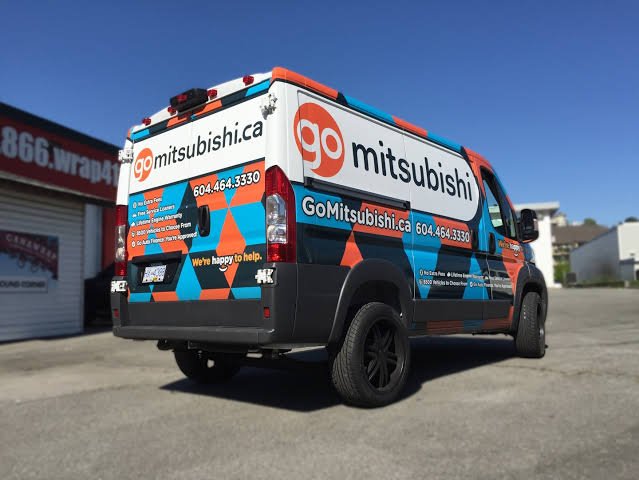
A partial wrap uses vinyl graphics to cover only part of a vehicle’s exterior rather than wrapping the entire car in a printed design.
Common areas covered include the rear panels, hood, side doors, lower rocker panels, or a combination of these, while the rest of the car remains in its original factory paint.This method lets an agent’s personal car—whether it’s a sedan, SUV, or truck—keep its original style while still displaying important brand elements such as the agent’s name, photo, brokerage logo, phone number, website, and even a tagline like “Your Neighborhood Expert” or “Selling [City] Since 2015.”
Unlike full wraps, which can make a vehicle look like a giant advertisement from end to end, partial wraps are carefully chosen.
Designers and installers select specific panels based on how visible they are, how they fit the car’s shape, and where people’s eyes naturally go when looking at a parked or moving car.The aim is not to cover as much as possible, but to place the graphics in areas where they are most likely to be noticed and remembered.
Why Real Estate Agents Are Choosing Partial Wraps
Cost-Effective Branding
Full vehicle wraps can cost anywhere from $2,500 to $5,000 or more, depending on the size of the car and the design complexity.
Partial wraps, by contrast, usually cost between $600 and $1,800, making them much more affordable for individual agents or small teams with limited marketing budgets.This lower cost allows agents to invest their remaining marketing funds in other areas, such as professional photography, online ads, or direct mail campaigns, leading to a more well-rounded marketing strategy.
Preserving Resale Value and Personal Use
Many real estate agents use the same car for both work and personal purposes, like dropping kids off at school, running errands, or going out on weekends.
A full wrap can look too much for a car that also needs to be used in everyday life.Partial wraps offer a middle ground, keeping the car stylish and personal while still conveying a professional image.Plus, because partial wraps cover less of the car, they are easier and less expensive to remove without causing any damage to the paint, helping maintain the vehicle’s resale value over time.
Faster Installation, Less Downtime
Time away from the road can mean missed appointments, showings, and open houses—key moments in a commission-based business.
A full wrap can take two to three days at a wrap shop, which means the car is out of service for a significant amount of time.A partial wrap, depending on the chosen panels, can often be installed in just a few hours.For agents who can’t afford to be without their vehicle for long, this quick turnaround is a real advantage.
A Cleaner, More Approachable Look
There’s also a psychological aspect to consider.
Some potential clients may find fully wrapped vehicles too aggressive or overly salesy, especially in a field like real estate where trust and personal connections are essential.A well-designed partial wrap, especially one that includes the agent’s headshot with clean, professional typography, can create a more welcoming and trustworthy image than a full graphic design.It communicates professionalism without looking like a mobile ad for a used car dealership.
Where to Place the Graphics
The decision on where to place the graphics should be based on where the vehicle spends most of its time and how people generally view it.
Common high-impact zones include:
Rear window and tailgate/trunk area – These areas are great for drivers who are stuck behind the agent in traffic, at stoplights, or in parking lots.
They are ideal for displaying a phone number and website.
Rear quarter panels – These are highly visible when the car is parked at an angle, such as in a driveway or lot.
They are effective for placing logos or taglines.
Front doors – This is a classic spot for a name, headshot, and branding for the brokerage.
It is especially useful when the agent steps out at a listing or open house.
Hood – This area is visible to pedestrians and can be used to reinforce brand colors or a bold logo.
However, it is less commonly used than door or rear placements.
A skilled wrap designer will also take into account the vehicle’s body lines, window contours, and door handles to ensure the graphics look intentional rather than like an awkward patch of color on the car.
Partial vehicle wraps London are an affordable and effective way for businesses to promote their brand while maintaining a professional appearance.
Design Considerations That Matter
A wrap is only as effective as its design.
A few best practices help distinguish wraps that generate leads from those that blend into traffic:
Legibility from a distance.
Phone numbers and website URLs should be large enough to be read from at least 20-30 feet away, as most exposure occurs while driving or when parked.
Brand consistency.
The wrap should match the agent’s existing branding, including colors, fonts, and logo, to reinforce recognition built through yard signs, business cards, and online listings.
A clear headshot.
Real estate is a relationship-driven business, and a friendly, professional photo helps humanize the brand and build familiarity before a prospective client makes contact.
Contrast and color choice.
Graphics should contrast well against the vehicle’s paint color so they remain readable in various lighting conditions, from bright midday sun to overcast afternoons.
A single strong call to action.
Instead of cramming the wrap with every possible detail, agents get better results by focusing on one or two clear actions, like a phone number and a website, rather than listing every service they offer.
Maintenance and Longevity
Quality vinyl wraps, when properly installed and maintained, typically last three to five years.
However, partial wraps that cover less surface area often show wear more slowly because there is less material exposed to sun and road debris.Hand washing, avoiding automatic car washes with abrasive brushes, and parking in shade when possible can all help extend the life of the graphics.Most reputable installers also offer a warranty covering fading, peeling, or bubbling, so it’s worth asking about that coverage before committing to a shop.
Final Thoughts
For real estate agents looking to maximize visibility without overspending or overcommitting, a partial vehicle wrap is a smart, practical investment.
It turns daily driving into passive lead generation, reinforces brand recognition every time the agent is out showing homes or grabbing coffee, and does so at a fraction of the cost and downtime of a full wrap.Combined with a strong design that emphasizes legibility, brand consistency, and a friendly face, a well-placed partial wrap can turn an ordinary commute into a quiet, consistent touchpoint between an agent and the community they serve.