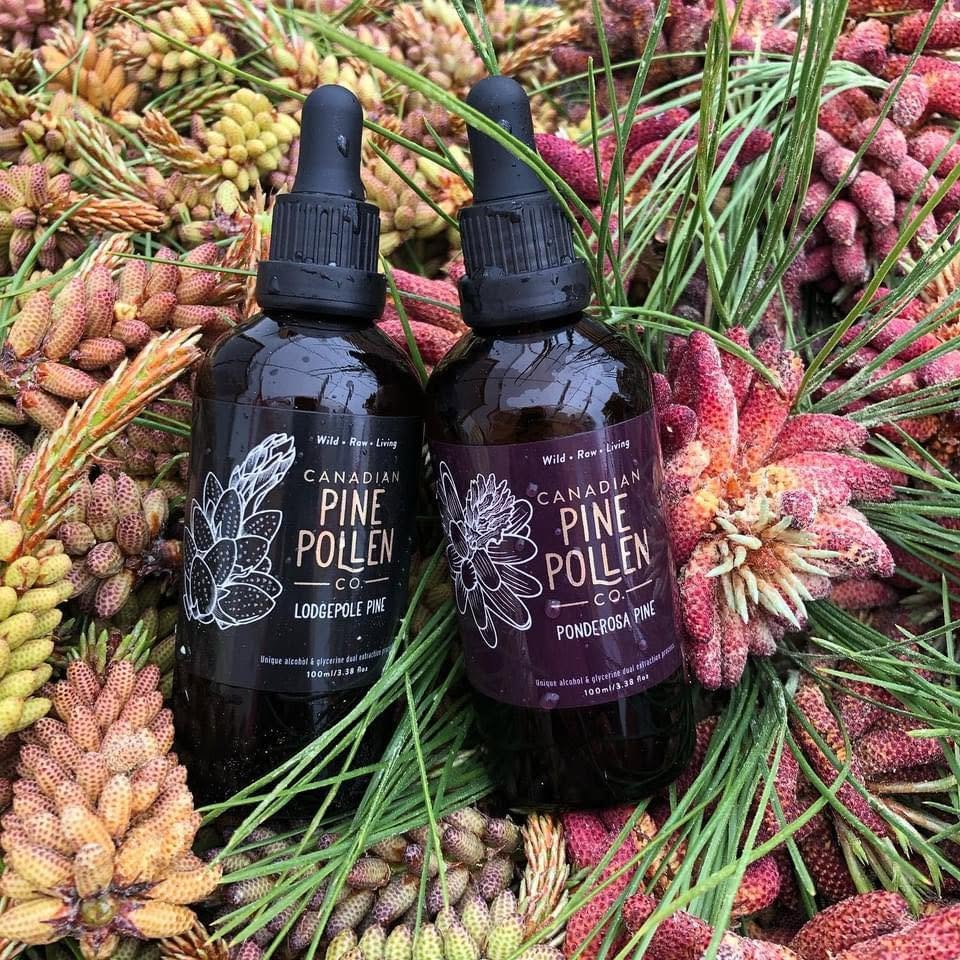
Lodgepole pine pollen
Lodgepole pine pollen is a natural substance collected from the male cones of the lodgepole pine tree. Like other types of pine pollen, it has attracted attention as a traditional natural ingredient and as a source of nutrients and plant compounds. People interested in natural wellness may encounter lodgepole pine pollen in powdered supplements, capsules, extracts, and other products.
While pine pollen has a long history of traditional use in parts of Asia, interest in it has expanded internationally because of its nutritional profile and potential wellness applications. However, research specifically focused on lodgepole pine pollen is still developing, and it is important to distinguish traditional uses from benefits that have been scientifically established.
What Is Lodgepole Pine Pollen?
Lodgepole pine (Pinus contorta) is a pine species native to western North America. It grows in a variety of environments, including mountainous and forested regions. The tree produces male cones that release fine pollen particles during its reproductive cycle.
Lodgepole pine pollen is collected from these male reproductive structures and may be processed into a dry powder. Depending on how it is harvested and processed, the resulting product can vary in color, texture, composition, and nutritional content.
Pine pollen generally contains proteins, amino acids, carbohydrates, lipids, minerals, vitamins, and various naturally occurring plant compounds. The exact composition can differ according to the pine species, growing conditions, harvesting period, and processing method.
Nutritional Profile of Pine Pollen
One reason pine pollen has become popular among natural-product consumers is its nutritional composition. Pine pollen contains a combination of macronutrients and micronutrients that may contribute to an overall balanced diet.
Protein is one of its notable components. It contains various amino acids, although the amount and nutritional quality can vary between products. It also contains carbohydrates and small quantities of fats.
Pine pollen may provide minerals such as potassium, magnesium, calcium, zinc, and iron in varying amounts. It can also contain antioxidant compounds, including flavonoids and other polyphenols.
However, consumers should not assume that a small serving of pine pollen provides large amounts of every nutrient. Supplement labels and laboratory testing are the best ways to determine the actual nutritional content of a particular product.
Potential Benefits of Lodgepole Pine Pollen
Interest in lodgepole pine pollen is often connected with several potential wellness benefits. Some of these claims come from traditional use, while others are based on laboratory or animal research involving pine pollen or related plant compounds.
1. Source of Plant-Based Nutrients
Pine pollen can provide protein, amino acids, minerals, and other naturally occurring compounds. For people looking to diversify their intake of plant-derived foods and ingredients, it may be an interesting addition to a varied diet.
It should nevertheless be considered a supplementary food rather than a replacement for nutrient-rich foods such as vegetables, fruits, legumes, whole grains, nuts, seeds, eggs, dairy products, or other protein sources.
2. Antioxidant Compounds
Pine pollen contains naturally occurring antioxidant compounds. Antioxidants help protect cells from oxidative stress caused by reactive molecules generated through normal metabolism and environmental exposure.
Research on pine pollen extracts has investigated antioxidant activity in laboratory settings. However, laboratory antioxidant activity does not automatically mean that consuming lodgepole pine pollen produces the same effect in humans.
More human research is needed to determine how the compounds in pine pollen are absorbed and how they may affect health.
3. Traditional Wellness Applications
Pine pollen has been used traditionally in some cultures as a nutritional and wellness ingredient. Historically, different forms of pine pollen have been incorporated into traditional preparations and foods.
Modern consumers sometimes use pine pollen as part of broader wellness routines. Popular products may be marketed for energy, vitality, immune support, or general nutritional supplementation.
These uses should be viewed in the context of traditional practices rather than as proof that pine pollen can prevent or treat specific medical conditions.
4. Potential Support for Active Lifestyles
Because pine pollen contains protein and other nutrients, some people incorporate it into smoothies, oatmeal, yogurt, or other foods. It can be a convenient way to add a small amount of plant-derived nutritional content to meals.
However, anyone using it specifically for muscle building or athletic performance should remember that total daily protein, calories, hydration, sleep, and training are much more important than a single supplement.
How Is Lodgepole Pine Pollen Used?
Lodgepole pine pollen is available in several forms. Powder is one of the most common formats and can be mixed into smoothies, yogurt, oatmeal, or beverages.
Some products are sold in capsule or tablet form. These may be convenient for people who do not want to mix powder into food.
Extracts are another option. Extraction methods can concentrate certain compounds, meaning an extract may not have the same nutritional profile as untreated pollen. Consumers should therefore pay attention to the product label and serving instructions rather than assuming that all pine pollen products are interchangeable.
If you are trying a pine pollen product for the first time, follow the manufacturer’s recommended serving size.
How to Choose a Quality Pine Pollen Product
Quality is particularly important when purchasing natural pollen products. Because supplements can vary significantly, consumers should look for products from reputable manufacturers that provide clear information about sourcing and testing.
Consider checking for:
- The botanical name of the pine species
- Country or region of origin
- Ingredient and serving information
- Batch or lot information
- Appropriate quality testing
- Clear storage instructions
- Information about potential allergens
- Independent testing when available
Avoid products that make unrealistic claims, such as promising to cure serious diseases, dramatically increase hormone levels, or replace prescribed medical treatments.
A reputable product should provide transparent information and avoid presenting traditional or preliminary research as established medical evidence.
Lodgepole Pine Pollen and Allergies
Pollen is a well-known allergen for some people. Anyone with seasonal allergies or known pollen sensitivity should exercise caution before consuming pine pollen.
Although edible pine pollen is different from many airborne pollens responsible for seasonal allergy symptoms, allergic reactions are still possible. Symptoms can include itching, hives, swelling, digestive discomfort, coughing, or breathing difficulties.
A severe allergic reaction requires immediate medical attention.
People with significant allergies should discuss the use of pollen-based supplements with a healthcare professional before trying them.
Is Lodgepole Pine Pollen Safe?
For many people, pine pollen may be tolerated when consumed in appropriate amounts, but safety depends on the individual and the specific product.
Natural does not automatically mean risk-free. Supplements can interact with medications, and some people may have allergies or other conditions that require additional caution.
Pregnant or breastfeeding individuals, children, people taking prescription medications, and those with significant medical conditions should consult a qualified healthcare professional before adding a concentrated pine pollen supplement to their routine.
It is also important to remember that dietary supplements are not intended to diagnose, treat, cure, or prevent diseases unless a product has been specifically evaluated and legally authorized for such claims.
Lodgepole Pine Pollen vs. Other Pine Pollens
Not all pine pollen is the same. Different pine species can have different chemical and nutritional profiles.
Lodgepole pine is scientifically known as Pinus contorta, while other commonly discussed pine species include Pinus massoniana and Pinus sylvestris. Research conducted on one species should not automatically be interpreted as evidence for every other species.
This distinction is especially important when reading online claims about pine pollen. A study involving a particular species or laboratory extract may provide useful scientific information, but it does not necessarily establish the same benefits for commercially available lodgepole pine pollen.
Consumers should therefore look for products that clearly identify the source species.
How to Incorporate Pine Pollen Into a Healthy Lifestyle
If you choose to use lodgepole pine pollen, it can be incorporated into an overall healthy lifestyle rather than treated as a standalone solution.
For example, powdered pine pollen can be added to a smoothie containing fruit, vegetables, yogurt, or another protein source. It can also be mixed into oatmeal or sprinkled into certain foods according to the product’s instructions.
The goal should be dietary variety. A healthy lifestyle still depends primarily on a balanced diet, regular physical activity, adequate sleep, stress management, and appropriate medical care.
No single natural ingredient can compensate for a consistently poor diet or unhealthy lifestyle.
What Does Scientific Research Say?
Scientific interest in pine pollen has increased, but research remains limited compared with more extensively studied foods and supplements. Some laboratory and animal studies have investigated compounds found in pine pollen and their potential antioxidant, anti-inflammatory, or other biological activities.
These findings can help researchers understand which compounds may be worth studying further. However, laboratory findings and animal studies cannot be treated as definitive evidence of health benefits in humans.
High-quality human clinical trials are needed to determine appropriate dosages, potential benefits, long-term safety, interactions with medications, and differences between pine species.
For this reason, it is best to approach strong health claims about lodgepole pine pollen with caution.
Final Thoughts
Lodgepole pine pollen is an interesting natural ingredient with a nutritional profile that includes protein, amino acids, minerals, and various plant compounds. Its connection with traditional wellness practices and growing interest in natural foods has made pine pollen increasingly popular among consumers.
Nevertheless, scientific evidence specifically supporting lodgepole pine pollen for treating or preventing health conditions is still limited. Many claims surrounding pine pollen are based on traditional use, preliminary research, or studies involving different pine species.
If you decide to use lodgepole pine pollen, choose a reputable product, follow the recommended serving instructions, and consider possible allergies or medication interactions. Most importantly, view it as one optional component of a balanced lifestyle rather than a replacement for nutritious food or professional medical care.
As research develops, future human studies may provide a clearer understanding of the nutritional properties, safety, and potential applications of lodgepole pine pollen.