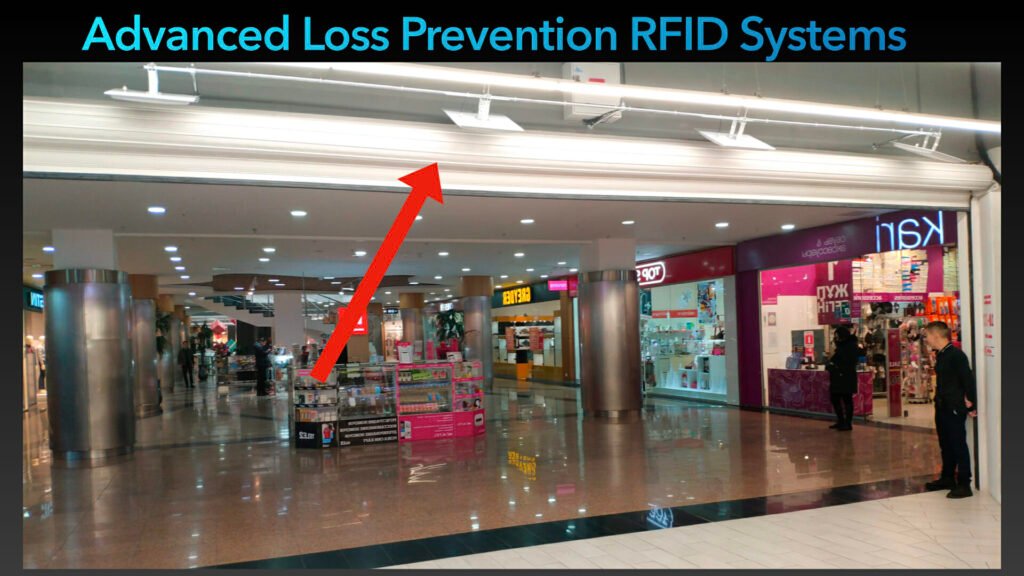
Shoplifting remains one of the most persistent challenges for modern retailers. Rising product costs, organized retail theft, self-checkout abuse, and increasingly sophisticated concealment methods can quickly turn small losses into significant financial problems. Effective shoplifting prevention is no longer about placing a security guard at the entrance. Retailers need a balanced strategy that combines technology, store design, employee awareness, and clear operating procedures.
The best prevention systems also protect the customer experience. A store that feels overly restrictive can discourage legitimate shoppers, while a store with obvious security gaps can become an easy target. Modern retailers therefore need solutions that reduce opportunities for theft without making honest customers feel like suspects.
Why Modern Retail Stores Need a Layered Approach
No single security product can prevent every form of retail theft. Criminals may exploit blind spots, distract employees, manipulate self-checkout systems, or target high-value products that are easy to conceal.
A layered approach creates several barriers. Physical security can make products harder to access, surveillance can identify suspicious behavior, and trained employees can respond appropriately when something appears unusual.
Retailers should consider prevention across four areas:
- Visibility: Employees should have clear sightlines throughout important selling areas.
- Technology: Cameras, electronic article surveillance, alarms, and analytics can identify potential risks.
- Store design: Layouts should reduce hidden corners and uncontrolled exits.
- Employee procedures: Staff need practical training for recognizing and reporting suspicious activity.
The objective is not to eliminate every theft attempt. Instead, the goal is to make theft more difficult, more detectable, and less attractive.
Step-by-Step Shoplifting Prevention Strategy
1. Identify Your Highest-Risk Areas
Start by reviewing where losses actually occur. Avoid installing security equipment based solely on assumptions.
Analyze inventory records, incident reports, employee observations, and unusual stock discrepancies. Look for patterns involving particular products, departments, times, or store locations.
For example, a retailer may discover that expensive cosmetics frequently disappear from a poorly visible aisle during busy evening hours. That finding provides a much stronger basis for action than simply adding cameras throughout the entire store.
2. Improve Store Visibility
Store layout has a major influence on theft opportunities.
Keep frequently targeted merchandise in areas where employees naturally maintain visibility. Avoid tall displays that create concealed spaces, particularly near exits and corners.
Mirrors can improve visibility around obstructed areas, while thoughtful lighting can eliminate dark sections where suspicious behavior is harder to observe.
At the same time, avoid making aisles unnecessarily narrow. Customers should be able to move comfortably while employees retain reasonable visibility.
3. Use Electronic Article Surveillance
Electronic article surveillance, commonly called EAS, can provide an additional layer of protection for merchandise.
Tags or labels attached to selected products can trigger an alarm when someone attempts to leave without completing the proper checkout process. Retailers can use these systems strategically rather than tagging every item.
This approach works particularly well for merchandise that is:
- Small and easy to conceal
- Relatively expensive
- Frequently targeted
- Difficult to replace quickly
Employees should understand how the system works and know what to do when an alarm activates. An alarm should trigger a defined response rather than confusion at the exit.
4. Position Security Cameras Strategically
More cameras do not automatically mean better security.
Focus surveillance on locations where theft is most likely to occur. These can include entrances, exits, high-value displays, self-checkout stations, stockrooms, and areas with limited natural visibility.
Camera placement should also account for lighting and customer movement. A camera pointed toward a bright window may produce poor footage, while an improperly positioned camera can leave important activity outside its field of view.
Regularly test cameras and recording equipment. A security system is only useful when footage is available, clear, and accessible when needed.
5. Strengthen Self-Checkout Controls
Self-checkout has introduced new challenges because one employee may supervise several transactions simultaneously.
Retailers can reduce risk by using clear product-scanning procedures, transaction monitoring, weight verification where appropriate, and strategically positioned staff.
For example, if a customer repeatedly scans inexpensive items while handling higher-value merchandise, employees should be able to review the transaction without creating unnecessary confrontation.
Technology can help identify unusual transaction patterns, but employees still need to use judgment. Automated alerts should support human decision-making rather than replace it.
6. Train Employees on Safe Intervention
Employees are one of the most important parts of a prevention strategy, but they should never be expected to put themselves in danger.
Training should cover suspicious behavior, reporting procedures, customer interaction, emergency situations, and company policies regarding intervention.
A useful approach is to teach employees to focus on observable behavior rather than appearance. For instance, repeatedly entering restricted areas, concealing merchandise, or deliberately bypassing checkout procedures are meaningful observations. A person’s clothing, age, or appearance should not determine suspicion.
Clear procedures also reduce inconsistent responses between employees and shifts.
Common Shoplifting Prevention Mistakes
One common mistake is relying entirely on visible security equipment. Cameras and alarms can deter some theft, but they cannot compensate for poor store procedures or weak employee awareness.
Another problem is placing security devices without analyzing actual loss patterns. A retailer might spend heavily protecting low-risk merchandise while leaving a high-loss department exposed.
Overly aggressive customer interaction is another concern. Employees who confront customers without proper training can create unnecessary conflict and potentially increase safety risks.
Retailers should also avoid neglecting internal theft. Inventory discrepancies may result from customer theft, employee theft, administrative errors, damaged products, or incorrect receiving procedures. Investigating the underlying cause is essential before deciding on a solution.
Practical Tips From a Retail Security Perspective
Start with a loss-prevention audit before purchasing new equipment. Walk through the store during different times of day and identify areas where employees cannot easily see customers.
Review your highest-loss products regularly. Theft patterns can change quickly when product prices, store layouts, or customer traffic change.
Create a simple incident-reporting process. Employees should record what happened, where it happened, when it occurred, and what action was taken. Over time, these reports can reveal useful patterns.
Consider using security measures that fit the product. High-value electronics may require stronger physical controls than inexpensive household products. Similarly, small cosmetics may benefit from different protection than bulky merchandise.
Finally, review prevention measures periodically. A system that worked well last year may become less effective after a store remodel, technology upgrade, or change in theft patterns.
Building a Balanced Prevention Program
An effective retail security program should combine deterrence, detection, response, and review.
Deterrence makes theft less appealing through visible security and thoughtful store design. Detection identifies suspicious activity through employees, cameras, alarms, and transaction monitoring. Response ensures staff know what to do safely and consistently. Review allows management to measure results and adjust the strategy.
For example, a retailer experiencing repeated losses in one department could improve lighting, reposition merchandise, add targeted surveillance, train employees, and review inventory weekly. After several months, management can compare loss rates before and after the changes.
This evidence-based approach is more effective than continuously adding security equipment without measuring its impact.
Conclusion
Modern shoplifting prevention requires more than cameras, alarms, or security tags. Retailers achieve better results when they combine technology with smart store design, employee training, inventory controls, and data-driven decision-making.
The most practical strategy is to identify where losses occur, understand why they happen, and introduce targeted solutions that address those weaknesses. By creating multiple layers of protection while maintaining a welcoming shopping environment, retailers can reduce preventable losses and build a safer, more controlled store operation.