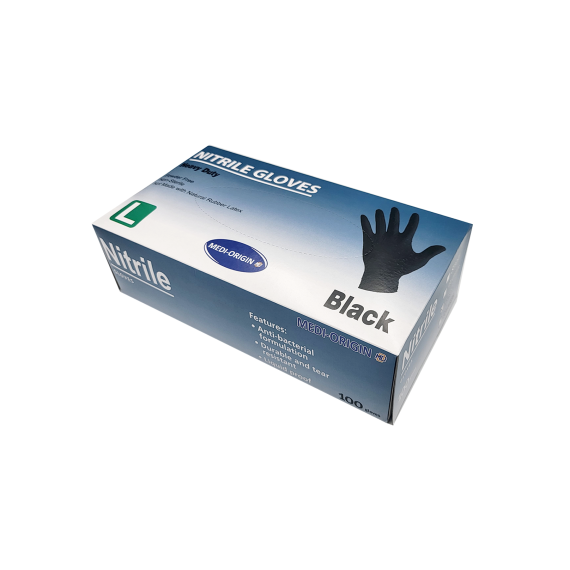
Healthcare professionals work in environments where exposure to blood, body fluids, respiratory droplets, contaminated materials, chemicals, and other workplace hazards may occur. Appropriate personal protective equipment forms an important part of controlling these risks. This is why reliable Medical PPE supplies are essential across hospitals, medical centres, dental practices, laboratories, aged care facilities, pharmacies, and many other healthcare settings.
Medical PPE includes products such as gloves, masks, respirators, protective gowns, disposable aprons, face shields, protective eyewear, shoe covers, and other equipment selected according to the task and identified risks.
PPE is not simply about having protective products available. Healthcare organisations need to select equipment that is appropriate for its intended use, fits correctly, meets applicable standards, is stored properly, and can be accessed when staff need it.
An effective PPE purchasing strategy also considers stock levels, supplier reliability, product documentation, staff requirements, disposal procedures, and changing demand.
This guide explains common types of medical PPE, their applications, purchasing considerations, storage practices, and how healthcare organisations can build a more reliable PPE supply system.
What Are Medical PPE Supplies?
Medical PPE supplies are items of personal protective equipment used to reduce occupational exposure to specific hazards in healthcare and related environments.
Different PPE products protect different areas of the body. Gloves protect the hands from certain forms of contact exposure. Masks and respirators serve different respiratory or source-control purposes depending on their design and specification. Protective eyewear and face shields can help protect the eyes or face from splashes and droplets. Gowns and aprons provide varying levels of clothing and skin coverage.
The appropriate combination depends on the procedure and risk assessment.
PPE may be disposable or reusable. Disposable products are generally intended for limited or single use according to manufacturer instructions, while reusable equipment requires appropriate cleaning, disinfection, inspection, and maintenance.
Healthcare organisations should always select PPE according to applicable workplace requirements, infection prevention procedures, manufacturer instructions, and relevant standards rather than assuming that one product is suitable for every clinical situation.
Why Medical PPE Is Important in Healthcare
Healthcare workers regularly perform tasks that involve close contact with patients and potentially contaminated materials.
Appropriate PPE creates a physical barrier that can help reduce exposure when selected and used correctly.
For example, gloves may be required when contact with blood or body fluids is anticipated. Eye protection may be necessary when a procedure creates a splash risk. Respiratory protection may be required for particular airborne hazards or clinical situations.
PPE also forms part of broader infection prevention and workplace safety systems.
It should not be treated as the only protective measure. Hand hygiene, environmental cleaning, ventilation, safe work practices, waste management, vaccination where relevant, engineering controls, administrative controls, and appropriate training may all contribute to risk reduction.
Healthcare facilities therefore need more than boxes of protective products. They need an organised system that ensures the correct equipment is available, suitable, properly used, and replaced when necessary.
Common Types of Medical PPE Supplies
The term Medical PPE supplies covers a broad range of products because healthcare workers encounter different risks during different procedures.
Common categories include:
- Disposable examination gloves
- Surgical gloves
- Medical or surgical masks
- Respirators
- Isolation gowns
- Surgical gowns
- Disposable aprons
- Face shields
- Protective eyewear and goggles
- Protective sleeves
- Shoe or boot covers where required
- Hair and head covers for relevant procedures
Not every healthcare worker requires every product.
PPE selection should be based on the specific activity, potential exposure route, duration of use, required protection level, fit, and applicable clinical or workplace guidelines.
Product terminology can also vary between suppliers. Buyers should therefore check specifications and relevant standards instead of relying solely on marketing names such as “medical grade,” “premium,” or “heavy duty.”
Disposable Medical Gloves
Gloves are among the most frequently used forms of PPE in healthcare.
Disposable examination gloves may be manufactured from nitrile, latex, vinyl, or other suitable materials. Each material has different characteristics related to fit, flexibility, durability, chemical compatibility, and potential sensitivity concerns.
Nitrile gloves are widely used because they can offer useful puncture resistance and do not contain natural rubber latex. Latex gloves are known for flexibility and close fit but may not be suitable where latex sensitivity is a concern. Vinyl gloves have different performance characteristics and should only be used where their specification is appropriate for the task.
Gloves do not replace hand hygiene. Healthcare workers should follow applicable hand hygiene procedures before and after glove use.
Disposable gloves should also be changed between tasks or patients as required and should never be washed or reused when the manufacturer specifies them as single-use products.
Medical Masks
Medical masks are commonly used in healthcare environments for purposes such as source control and protection from certain splashes or droplets, depending on their design and specification.
They typically cover the nose and mouth and may use ear loops or ties to remain in position.
Not all masks provide the same performance.
Medical or surgical masks should be selected according to the required standard and intended clinical application. Fit, filtration performance, fluid resistance, breathability, and construction can vary.
A mask should fit securely while allowing the wearer to breathe comfortably during the intended period of use.
Masks should also be handled correctly. Touching the front surface unnecessarily can compromise good infection-control practice.
Healthcare facilities purchasing masks in large quantities should verify product documentation and ensure that staff understand when different types of masks are appropriate.
Respirators and Respiratory Protection
Respirators differ from ordinary medical masks and are designed to provide a specified level of respiratory protection when properly selected and fitted.
Examples include respirators classified under recognised standards in different regions.
The correct respirator depends on the hazard and applicable workplace requirements.
Fit is particularly important because respiratory protection relies on an appropriate seal for tight-fitting respirators. Healthcare organisations may need formal fit-testing programs and user seal checks according to local regulations and workplace procedures.
Staff should also understand how to put on, remove, inspect, and dispose of or maintain respiratory protective equipment correctly.
A respirator should never be selected simply because it appears more substantial than another mask.
Buyers should confirm the product classification, applicable standards, manufacturer documentation, intended use, and compatibility with other PPE such as protective eyewear.
Disposable Medical Gowns
Protective gowns provide coverage for clothing and areas of the body that may be exposed during healthcare procedures.
Different gowns provide different levels of protection.
Isolation gowns may be used for certain patient-care activities, while surgical gowns have specific requirements associated with surgical environments. The required level of coverage and barrier performance depends on the anticipated exposure.
Gowns may include long sleeves, elastic or knitted cuffs, waist ties, neck closures, and varying lengths.
Comfort and mobility are also important. Healthcare workers need to perform clinical tasks without the gown excessively restricting movement.
Facilities purchasing gowns should consider sizing, material, breathability, fluid resistance, closure design, and applicable performance standards.
Disposable gowns should be discarded after use according to relevant procedures. Reusable gowns require appropriate laundering and inspection before being returned to service.
Disposable Aprons
Disposable aprons provide a simple protective layer over the front of clothing.
They are frequently used where the identified risk does not require the fuller coverage of a gown.
Aprons may be manufactured from polyethylene or other materials and are generally lightweight and quick to put on.
Common designs include an opening for the head and ties around the waist.
The suitability of an apron depends on the task. Because an apron typically leaves the arms and parts of the clothing uncovered, it should not be substituted for a protective gown when greater coverage is required.
Healthcare organisations should establish clear guidance explaining when staff should use aprons and when another type of protective clothing is necessary.
As with other disposable PPE, used aprons should be removed carefully and placed in the appropriate waste stream according to workplace procedures.
Face Shields and Protective Eyewear
The eyes and face can be vulnerable to splashes, sprays, droplets, and other hazards during certain healthcare activities.
Protective eyewear may include goggles or safety glasses designed for the required application.
Face shields provide broader coverage across much of the face. They are often worn in combination with other PPE rather than as a replacement for respiratory or facial protection required by the task.
Visibility is an important consideration.
Poor optical quality, fogging, scratches, or uncomfortable headbands can make equipment difficult to use during long procedures.
Reusable face shields and eyewear need appropriate cleaning and disinfection according to manufacturer instructions. Disposable versions should be discarded as directed.
Buyers should consider coverage, optical clarity, anti-fog performance where relevant, adjustability, compatibility with masks or respirators, and the required impact or splash protection standard.
PPE for Hospitals
Hospitals require a particularly broad range of Medical PPE supplies because they provide many different types of care.
Emergency departments, operating theatres, intensive care units, general wards, pathology areas, outpatient departments, and cleaning teams may each have different PPE requirements.
Centralised procurement can help maintain consistent specifications and simplify inventory control.
However, PPE also needs to be readily accessible at the point of care. Excessive distance between staff and protective equipment can make workflow less efficient.
Hospitals may therefore use central storage combined with appropriately managed local stock.
Demand forecasting is another important consideration. Usage can change rapidly during outbreaks, seasonal illness periods, or unexpected clinical events.
Maintaining suitable stock levels and more resilient supply arrangements can help healthcare organisations respond to these changes without relying on emergency purchasing.
PPE for Medical and Dental Clinics
Smaller clinics may use fewer PPE products than large hospitals, but reliable supply remains important.
General medical practices commonly require gloves, masks, protective clothing, and eye or face protection for selected procedures.
Dental practices may have significant PPE requirements because many procedures are performed close to a patient’s mouth and may involve splashes, sprays, or aerosols.
The exact equipment required depends on the procedure and relevant professional guidance.
Smaller practices often have limited storage space, making inventory planning especially important. Ordering excessive quantities can occupy valuable clinical storage, while ordering too little can lead to shortages.
Establishing minimum stock levels and regular ordering schedules can create a practical balance.
Clinics should also monitor expiry dates where applicable and ensure older stock is appropriately rotated.
PPE for Aged Care and Community Care
Aged care facilities and community healthcare services have PPE requirements that can vary significantly depending on the care being provided.
Gloves, masks, gowns, aprons, and eye protection may be needed for particular tasks or infection-control situations.
Community healthcare presents additional logistical challenges because staff may provide care outside a central facility.
Mobile workers need enough supplies to complete their duties while keeping unused PPE protected during transport.
Portable PPE kits or organised storage systems can make equipment easier to manage.
Facilities should establish clear procedures covering stock distribution, appropriate selection, donning and removal, waste disposal, and replacement.
Training is particularly important because PPE use may change depending on the resident, procedure, infectious risk, or public-health guidance.
Reliable supply supports consistent implementation of these procedures.
Laboratory PPE Supplies
Medical and diagnostic laboratories can involve biological, chemical, splash, and other workplace hazards.
PPE selection should be based on the specific materials and processes used in the laboratory.
Gloves may need compatibility with particular chemicals. Protective eyewear may require splash or impact resistance. Laboratory coats, gowns, or aprons may be selected according to the level and type of exposure.
Respiratory protection may be necessary for specific hazards but should be implemented as part of an appropriate respiratory protection program.
Laboratory managers should avoid treating PPE as a universal solution.
Engineering controls such as biological safety cabinets, fume hoods, enclosed equipment, and appropriate ventilation can be critical elements of hazard control.
PPE then provides an additional layer of protection based on the residual risks.
Supplier documentation and material compatibility information should be reviewed when selecting laboratory PPE.
How to Choose the Right Medical PPE Supplies
Choosing Medical PPE supplies should begin with understanding the hazard rather than selecting products based on price.
Consider what workers may be exposed to, how exposure could occur, and which parts of the body require protection.
The next step is identifying the relevant product standard or performance requirement.
Fit and comfort matter as well. PPE that does not fit correctly may provide inadequate protection or make clinical work unnecessarily difficult.
Compatibility between products should also be assessed. Protective eyewear, respirators, gowns, and other equipment may be worn together, and one product should not interfere with the proper use of another.
Important purchasing considerations include:
- Intended clinical use
- Applicable standards
- Product certification or documentation
- Material
- Size and fit
- Barrier performance
- Comfort and breathability
- Compatibility with other PPE
- Single-use or reusable design
- Pack quantity
- Storage requirements
- Supplier reliability
Purchasing teams should document their specifications so replacement products can be evaluated consistently.
Understanding PPE Standards and Product Documentation
Healthcare PPE may be subject to regulatory requirements and technical standards depending on the product and country where it is supplied.
These requirements can address areas such as filtration, fluid resistance, barrier performance, manufacturing quality, and protective capability.
Because standards vary between jurisdictions and product categories, buyers should not assume that terminology used in one market has the same meaning everywhere.
Product documentation should clearly identify what standard or classification the item meets where relevant.
Healthcare organisations purchasing PPE should work with suppliers capable of providing appropriate technical information.
Unclear labelling, unsupported performance claims, inconsistent documentation, or missing manufacturer information can be warning signs.
Procurement decisions should be based on verifiable specifications rather than packaging appearance or marketing language.
Correct PPE Fit and Sizing
Even properly specified PPE can perform poorly if it does not fit the wearer correctly.
Gloves that are too tight may restrict movement and become uncomfortable, while oversized gloves can reduce dexterity.
Protective gowns need enough room for movement without creating unnecessary loose material.
Masks should fit securely over the nose and mouth according to their design.
Tight-fitting respirators require particular attention because an adequate seal is essential to their protective function.
Healthcare organisations should therefore consider the range of staff sizes when ordering PPE.
Stocking only one gown or glove size may not meet the needs of every employee.
Comfort is also important. Healthcare professionals may wear PPE for extended periods, so poor fit can affect concentration, communication, movement, and willingness to use the equipment correctly.
Proper Storage of Medical PPE
PPE should remain clean and in suitable condition until it is needed.
Storage areas should generally be clean, dry, organised, and protected from conditions that could damage products.
Excessive heat, moisture, sunlight, dust, and contact with chemicals may affect certain materials.
Products should remain in their protective packaging until required where appropriate.
Stock rotation is particularly important for items with expiry dates. A first-expiring, first-out approach can help reduce unnecessary waste.
Storage systems should also allow employees to identify products quickly.
Clearly separated shelves or bins for gloves, masks, gowns, eye protection, and other supplies can make inventory management easier.
Healthcare organisations with multiple treatment areas should monitor both central and local stock to prevent one department from running out while excess supplies remain elsewhere.
Buying Medical PPE Supplies in Bulk
Bulk purchasing can be cost-effective for hospitals, clinics, dental practices, laboratories, aged care facilities, and other organisations with predictable PPE usage.
However, purchasing large quantities simply to obtain a lower unit price can create problems if products expire, become obsolete, or occupy excessive storage space.
Buyers should calculate typical consumption rates and establish suitable minimum and maximum inventory levels.
Supplier lead times should also be considered. Longer delivery times may require larger safety stocks.
Price comparisons should be made using equivalent specifications. A lower-cost glove, mask, or gown may not be a genuine alternative if it meets different performance requirements.
Healthcare buyers should compare cost per unit, quality, standards, documentation, availability, delivery reliability, and storage requirements.
A strong purchasing decision balances price with safety, operational continuity, and product suitability.
Building a Reliable PPE Supply Chain
Recent global supply disruptions have demonstrated why healthcare organisations benefit from resilient procurement strategies.
Depending heavily on a single product, manufacturer, or supplier can create vulnerabilities when demand changes unexpectedly.
Facilities can reduce risk by identifying approved alternative products and, where practical, more than one dependable supply source.
This does not mean constantly switching suppliers.
Consistency has important benefits, particularly when staff are familiar with specific products. Instead, procurement teams can qualify alternatives before an emergency occurs.
Accurate usage data is also valuable. Monitoring consumption by department and product category can help organisations identify unusual demand and forecast future purchasing needs.
Good communication between clinical teams, infection prevention staff, procurement departments, and suppliers can further improve planning.
A reliable PPE supply chain should provide the right products in the right quantities without encouraging unnecessary overstocking.
PPE Disposal and Waste Management
Many medical PPE products are disposable, making waste management an important part of their lifecycle.
Used PPE should be discarded according to the type of contamination and applicable healthcare waste procedures.
Not every used PPE item automatically belongs in the same waste stream. Requirements can vary depending on whether the equipment is contaminated, the type of clinical activity, and local regulations.
Staff should therefore follow facility-specific disposal procedures.
Waste containers should be appropriately positioned so employees can remove PPE safely without carrying contaminated items unnecessarily through the workplace.
Organisations can also review purchasing decisions to reduce avoidable waste. Correct sizing, appropriate product selection, staff training, and inventory management can prevent PPE from being discarded before it is used.
Environmental goals should never compromise required worker or patient protection, but efficient procurement and use can reduce unnecessary consumption.
Selecting a Medical PPE Supplier
The supplier behind the product is an important part of PPE procurement.
A dependable supplier should provide clear product descriptions, technical specifications, relevant documentation, pack quantities, and manufacturer information.
Consistent stock availability is particularly valuable for healthcare businesses where shortages can interrupt normal procedures.
Buyers should consider supplier lead times, minimum order quantities, customer support, delivery capability, and procedures for dealing with product changes or recalls.
For high-volume purchases, organisations may benefit from reviewing samples and technical documentation before approving a product.
Price remains important, but reliability should be considered alongside it.
A slightly cheaper product provides little value if deliveries are inconsistent or the item does not meet the required specification.
Long-term supplier relationships can make inventory planning and procurement more predictable.
Conclusion
Medical PPE supplies are an essential component of healthcare safety and infection prevention systems. Gloves, masks, respirators, gowns, aprons, face shields, protective eyewear, and other products provide different forms of protection for different clinical risks.
Effective PPE management starts with selecting equipment according to hazards, procedures, applicable standards, fit, and required performance.
It continues with correct storage, staff training, appropriate use, inventory monitoring, and safe disposal.
Healthcare organisations should also consider the reliability of their supply chains. Maintaining suitable stock levels, monitoring usage, qualifying alternative products, and working with dependable suppliers can reduce the risk of shortages.
PPE cannot replace other safety measures such as hand hygiene, cleaning, ventilation, engineering controls, and safe working procedures. Instead, it functions as part of a broader system designed to reduce exposure.
By selecting appropriate products and managing them carefully, healthcare facilities can build a practical PPE program that supports employees, patients, and day-to-day clinical operations.
Frequently Asked Questions
What are Medical PPE supplies?
Medical PPE supplies are personal protective equipment products used in healthcare and related environments to help protect workers from specific workplace hazards. Examples include gloves, masks, respirators, gowns, aprons, face shields, and protective eyewear.
What PPE is commonly used in hospitals?
Common hospital PPE includes disposable gloves, medical masks, respirators, protective gowns, disposable aprons, face shields, goggles, and other specialised equipment depending on the procedure and identified risks.
Are medical masks and respirators the same?
No. Medical masks and respirators are designed for different protective purposes. Tight-fitting respirators are designed to provide specified respiratory protection when properly selected and fitted, while medical masks have different performance characteristics and intended uses.
Can disposable medical PPE be reused?
Products labelled by the manufacturer as single use should generally not be reused. Healthcare facilities should follow manufacturer instructions, applicable regulations, and infection-prevention guidance for each PPE product.
How should medical PPE be stored?
PPE should generally be stored in a clean, dry, organised environment protected from excessive heat, sunlight, moisture, dust, chemicals, and physical damage. Manufacturer storage instructions should always be followed.
How do healthcare facilities choose the correct PPE?
PPE should be selected according to the hazard, expected exposure, clinical procedure, required level of protection, applicable standards, fit, comfort, and compatibility with other protective equipment.
Is PPE enough to prevent workplace exposure?
PPE is only one part of workplace protection. Depending on the hazard, healthcare organisations may also require engineering controls, ventilation, hand hygiene, cleaning, administrative controls, safe work practices, training, and other preventive measures.
Can clinics buy Medical PPE supplies wholesale?
Yes. Hospitals, medical clinics, dental practices, aged care facilities, laboratories, and other healthcare organisations commonly purchase PPE in bulk. Buyers should compare specifications, documentation, supplier reliability, pack quantities, unit costs, and storage requirements.
Why is PPE sizing important?
Correct sizing helps protective equipment fit and function as intended while allowing healthcare workers to perform their duties comfortably. Incorrectly sized equipment can restrict movement, reduce dexterity, or interfere with proper protection.
What should businesses check when choosing a PPE supplier?
Businesses should review product specifications, applicable standards, manufacturer information, technical documentation, stock availability, delivery reliability, pricing, customer support, and the supplier’s ability to provide consistent products.