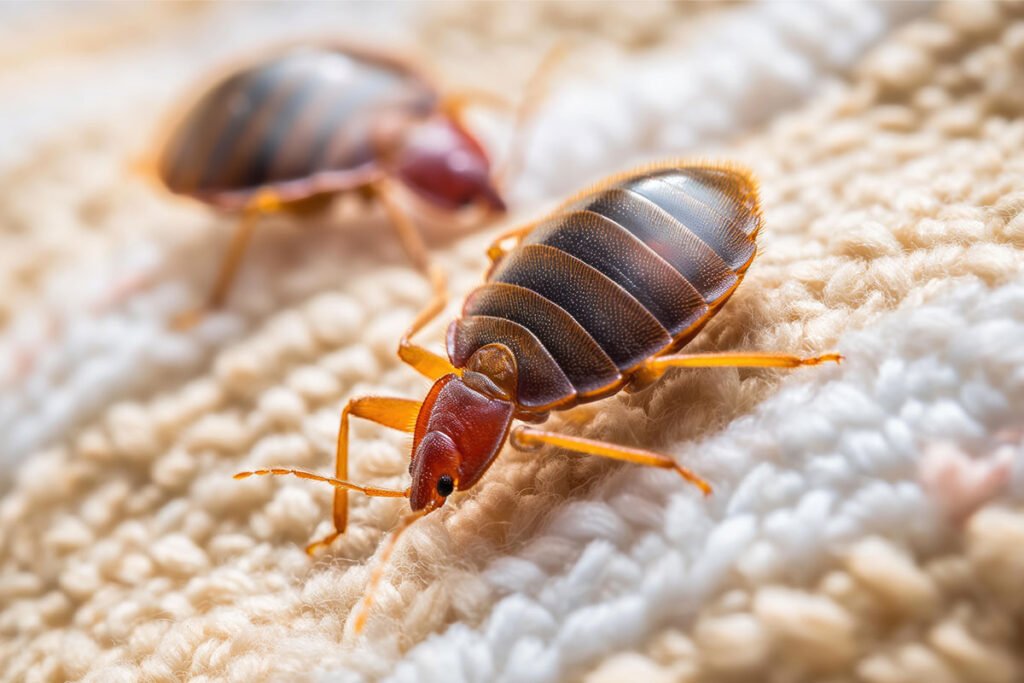
German cockroaches are among the most troublesome indoor pests found in homes, apartments, restaurants, commercial kitchens, offices, and food-handling environments. Their small size, rapid breeding cycle, and ability to hide in narrow spaces can make an infestation difficult to manage without a proper treatment plan.
For property owners searching for German Cockroach Control Sydney, early action is important. A small infestation can grow quickly, especially in warm indoor areas where food, moisture, and shelter are readily available. Kitchens, pantries, laundries, appliance cavities, cupboards, drains, and food preparation zones often provide the conditions these cockroaches need to survive.
German cockroach control is not simply about spraying visible insects. Effective treatment usually involves inspection, targeted control methods, sanitation, moisture reduction, monitoring, and follow-up where necessary.
This guide explains how to identify German cockroaches, why they spread so easily, where they hide, how professional treatment works, and what Sydney homeowners and businesses can do to reduce the risk of recurring infestations.
What Are German Cockroaches?
German cockroaches are small indoor cockroaches that commonly live close to people.
They are usually light brown to tan and are known for two darker parallel markings behind the head. Adults are relatively small compared with some other cockroach species commonly found around buildings.
Their size allows them to hide inside tiny gaps around cupboards, appliances, plumbing, wall cavities, hinges, electrical equipment, and furniture.
German cockroaches prefer warm, humid environments with easy access to food and water.
This is one reason kitchens are a common infestation area.
Unlike some larger cockroach species that may enter buildings from outdoor environments, German cockroaches are strongly associated with indoor living and can spread between rooms, apartments, businesses, and buildings through transported goods and shared service areas.
Correct identification matters because control methods should be selected according to the species and infestation conditions.
Why German Cockroach Control Sydney Is Important
German cockroaches are more than an unpleasant sight.
They can move through rubbish, drains, food preparation areas, cupboards, and other unsanitary locations before travelling across surfaces where food is stored or prepared.
They may contaminate surfaces and food materials through their movement, droppings, and body fragments.
Cockroach allergens can also contribute to indoor health concerns for some people, particularly where infestations are heavy.
For businesses, the impact can extend beyond hygiene.
Restaurants, cafés, commercial kitchens, food manufacturers, accommodation providers, and other customer-facing premises may suffer reputational damage if cockroaches are seen.
A visible German cockroach during daytime hours can also indicate a significant hidden population, although infestation size should be confirmed through inspection.
Professional German Cockroach Control Sydney focuses on locating breeding and harbourage areas rather than treating only the insects that happen to be visible.
Why German Cockroaches Are Difficult to Control
German cockroaches can be challenging because they reproduce quickly and hide extremely well.
Most of the population may remain concealed during the day.
This means seeing one or two cockroaches does not necessarily represent the full size of the infestation.
They can hide in cracks only a few millimetres wide.
Common hiding areas include behind refrigerators, under dishwashers, inside cupboards, beneath sinks, around plumbing penetrations, near motors, and within warm electrical equipment.
Food requirements can also be surprisingly small.
Crumbs beneath appliances, grease residue, food spills, pet food, rubbish, and unsealed pantry products can provide enough nutrition to support an infestation.
Water is equally important.
Leaking taps, condensation, wet sinks, damp cloths, and water around appliances can support cockroach activity.
Successful treatment therefore needs to address the environment as well as the insects themselves.
Common Signs of a German Cockroach Infestation
One of the most obvious signs is seeing live cockroaches.
German cockroaches are generally more active at night, so homeowners may notice them when switching on the kitchen light late in the evening.
Other signs can include small dark droppings around cupboards, drawers, hinges, appliances, and food preparation areas.
Egg cases may also be found in protected locations.
A strong or unusual odour can occur in heavier infestations.
Property owners may also notice increasing activity around warm appliances.
Important signs can include:
- Live cockroaches at night
- Cockroaches visible during the day
- Small dark droppings
- Egg cases
- Activity inside cupboards
- Cockroaches behind refrigerators
- Movement around dishwashers
- Activity near food storage
- Cockroaches around sinks and plumbing
- Repeated sightings after cleaning
Early inspection can help determine the extent of the problem before the population becomes more difficult to control.
Where German Cockroaches Hide
Finding harbourage areas is one of the most important parts of German cockroach control.
Kitchens usually receive the most attention because they provide heat, water, food, and many small hiding spaces.
Areas behind refrigerators are especially attractive because appliance motors generate warmth and the location is often rarely disturbed.
Dishwashers, ovens, microwaves, coffee machines, and other electrical equipment can also provide suitable harbourage.
Under-sink cupboards are another common location because of plumbing and moisture.
Cockroaches may hide around drawer runners, hinges, cupboard joints, shelving gaps, and wall penetrations.
In commercial properties, activity may extend behind benches, inside equipment, near floor drains, around storage racks, and throughout service areas.
German cockroaches can also move beyond kitchens when populations increase.
Bathrooms, laundries, staff rooms, offices, and storage areas may all become affected.
Why Cockroaches Keep Coming Back
Recurring infestations often indicate that one or more contributing factors have not been addressed.
A treatment may kill many cockroaches, but surviving insects or newly hatched young can rebuild the population.
Hidden egg cases can be another reason activity continues after initial treatment.
Poor sanitation can also support recurrence.
This does not necessarily mean a property is obviously dirty. Small amounts of food residue in hidden areas may still provide enough food for cockroaches.
Neighbouring properties can also play a role.
In apartment buildings and connected commercial premises, German cockroaches may travel through service penetrations, shared walls, plumbing routes, or transported items.
Another common problem is treating only visible areas.
If products are applied to floors and open surfaces but not near harbourage zones, much of the population may remain unaffected.
Long-term control requires inspection, targeted treatment, monitoring, and environmental management.
Professional German Cockroach Inspection
A professional inspection helps determine where cockroaches are living and how widespread the infestation has become.
Technicians usually focus on areas where food, moisture, heat, and shelter are concentrated.
They may inspect underneath and behind appliances, inside cupboards, around sinks, near plumbing, along wall edges, and within cracks.
Monitoring traps may be used to identify areas of higher activity.
The pattern of captures can help determine where treatment should be concentrated.
Technicians may also examine sanitation conditions, leaks, structural gaps, waste storage, and food storage practices.
In commercial environments, an inspection may extend to delivery areas, storage rooms, preparation zones, staff facilities, and machinery.
The objective is to understand the infestation rather than simply confirm that cockroaches are present.
A detailed inspection allows control products to be placed where they are most likely to contact the population.
How German Cockroach Control Sydney Works
Professional German Cockroach Control Sydney usually combines multiple methods rather than relying on a single treatment.
Gel baits are commonly used because they can be placed close to harbourage areas with minimal disruption.
Cockroaches consume the bait and may carry residues back into hiding areas through normal interaction within the population.
Residual products may also be used where appropriate and according to product labels.
Dust formulations can sometimes be applied in suitable voids or cracks that are difficult to treat using liquid products.
Monitoring traps provide information about ongoing activity.
Sanitation and moisture management are also important parts of the program.
For larger infestations, follow-up treatments may be necessary.
The exact treatment plan depends on infestation severity, property type, food-handling requirements, occupant considerations, access, and previous control attempts.
German Cockroach Gel Bait Treatment
Gel bait has become an important tool in modern cockroach management.
The product is applied in small placements near areas where cockroaches hide or travel.
Rather than covering large visible surfaces, technicians aim to place bait strategically.
Common locations may include cupboard corners, hinges, cracks, appliance areas, and other protected spaces.
Bait works best when cockroaches have limited access to competing food sources.
This makes cleaning especially important.
If crumbs, grease, pet food, or uncovered waste remain readily available, cockroaches may be less likely to feed on bait.
Residents should also avoid applying household sprays around bait placements unless advised otherwise.
Some spray products may discourage cockroaches from approaching treated bait areas.
Professional placement and ongoing monitoring can improve the effectiveness of a bait-based program.
Residual Cockroach Treatments
Residual insecticides may be used as part of some German cockroach treatment programs.
These products are designed to remain active on selected treated surfaces for a period of time.
However, broad spraying alone is rarely the best strategy for a German cockroach infestation.
Cockroaches often remain hidden deep inside cracks, cupboards, appliances, and voids where surface sprays may have limited impact.
Some products can also interfere with baiting programs if used incorrectly.
For this reason, technicians choose where and how residual products are applied carefully.
Food preparation areas require particular attention because treatments must follow label requirements and appropriate safety procedures.
Residents and business operators should follow instructions regarding preparation, access, cleaning, and re-entry where applicable.
Professional treatment should always be based on the specific environment rather than a one-size-fits-all spray approach.
The Role of Monitoring Traps
Sticky monitoring traps are useful because they provide information that is difficult to obtain through visual inspection alone.
Traps can be placed in areas such as beneath appliances, inside cupboards, near sinks, or along wall edges.
Cockroaches entering the trap become captured, allowing activity to be measured over time.
A trap with multiple cockroaches may indicate a nearby harbourage area.
Monitoring can also help technicians evaluate whether treatment is working.
If trap counts decline significantly after treatment, the program is moving in the right direction.
Continued activity in one location may indicate that a hidden source still needs attention.
Monitoring traps are not generally enough to eliminate a significant infestation on their own.
Instead, they are an important diagnostic and management tool within a broader control program.
Preparing Your Home for Cockroach Treatment
Preparation requirements vary depending on the treatment method.
Homeowners should follow the pest technician’s instructions rather than moving everything unnecessarily.
In many cases, reducing clutter and providing access to cupboards and appliances can make inspection and treatment easier.
Food should be stored securely.
Dirty dishes should be washed, and benches should be cleaned of loose food residue.
Rubbish should be removed.
Pet food should not remain available overnight unless necessary.
Leaking taps or plumbing problems should be repaired where practical.
Residents may also be asked to avoid cleaning certain treated areas immediately after service.
If gel baits have been applied, do not remove them unless instructed.
The objective of preparation is to improve access, reduce competing food and water sources, and protect sensitive items during treatment.
Kitchen Cockroach Control
Kitchens are usually the main focus of German cockroach treatment.
Food preparation naturally produces crumbs, oils, moisture, and waste.
Even well-maintained kitchens can develop hidden residue under equipment.
Pulling refrigerators and other movable appliances away from walls occasionally can reveal food debris that routine surface cleaning misses.
Cupboards should also be inspected for damaged food packaging.
Dry products such as cereal, flour, pet food, and snacks should be stored in suitable sealed containers when appropriate.
Drips beneath sinks and appliances should be repaired.
Commercial kitchens require even more detailed sanitation because equipment may operate for long hours and generate significant heat.
Cleaning beneath fixed equipment, around wheels, behind benches, and within hard-to-reach service areas can make professional treatment much more effective.
German Cockroach Control in Apartments
Apartment infestations can be particularly challenging because one unit may not be the only source.
German cockroaches can spread through shared building infrastructure.
Gaps around plumbing, electrical conduits, service penetrations, and common walls may allow movement between adjoining units.
Transported items can also introduce cockroaches into a property.
Cardboard boxes, second-hand appliances, furniture, bags, and food deliveries can potentially carry insects or egg cases.
If one apartment receives treatment while nearby infestations remain uncontrolled, reinfestation may occur.
This is why building-wide coordination can sometimes be necessary.
Residents should report activity early rather than waiting until the infestation becomes severe.
Property managers may need to assess neighbouring units and common areas when recurring problems affect multiple apartments.
German Cockroach Control for Restaurants
Restaurants present ideal conditions for German cockroaches if hygiene and pest management are not carefully maintained.
Food is available every day, equipment generates heat, sinks provide moisture, and kitchens contain numerous cracks and concealed spaces.
Professional pest management should therefore be proactive rather than purely reactive.
Regular inspections and monitoring can identify low-level activity before customers or staff begin seeing cockroaches.
Cleaning needs to extend beyond visible benches.
Areas beneath cooking equipment, refrigerators, shelving, counters, and dishwashing stations deserve attention.
Grease build-up should be managed carefully.
Food waste should be removed promptly, and rubbish areas should remain organised.
Deliveries should also be checked where practical, particularly cardboard packaging that may have travelled through multiple warehouses or facilities.
A documented pest management program can help businesses maintain consistent control procedures.
Cockroach Control in Cafés and Commercial Kitchens
Cafés may look relatively simple from the customer area, but behind the counter there can be many attractive harbourage locations.
Coffee machines, refrigerators, ice machines, dishwashers, sinks, and food display equipment provide warmth and moisture.
Small food particles can collect beneath equipment or inside cabinetry.
German cockroaches can exploit very small gaps around these areas.
Technicians may focus bait placements around the equipment without interfering with food preparation.
Cleaning procedures should complement treatment.
Staff should know which areas need daily attention and which deeper cleaning tasks should be scheduled regularly.
Moving equipment where safe and practical can help expose hidden food residue.
A coordinated approach between cleaning teams and pest professionals is generally more effective than relying on emergency treatments after visible cockroach activity appears.
Cockroach Control in Offices
Offices can also experience German cockroach infestations, particularly where staff kitchens and break rooms are present.
Shared refrigerators, microwaves, coffee machines, sinks, and rubbish bins create many of the same conditions found in residential kitchens.
Food stored inside desks can spread activity beyond kitchen areas.
Employees may also introduce cockroaches unintentionally through bags, deliveries, boxes, or appliances.
Office pest control should therefore include staff food areas and storage spaces.
Cleaning beneath appliances and controlling food waste are important preventive measures.
For large office buildings, facility managers may benefit from scheduled monitoring.
Early detection can prevent an infestation from spreading between floors or departments.
Why DIY Cockroach Sprays Often Fail
Household aerosol sprays can kill cockroaches that are directly exposed.
The problem is that visible insects may represent only a small part of the population.
German cockroaches hiding inside cupboards, appliance cavities, voids, and cracks can remain unaffected.
Heavy use of repellent sprays may also push cockroaches into different hiding areas.
In some situations, household spraying around professional gel bait can reduce bait effectiveness by discouraging insects from feeding near treated locations.
Another common mistake is spraying without addressing food and water sources.
Even after many visible cockroaches are killed, favourable conditions remain available for survivors.
DIY products may have a role in minor pest management when used according to their labels, but established German cockroach infestations often require a more systematic approach.
How Long Does German Cockroach Treatment Take?
There is no universal treatment period.
A light infestation identified early may be controlled more quickly than a large population established across multiple rooms.
Factors that affect treatment time include infestation size, sanitation, access to harbourage areas, neighbouring infestations, product choice, food availability, moisture, and previous DIY treatments.
Cockroach egg cases also contribute to ongoing activity because newly hatched insects may appear after the initial treatment.
For this reason, customers should not assume that seeing a small number of cockroaches shortly after service automatically means the treatment failed.
Monitoring and follow-up may be required.
Professional pest technicians can explain what level of activity to expect and when additional service should be considered.
How Much Does German Cockroach Control Cost in Sydney?
The cost of professional pest control varies according to the property and infestation.
A small residential kitchen with low-level activity is different from a heavily infested restaurant requiring repeated visits.
Pricing can depend on factors such as property size, number of affected rooms, infestation severity, treatment methods, access conditions, follow-up requirements, and whether ongoing pest management is required.
Commercial properties may need customised service plans.
Sydney property owners should request a clear explanation of what is included in the treatment.
Ask whether the price covers inspection, treatment, monitoring, follow-up, and recommendations.
Choosing only by the cheapest quote may not provide the best value if the service does not address hidden harbourage areas or include appropriate follow-up.
How to Prevent German Cockroaches
Prevention focuses on reducing access to food, water, and shelter while limiting opportunities for cockroaches to enter or spread.
Kitchen benches should be wiped after food preparation.
Food debris under appliances should be removed during deeper cleaning.
Dry food should be stored appropriately, and damaged packaging should be discarded.
Rubbish bins should be emptied regularly.
Pet feeding areas should remain clean.
Water leaks need prompt attention.
Clutter, particularly cardboard stored close to kitchen areas, can create additional hiding places.
Second-hand kitchen appliances should be inspected carefully before being brought indoors.
Gaps around plumbing and service penetrations can also be sealed where appropriate.
Prevention does not guarantee that cockroaches will never enter, but it makes the environment less supportive and improves the effectiveness of professional control.
Why Cleaning Alone May Not Eliminate Cockroaches
A clean property can still experience a cockroach infestation.
German cockroaches may be introduced in boxes, appliances, furniture, bags, or deliveries.
Apartment residents may also be affected by activity originating from nearby units.
Once cockroaches become established, they can survive on very small amounts of food.
Cleaning is therefore necessary but may not be sufficient.
Its main value within a control program is reducing alternative food and water sources.
This can make targeted baiting more effective while removing conditions that support population growth.
Deep cleaning should focus on hidden areas, not just visible benches and floors.
Under appliances, behind shelving, cupboard corners, and grease accumulation points deserve attention.
Combining sanitation with targeted treatment produces a more complete control strategy.
When to Call a Professional Pest Controller
Professional assistance should be considered when cockroaches are seen repeatedly, when activity continues after DIY treatment, or when the infestation affects several areas.
Seeing numerous cockroaches during daylight hours can indicate significant activity and should be investigated.
Businesses handling food should respond particularly quickly because even low-level cockroach activity can create hygiene and reputation concerns.
Apartment residents may also need professional support when the problem appears to involve neighbouring properties.
A technician can identify the species, locate key harbourage areas, select suitable treatments, and establish monitoring.
The sooner an established German cockroach infestation is addressed, the easier it may be to manage compared with allowing the population to spread throughout the property.
Choosing a German Cockroach Control Sydney Provider
Selecting the right pest control company involves more than comparing prices.
Look for an appropriately licensed pest management professional operating according to applicable NSW requirements.
Ask whether the company has experience specifically with German cockroaches.
Treatment should involve inspection and targeted management rather than simply spraying visible surfaces.
A reliable provider should be able to explain what products or methods may be used, what preparation is required, and whether follow-up is likely.
For commercial customers, ask about monitoring programs, service reports, scheduled inspections, and documentation.
Property owners should also understand any warranty or service conditions before treatment begins.
The best provider should focus on identifying the source of activity and creating a realistic control plan rather than making unrealistic promises about permanent elimination from a single visit.
The Importance of Follow-Up
Follow-up can be essential for established German cockroach infestations.
The first treatment may substantially reduce adult and juvenile populations, but activity can continue as hidden insects emerge or eggs hatch.
Monitoring helps determine where remaining activity is concentrated.
Additional bait placements or treatment adjustments may then be made.
Customers also have an important role between visits.
Cleaning recommendations, food storage, rubbish management, leak repairs, and reduction of clutter should be maintained.
Ignoring these measures can slow the control process.
In apartments and commercial buildings, follow-up may also reveal that activity is being reintroduced from another area.
Successful long-term management often involves repeated assessment rather than treating pest control as a single isolated event.
Conclusion
German Cockroach Control Sydney requires a targeted approach because German cockroaches breed quickly, hide effectively, and can survive on small amounts of food and water.
Kitchens, restaurants, cafés, apartments, offices, and commercial food environments provide many potential harbourage locations.
Effective treatment starts with identifying where cockroaches are living.
Gel baits, monitoring traps, appropriate residual treatments, crack and void treatments, sanitation, moisture control, and follow-up can all contribute to a professional management program.
Property owners should also reduce food residue, repair leaks, clean beneath appliances, manage rubbish, inspect transported items, and reduce clutter.
DIY sprays may kill visible insects but often fail to reach the larger hidden population.
For recurring or established infestations, working with a qualified pest management professional can provide a more systematic approach.
Early action, accurate identification, careful treatment, and ongoing prevention provide the strongest foundation for controlling German cockroaches and reducing the chance of future infestations.
Frequently Asked Questions
What is German Cockroach Control Sydney?
German Cockroach Control Sydney refers to professional pest management services designed to identify, treat, monitor, and prevent German cockroach infestations in Sydney homes and businesses.
How can I identify a German cockroach?
German cockroaches are relatively small, usually light brown or tan, and typically have two darker parallel stripes behind the head. A pest professional can confirm the species if identification is uncertain.
Why are German cockroaches so difficult to eliminate?
They reproduce quickly, hide in very small spaces, and can survive on small amounts of food and moisture. Much of the population may remain hidden behind appliances, inside cupboards, and within cracks.
Where do German cockroaches usually hide?
Common areas include behind refrigerators, beneath dishwashers, inside cupboards, under sinks, around plumbing, near food preparation equipment, and in warm electrical appliances.
Does seeing one German cockroach mean there are more?
Possibly. German cockroaches spend much of their time hidden, so a visible insect may indicate additional activity. An inspection can help determine the extent of the infestation.
Why do I still see cockroaches after treatment?
Some activity can continue as hidden cockroaches emerge or eggs hatch. The expected timeline depends on infestation severity and treatment method. Follow-up monitoring may be necessary.
Are gel baits effective for German cockroaches?
Gel baits are commonly used by pest professionals because they can be placed close to cockroach harbourage areas. Their effectiveness depends on correct placement, sanitation, infestation conditions, and avoiding competing food sources.
Can cleaning get rid of German cockroaches?
Cleaning is important but may not eliminate an established infestation by itself. Cockroaches can remain hidden and survive on small amounts of food. Sanitation is most effective when combined with targeted pest treatment.
How can restaurants prevent German cockroach infestations?
Restaurants should maintain thorough cleaning, control food and grease residue, remove waste regularly, repair leaks, inspect deliveries, reduce clutter, and use ongoing pest monitoring where appropriate.
Can German cockroaches spread between apartments?
Yes. In multi-unit buildings, they may move through service penetrations, plumbing areas, shared walls, or transported belongings. Treating multiple affected units may sometimes be necessary.
How much does German cockroach pest control cost in Sydney?
Pricing varies according to infestation severity, property size, access, treatment method, and follow-up requirements. A professional inspection or detailed quote provides a more accurate estimate.
When should I call a professional for German cockroaches?
Professional help is recommended when cockroaches are repeatedly seen, DIY treatments have failed, multiple rooms are affected, daytime sightings become common, or the infestation occurs in a food-related business.