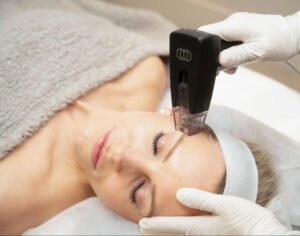
When considering Tummy tuck Dubai, one of the most important stages takes place before the surgery itself: the assessment of the abdominal skin. A tummy tuck is not planned simply by deciding how much skin should be removed. Surgeons carefully examine the quality, elasticity, distribution, and condition of the skin to determine how the abdominal area can be reshaped according to the patient’s individual anatomy.
Every person’s abdomen is different. Pregnancy, significant weight changes, ageing, genetics, and previous surgery can all affect the appearance and flexibility of abdominal skin. For this reason, a personalised assessment is essential when developing a treatment plan.
For patients researching the Best tummy tuck Dubai, understanding how surgeons evaluate the skin can provide a clearer picture of what happens during consultation. Dr. Shahram Sajjadi can assess the abdominal area in detail and use this information to develop an approach suited to the patient’s body shape and aesthetic objectives.
Why Is Abdominal Skin Assessment Important?
The abdominal skin forms the outer layer of the stomach area and plays a major role in its overall contour. When skin has been stretched significantly, it may not return completely to its previous shape.
A surgeon therefore needs to determine how much loose or excess skin is present and where it is located. This assessment helps establish the appropriate extent of tissue removal and how the remaining skin can be repositioned.
The evaluation also considers the relationship between the skin and underlying abdominal structures. Looking at these elements together gives the surgeon a more complete understanding of the abdomen.
Rather than applying the same treatment plan to every patient, the surgeon can tailor the procedure according to individual findings.
What Does a Surgeon Look for During the Assessment?
During a tummy tuck consultation, the surgeon may examine several characteristics of the abdominal skin, including:
- Amount of excess skin
- Skin elasticity
- Location of loose tissue
- Stretch marks
- Skin folds
- Previous scars
- Overall abdominal contour
- Relationship between upper and lower abdominal skin
The abdomen is generally assessed from multiple angles because the distribution of excess skin may not be obvious when viewed only from the front.
This detailed examination allows the surgeon to understand how the skin behaves and how it may respond to surgical reshaping.
How Is Skin Elasticity Evaluated?
Skin elasticity refers to the skin’s ability to stretch and return toward its original position.
During consultation, the surgeon may gently examine the skin to evaluate its flexibility and recoil. The degree of laxity can provide useful information about how much excess tissue is present.
Skin with substantial laxity may require a different surgical approach from skin that has relatively good elasticity but a smaller amount of localised excess.
Age, genetics, pregnancy, and changes in body weight can all influence skin elasticity, so there is considerable variation between patients.
Does Age Affect Abdominal Skin Assessment?
Age can influence the natural characteristics of the skin.
As people age, changes in collagen and elastin can affect skin firmness and elasticity. However, chronological age alone does not determine whether someone is suitable for a tummy tuck or what surgical approach should be used.
The surgeon evaluates the actual condition of the patient’s skin rather than relying solely on age.
Two people of the same age can have significantly different skin characteristics, while people of different ages may have similar levels of abdominal skin elasticity.
How Does Pregnancy Change Abdominal Skin?
Pregnancy is one of the common reasons patients consider tummy tuck surgery.
As the abdomen expands during pregnancy, the skin can stretch considerably. After childbirth, some of this stretched skin may remain loose or develop folds that do not respond significantly to diet or exercise.
The surgeon evaluates where this excess skin is concentrated and how much elasticity remains.
Pregnancy can also affect the underlying abdominal wall, so the skin assessment is usually considered alongside an evaluation of the abdominal muscles.
What Happens to Skin After Significant Weight Loss?
Major weight loss can leave behind excess abdominal skin.
When the body becomes smaller after substantial weight reduction, previously stretched skin may not contract enough to match the new body contours. The resulting loose tissue can extend across the lower abdomen and sometimes toward the sides.
During a consultation for Tummy tuck dubai, the surgeon evaluates the amount and distribution of this excess tissue.
Patients who have recently lost a significant amount of weight may also be advised to reach a stable weight before undergoing body-contouring surgery, depending on their individual circumstances.
How Are Stretch Marks Considered?
Stretch marks, also called striae, commonly occur when skin stretches rapidly.
They may appear during pregnancy, periods of significant weight gain, or other changes in body size. Their location can provide information about which areas of skin have experienced stretching.
If stretch marks are located on skin that is removed during a tummy tuck, some of them may be removed along with that tissue. However, stretch marks outside the area of planned skin removal remain.
The surgeon can explain what may be affected during the consultation based on the location of the marks.
How Are Existing Scars Evaluated?
Previous abdominal surgery can leave scars that need to be considered during tummy tuck planning.
The surgeon will typically ask about previous procedures and examine any existing scars. Their location, length, and direction may influence how the new incision and tissue repositioning are planned.
This is particularly relevant for patients who have previously undergone procedures involving the abdomen or lower torso.
A complete medical and surgical history gives the surgeon the information needed to develop an appropriate plan.
Why Is the Distribution of Loose Skin Important?
Not all excess abdominal skin is distributed evenly.
Some patients have most of their loose skin below the belly button, while others have excess tissue extending across the upper and lower abdomen. Some may also have loose skin continuing toward the flanks.
The location of the excess tissue can influence the surgical approach.
For example, a patient whose concerns are mainly concentrated in the lower abdomen may be assessed differently from someone with more extensive skin laxity.
This is one of the reasons why a physical examination is essential before deciding which type of tummy tuck may be appropriate.
How Is the Upper Abdomen Assessed?
The upper abdomen is examined to determine the amount of skin laxity and how it relates to the lower abdominal tissue.
The surgeon may assess how the skin moves when the patient changes position and whether there are visible folds or areas of looseness.
The upper abdomen also needs to be considered in relation to the waist and ribcage because changes to one area can affect overall body proportions.
A comprehensive evaluation helps the surgeon create a more balanced treatment plan.
How Is the Lower Abdomen Assessed?
The lower abdomen is often an important focus during tummy tuck planning because this is where excess skin may accumulate following pregnancy or weight loss.
The surgeon assesses the amount of tissue below the belly button and determines how it relates to the rest of the abdominal skin.
The lower abdominal area is also considered when planning incision placement and determining how much skin can be removed while maintaining appropriate proportions.
Why Does the Belly Button Matter?
The belly button is an important anatomical feature when planning a tummy tuck.
If a significant amount of abdominal skin is removed, the relationship between the belly button and surrounding skin changes. Depending on the surgical technique, the belly button may need to be repositioned within the newly contoured abdominal area.
The surgeon considers its existing position, shape, and relationship with the abdomen during planning.
This helps ensure that the belly button is incorporated into the overall abdominal design rather than treated as a separate feature.
How Does Body Shape Influence Skin Assessment?
Body shape is an essential consideration when evaluating abdominal skin.
The surgeon may examine the waist, hips, flanks, ribcage, and abdomen together. This helps determine how the abdominal skin fits into the patient’s overall proportions.
For instance, a person with wider hips and a defined waist may require a different contouring strategy from someone with a relatively straight torso.
The purpose of the assessment is not simply to make the abdomen smaller. Instead, it is to create an abdominal contour that fits naturally with the rest of the body.
What Role Does Skin Thickness Play?
Skin thickness and the amount of underlying soft tissue can affect how the abdomen looks and how it is planned for surgery.
The surgeon may evaluate the thickness of the skin and the tissue underneath it when determining the appropriate approach.
This can also help distinguish between concerns primarily related to excess skin and those involving the distribution of fatty tissue.
Understanding these differences allows the surgeon to create a more comprehensive treatment plan.
Can Skin Assessment Determine the Type of Tummy Tuck?
Yes, the assessment can help determine which form of abdominoplasty may be appropriate.
A full tummy tuck may be considered when excess skin and abdominal changes extend across a larger area. A mini tummy tuck may be more appropriate when concerns are concentrated primarily in the lower abdomen.
The choice should be based on physical examination rather than simply selecting a procedure based on its name.
The surgeon considers the amount of excess skin, its location, abdominal structure, body proportions, and the patient’s objectives before recommending an approach.
How Does Dr. Shahram Sajjadi Assess Abdominal Skin?
Patients considering Tummy tuck Dubai may want to understand how their individual anatomy will be incorporated into treatment planning.
Dr. Shahram Sajjadi can assess the abdomen during consultation, paying attention to skin laxity, tissue distribution, body proportions, and previous changes such as pregnancy or weight loss.
The consultation provides an opportunity to discuss the areas that concern you and understand how those areas relate to the proposed surgical approach.
For people researching the Best tummy tuck dubai, this personalised assessment is an important part of choosing an appropriate treatment plan.
What Should You Tell Your Surgeon During Consultation?
Patients should provide their surgeon with a complete history of changes affecting the abdomen.
Important information may include previous pregnancies, major weight fluctuations, previous abdominal procedures, existing scars, and the areas of the abdomen they would most like to improve.
It is also useful to explain whether your weight has been stable and whether you have specific expectations about the shape or contour of your abdomen.
Open communication helps the surgeon understand both the physical characteristics of the abdomen and the patient’s personal goals.
How Are Skin Changes Compared When Standing and Sitting?
The abdomen can look different depending on body position.
A surgeon may assess the skin while the patient is standing and may also observe how it behaves when sitting or changing position. This can provide additional information about the location and movement of loose tissue.
Standing allows the surgeon to evaluate the overall body contour, while changes in position can reveal folds and laxity that may be less apparent when standing.
These observations contribute to the overall assessment before surgery.
Why Is a Personalised Assessment Better Than Standard Measurements?
Standard measurements alone cannot fully describe the characteristics of abdominal skin.
Two patients may have similar waist measurements but completely different skin elasticity, tissue distribution, and abdominal structure.
A physical assessment allows the surgeon to combine measurements with visual and structural observations.
This comprehensive approach makes it possible to design the procedure around the patient’s actual anatomy.
What Happens After the Skin Assessment?
After evaluating the abdomen, the surgeon discusses the findings with the patient.
This may include the amount of skin that appears suitable for removal, the proposed incision, the type of tummy tuck being considered, and whether additional contouring may be appropriate.
The surgeon can also explain what the recovery process may involve and provide instructions for preparing for surgery.
Patients should feel comfortable asking questions at this stage so they understand the proposed plan before making a decision.
Why Is Stable Weight Important Before Tummy Tuck Surgery?
Body weight can influence the amount of abdominal skin and the overall body contour.
If a patient is still undergoing major weight changes, the abdominal shape may continue to change. For this reason, surgeons may discuss achieving and maintaining a stable weight before surgery when appropriate.
A stable weight can make it easier to assess the existing skin and develop a treatment plan based on a more consistent body shape.
How Should Patients Prepare for Their Consultation?
Preparing for a consultation can help make the appointment more productive.
Consider making a list of your main concerns and the changes you would like to discuss. You should also be prepared to provide information about previous surgeries, pregnancies, significant weight changes, and relevant medical history.
You can ask the surgeon to explain why a particular tummy tuck approach is being recommended for your body shape.
Understanding the reasoning behind the surgical plan can help you make a more informed decision.
Conclusion
The assessment of abdominal skin is a fundamental part of planning Tummy tuck Dubai. Surgeons consider much more than the amount of loose skin. They examine elasticity, thickness, stretch marks, existing scars, the location of excess tissue, body proportions, and the relationship between the skin and underlying abdominal structures.
Pregnancy, significant weight loss, ageing, and previous surgery can all influence the condition of abdominal skin. By evaluating these factors together, the surgeon can determine which approach may best suit the patient’s anatomy and goals.
For patients exploring the Best tummy tuck Dubai, a detailed consultation with Dr. Shahram Sajjadi can provide a personalised assessment and help explain how the abdominal skin and overall body shape will be considered when planning the procedure.
Frequently Asked Questions
How do surgeons assess abdominal skin before a tummy tuck?
Surgeons examine the amount, location, elasticity, thickness, and movement of abdominal skin. They may also assess stretch marks, existing scars, body proportions, and the underlying abdominal structure.
Does skin elasticity affect tummy tuck planning?
Yes. Skin elasticity helps the surgeon understand how much excess tissue is present and how the remaining skin may be repositioned during surgery.
Does pregnancy affect abdominal skin?
Pregnancy can stretch the abdominal skin and may leave loose tissue after childbirth. The surgeon considers the extent and location of this change during consultation.
Can a tummy tuck remove loose skin after weight loss?
Yes. Tummy tuck surgery may be considered for excess abdominal skin following significant weight loss. The surgical approach depends on the amount and distribution of the remaining tissue.
Are stretch marks considered during the consultation?
Yes. The surgeon can examine their location and explain whether some stretch marks are located within the skin planned for removal.
Do previous abdominal scars affect tummy tuck planning?
They can. Existing scars are assessed because their position and characteristics may need to be considered when planning the new incision and tissue repositioning.
Does the surgeon examine the abdomen from different angles?
Yes. Viewing the abdomen from the front, sides, and profile can provide a more complete understanding of skin laxity and overall body proportions.
Can skin assessment determine whether I need a full or mini tummy tuck?
The assessment can help. The location and extent of excess skin are among the factors used to determine whether a full or mini tummy tuck may be appropriate.
Why is the belly button assessed before a tummy tuck?
The belly button is an important part of abdominal proportions. Its position and appearance are considered when planning how the abdominal skin will be repositioned.
Does age determine the condition of abdominal skin?
Not by itself. Age can influence skin elasticity, but individual skin characteristics vary considerably, so the surgeon assesses the actual condition of the patient’s abdomen.
How does body shape affect tummy tuck planning?
The surgeon considers the abdomen alongside the waist, hips, flanks, and torso. This helps create a surgical plan that suits the patient’s overall proportions.
What should I tell Dr. Shahram Sajjadi during a tummy tuck consultation?
Discuss your main concerns, previous pregnancies, significant weight changes, previous abdominal procedures, existing scars, current weight stability, and the type of abdominal contour you hope to achieve.
How do I find the best tummy tuck option in Dubai?
Begin with a consultation with a suitably qualified plastic surgeon who can physically assess your abdominal skin, discuss your goals, and explain which tummy tuck approach is appropriate for your individual anatomy.