Car wraps have become a favored method for altering a vehicle’s look without the need for a long-term paint job.
Whether you’re a business owner aiming to turn your fleet into a mobile advertising tool or a car lover seeking a fresh, eye-catching style, vinyl wraps provide a versatile, budget-friendly, and temporary solution.This guide covers everything you need to understand about car wraps—what they are, the types available, their benefits, cost considerations, and what you can expect during the installation process.
What Is a Car Wrap?
A car wrap is a big sheet of vinyl film that is applied onto the outside of a vehicle.
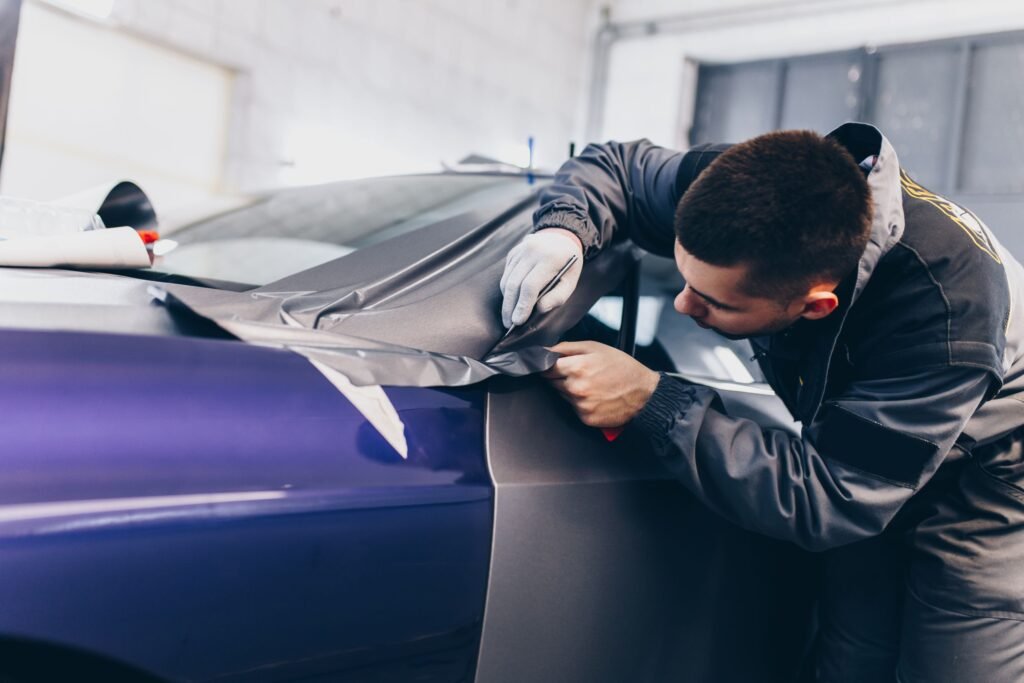
Professional installers use heat, pressure, and skill to stretch and shape the vinyl around all the curves, edges, and panels of the car, resulting in a smooth, flawless finish that resembles paint.Wraps can cover the entire vehicle (a full wrap) or only certain parts, like the hood, roof, or side panels (a partial wrap).
Unlike paint, which chemically sticks to the car’s body, a wrap sits on top of the factory paint as a protective and aesthetic layer.
This means it can be taken off later, revealing the original paint beneath in the same condition it was in before the wrap was applied—providing the installation and removal are done properly.
Types of Car Wraps
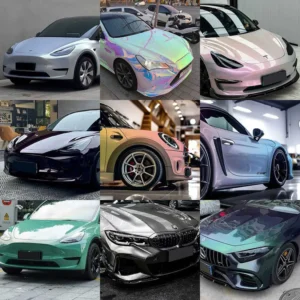
Color change wraps are the most widely used type.
These wraps completely change the color of a vehicle, whether going from white to matte black, adding a chrome finish, or choosing a color not available from the factory.Popular options include gloss, matte, satin, metallic, chrome, and color-shifting, which changes color depending on the angle of light and viewing angle.
Printed or graphic wraps are custom-made and often used for advertising.
Companies apply these to their vehicles to display logos, contact details, and branded graphics, transforming them into moving advertising tools.These wraps are printed digitally onto vinyl before being laminated and applied.
Partial wraps cover only part of the car, such as a racing stripe, roof, or mirror caps.
These are an economical way to add style or highlight specific design features without wrapping the entire vehicle.
Textured wraps imitate materials like carbon fiber, brushed metal, or wood grain, offering a unique, premium appearance typically used for interior trim or exterior accents.
Paint protection film (PPF), while technically different from decorative vinyl wraps, is also worth noting.
It is a clear, tough film that is applied to protect the paint from rock chips, scratches, and road debris.It is often used along with color wraps to enhance both style and protection.
Benefits of Wrapping a Car
One of the key advantages of a car wrap is that it provides paint protection.
The vinyl acts as a barrier against minor scratches, UV rays, road debris, and pollution, helping to preserve the factory paint underneath.This is especially beneficial for leased vehicles or cars that will eventually be sold, as removing the wrap reveals untouched paint.
Wraps are also much more affordable than a full paint job, especially for high-end finishes like matte or chrome, which are costly and time-consuming to achieve with traditional paint.
A high-quality wrap can deliver a similar look at a much lower cost and in a shorter time.
Reversibility is another major advantage.
If you change your mind about a color or want to switch up your vehicle’s appearance, a wrap can be removed without harming the original paint, provided it is installed and removed correctly.This makes wraps an ideal choice for those who enjoy changing their car’s look or who lease a vehicle and want to personalize it temporarily.
For businesses, wraps present a strong marketing opportunity.
A well-designed wrap works as ongoing advertising, reaching thousands of potential customers as the vehicle travels or is parked.It is often considered one of the most cost-effective advertising methods, as there are no ongoing costs after the initial wrap is applied.
Additionally, wraps offer a level of personalization that traditional paint can’t easily match.
Textures, finishes, and custom graphics allow for looks that would be hard or impossible to create using regular paint.
Cost Factors
The cost of a car wrap depends on several factors.
The size of the vehicle plays a major role — wrapping a small sedan is generally less expensive than wrapping a large SUV or truck because it requires more material and labor.The type of vinyl also affects the price; basic color-change wraps are usually cheaper than specialty finishes such as chrome, color-shifting, or textured materials.
Design complexity also influences the cost.
A simple solid color wrap can be installed more quickly than a custom-printed graphic wrap, which needs careful alignment with the car’s panels and precise cuts around body lines, door handles, and trim.Labor costs can vary depending on the region and the experience of the installer.A skilled and reputable installer may charge more, but they often provide a longer-lasting and higher-quality result.
On average, a full wrap for a standard sedan might range from a modest investment for basic vinyl to a much higher cost for premium finishes on larger vehicles.
Partial wraps are typically less expensive since they use less material and take less time to install.
The Installation Process
Professional installation usually starts with thoroughly cleaning and preparing the vehicle’s surface.
Dirt, wax, or other contaminants can prevent the vinyl from adhering properly, so this step is vital for a long-lasting result.
Next, the installer measures and cuts the vinyl to fit the vehicle’s panels.
For printed wraps, computer-aided design software is often used to ensure the graphics align perfectly with the car’s shape.
During the application, the vinyl is carefully applied panel by panel.
Installers use heat guns to soften the material so it can stretch and conform around curves, edges, and recessed areas like door handles and mirrors.Squeegees are used to remove air bubbles and ensure a strong bond.
Finally, the edges are trimmed and sealed, and the vehicle is checked for bubbles, wrinkles, or misalignment.
A quality installation should result in no visible seams or lifting edges.
Caring for a Wrapped Vehicle
To extend the life of a wrap — typically five to seven years for high-quality vinyl — it is recommended to hand wash the vehicle with mild soap instead of using automatic car washes, which can use harsh brushes.
Avoiding wax and abrasive cleaners, parking in shaded areas when possible, and promptly fixing any lifting edges will help keep the wrap looking sharp for years.
Final Thoughts
Car wraps provide an attractive mix of protection, affordability, and creative expression that traditional paint cannot match.
Whether you’re branding a business fleet or giving your personal vehicle a fresh new look, a well-executed wrap can enhance how your car looks and performs on the road — all while preserving the original paint underneath.