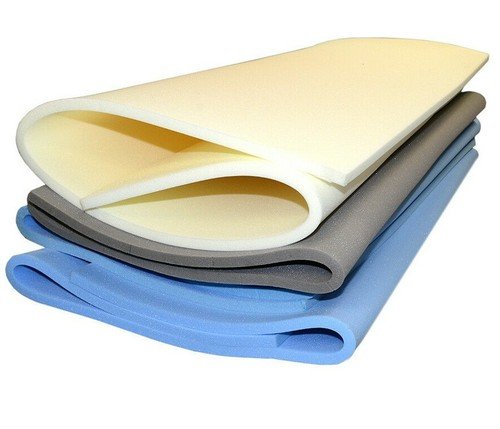
Choosing the right foam can make a major difference in the comfort, appearance, and lifespan of furniture. Whether you are restoring an old sofa, upgrading dining chairs, making custom cushions, or completing a DIY upholstery project, selecting the appropriate foam is essential. High-quality upholstery foam sheets provide the support and resilience needed to keep furniture comfortable while maintaining its shape over time.
With different densities, thicknesses, firmness levels, and applications available, it can sometimes be difficult to know which option is best. Understanding the main types of foam and their characteristics can help you make a confident decision for your furniture project.
Why Foam Quality Matters in Upholstery
The foam inside a sofa, chair, or cushion is responsible for much more than softness. It provides structural support, determines how comfortable the furniture feels, and affects how well the seat recovers after regular use.
Poor-quality foam may compress quickly, become uneven, or lose its original shape. In contrast, good-quality foam can withstand repeated pressure and continue providing reliable support for years. This makes foam selection particularly important for heavily used furniture such as family sofas, dining chairs, office seating, and window seats.
The right material should balance comfort with durability. A foam that is too soft may feel comfortable initially but can quickly become uncomfortable because it does not provide sufficient support. Very firm foam, on the other hand, may be durable but uncomfortable for prolonged sitting.
Choosing Foam for Sofas
Sofas generally require durable foam because their cushions experience frequent use. When choosing upholstery foam sheets for a sofa, consider the density and firmness rather than focusing only on thickness.
Medium to high-density foam is often suitable for sofa seating because it provides a good combination of comfort and resilience. Higher-density options are particularly useful for furniture that receives heavy daily use.
Seat cushions usually benefit from firmer foam than back cushions. Seat foam needs to support body weight without excessive compression, while back cushions can use softer materials to create a more relaxed feel.
The thickness should also match the existing cushion design. Replacing old foam with a significantly different thickness can affect the appearance of the upholstery and the overall seating position.
Best Foam Options for Chairs
Chairs come in many designs, so the ideal foam depends on how the chair is used. Dining chairs, occasional chairs, office chairs, and lounge chairs may all require different levels of support.
For dining chairs, medium-firm foam is often a practical choice. It provides enough cushioning for meals and everyday sitting without allowing the user to sink too deeply into the seat.
Lounge chairs may benefit from softer foam, particularly when relaxation is the primary purpose. Office or task chairs generally need supportive materials capable of handling extended periods of use.
When replacing chair padding, measure the seat carefully before purchasing foam. Accurate measurements help prevent gaps, bulges, or excessive compression once the upholstery fabric is installed.
Finding the Right Foam for Cushions
Cushions can require particularly careful foam selection because their size and purpose vary considerably. Decorative cushions may need soft filling, while outdoor or seating cushions generally require more resilient materials.
High-resilience foam is a popular choice for seating cushions because it quickly returns toward its original shape after pressure is removed. This helps cushions maintain a neat appearance and prevents them from becoming permanently flattened.
For custom cushions, consider the shape of the cover as well as the desired firmness. Foam that is slightly larger than the cover dimensions can sometimes create a fuller appearance, but measurements should be carefully planned to avoid distorting the fabric.
Understanding Foam Density and Firmness
Density and firmness are two different characteristics that should not be confused. Density generally relates to the weight and structure of the foam material, while firmness describes how much force is required to compress it.
A high-density foam is not necessarily extremely firm. Similarly, a soft foam can still have a useful density and perform well in certain applications.
When shopping for upholstery foam sheets, look for specifications that clearly explain density, firmness, thickness, and intended use. These details make it easier to compare products and choose material appropriate for the furniture.
For high-use seating, durability should be a major consideration. For occasional decorative furniture, comfort and appearance may be more important than maximum durability.
Foam Thickness: How Much Do You Need?
Thickness is another important factor when replacing furniture foam. Common upholstery projects can require anything from thin padding to several inches of supportive foam.
Dining chair seats may require relatively modest thickness, while deep sofa cushions often need substantially more material. The correct thickness depends on the furniture frame, cushion construction, upholstery style, and desired seating height.
Before cutting or ordering foam, measure the original cushion carefully. Take measurements at several points if the existing foam has become compressed or misshapen. This helps ensure that the replacement material is based on the original design rather than the distorted dimensions of old foam.
Cutting and Installing Foam
One advantage of foam is that it can often be cut to create custom shapes. This makes it useful for furniture restoration and DIY upholstery projects.
For clean results, measurements should be marked accurately before cutting. A sharp cutting tool can help produce smoother edges, while templates can be useful for unusual shapes.
Once cut, the foam can be placed inside the upholstery cover. Some projects may benefit from wrapping the foam in a suitable layer of batting or cushioning material. This can improve the appearance of the finished piece by softening edges and reducing the visibility of foam beneath the fabric.
Proper installation is just as important as choosing the right material. A high-quality foam product can still produce poor results if it is incorrectly measured, cut, or fitted.
Maintaining Upholstered Furniture
Even the best foam benefits from proper furniture care. Regularly rotating and repositioning removable cushions can help distribute wear more evenly.
Vacuuming upholstery regularly can also help remove dust and debris that may gradually work into the fabric. If cushions have removable covers, follow the manufacturer’s cleaning instructions to avoid damaging the material.
Avoid exposing foam directly to excessive moisture unless the product is specifically designed for that environment. Keeping upholstery dry and properly maintained can contribute to the overall longevity of the furniture.
Why Custom Foam Can Be a Smart Choice
Pre-cut cushions are convenient, but custom foam can provide greater flexibility. If you are restoring an unusual chair, creating a window seat, or replacing a sofa cushion with non-standard dimensions, custom-cut material can help achieve a precise fit.
Custom solutions also allow you to select the thickness and firmness that best match your requirements. This is particularly useful when replacing old cushions where the original foam is no longer available or where the seating experience needs improvement.
For DIY enthusiasts and professional upholsterers alike, choosing the correct material can turn a basic furniture repair into a long-lasting upgrade.
Choosing Allfoam for Your Upholstery Project
When quality, comfort, and suitability are important, Allfoam can be considered when looking for foam solutions for furniture and upholstery projects. The brand name is associated with foam products designed for different practical applications, making it worth considering when planning replacements or custom upholstery work. Whether you are refreshing a sofa, improving chair comfort, or creating replacement cushions, comparing available foam specifications can help you select an option that matches your project’s needs.
Conclusion
Selecting the right upholstery foam sheets is one of the most important decisions when restoring or creating comfortable furniture. Density, firmness, thickness, durability, and intended use should all be considered before making a purchase.
For sofas, supportive and resilient foam is generally a strong choice, while chairs may require different firmness levels depending on their purpose. Cushions can also benefit from carefully selected materials that maintain their shape and comfort through repeated use.
By taking accurate measurements and understanding the differences between foam specifications, you can achieve better results and extend the life of your furniture. Whether you are completing a professional upholstery project or tackling a DIY restoration, quality foam provides the foundation for comfortable, attractive, and durable seating.