Ensuring access to clean drinking water is fundamental to maintaining public health and safety. Water purification is the process of removing impurities, contaminants, and other harmful substances from water, making it suitable for consumption. With increasing concerns about pollutants such as chemicals, microorganisms, and heavy metals, the role of advanced purification methods has become more critical. These systems not only enhance water quality but also address specific challenges related to local water sources. By employing various technologies, water purification effectively minimises health risks while improving taste and clarity. Understanding the principles behind drinking water filter helps in recognising their importance in safeguarding health and promoting well-being. As the demand for high-quality water continues to grow, the need for effective purification solutions remains paramount.
Understanding Water Purifier Filters
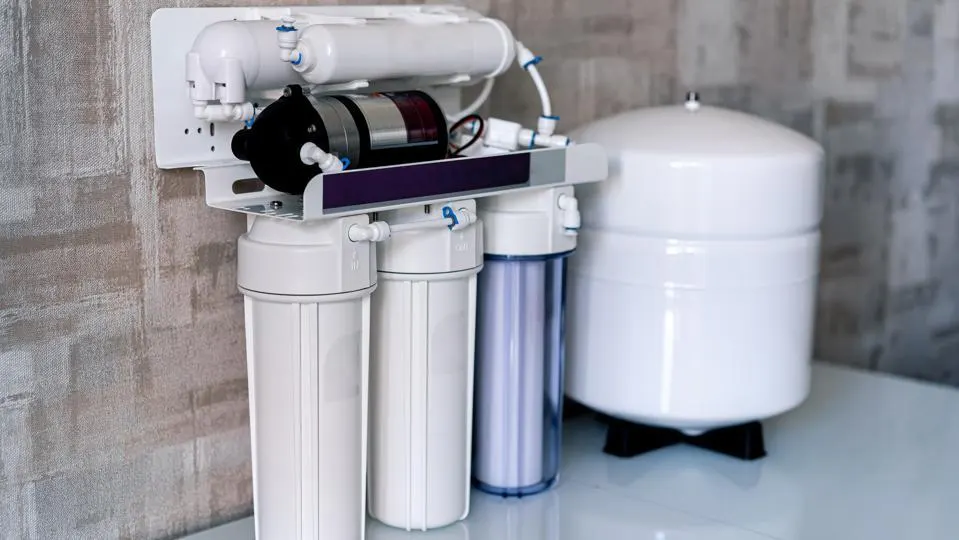
Water purifier filters operate through various mechanisms to remove different impurities in water. Activated carbon filters are effective at adsorbing organic compounds and chlorine, improving taste and odour. Reverse osmosis filters work by forcing water through a semi-permeable membrane, removing dissolved solids and heavy metals. Ultraviolet filters target microbial contaminants, neutralising bacteria and viruses through exposure to UV light, while ceramic filters are designed to block larger particles and microorganisms.
Each filter type complements specific purification needs, and combining these technologies can provide comprehensive water treatment. Understanding the function and purpose of each filter helps determine the most suitable configuration to address specific water quality concerns, ensuring both safety and improved drinking water standards.
Selecting the Best Water Purifier for Home
Choosing the best water purifier for domestic use involves evaluating various factors to ensure suitability. The composition of the local water supply plays a critical role, as different regions may have varying levels of impurities, such as hard water minerals or microbial contaminants. Determining the primary concerns helps identify the most effective purification technology, such as reverse osmosis for dissolved solids or UV filtration for pathogens. Space considerations, including under-sink or countertop models, can influence installation choices.
Additionally, ease of maintenance, including filter replacement frequency and cost, should be assessed to ensure long-term functionality. By carefully analysing these aspects, an informed decision can be made to improve water quality while efficiently addressing specific household requirements.
Drinking Water Filter and Its Benefits
A drinking water filter serves as an essential tool for improving water quality by reducing harmful substances such as heavy metals, pesticides, and chemical residues. By removing impurities, it enhances the flavour and odour of water, making it more appealing for regular consumption. Improved water quality can contribute to better hydration, which supports numerous bodily functions, including digestion and circulation.
In addition to health benefits, using water filters can promote environmental sustainability by minimising reliance on single-use plastic bottles. Many filters are engineered with advanced technology to ensure high effectiveness by targeting specific contaminants. This makes them a practical solution for addressing diverse water quality concerns while supporting healthier and more sustainable living standards.
Water Quality: What to Look For
Water quality is determined by evaluating various characteristics, such as the presence of contaminants, turbidity, and mineral content. Factors like excessive chlorine, heavy metals, or harmful microorganisms can compromise water safety. High turbidity levels indicate the presence of suspended particles, which may interfere with effective filtration. Hard water, containing elevated levels of calcium and magnesium, can cause scaling and affect taste.
Analysing these parameters is essential for determining the appropriate purification system to address specific concerns. Regular assessment of water quality helps ensure that purification systems continue to function optimally. Additionally, understanding local water conditions can help select appropriate technologies to improve the overall safety, taste, and clarity of drinking water.
Installation and Maintenance of Water Purifiers
Proper setup and regular upkeep are essential for ensuring water purifiers operate at peak efficiency. Installation typically involves connecting the unit to the water supply and configuring it according to specific requirements, such as pressure levels or space constraints. Maintenance tasks include cleaning or replacing filters, checking connections for leaks, and inspecting system components for wear.
Some advanced models feature indicators that signal when maintenance is needed, streamlining the process. Scheduled servicing not only preserves the system’s functionality but also maintains consistent water quality over time. Additionally, following recommended care guidelines helps prevent potential issues, such as clogging or reduced filtration performance, thereby ensuring reliable operation and prolonging the purifier’s lifespan.
Cost Implications of Water Purifiers
The financial considerations for water purifiers encompass both initial purchase costs and ongoing maintenance costs. Advanced purification systems, which utilise technologies such as reverse osmosis or multi-stage filtration, often require a higher upfront investment. However, long-term savings can be achieved by reducing reliance on bottled water and lowering plumbing repair costs caused by mineral deposits.
Routine costs, including filter replacements and occasional servicing, should also be accounted for when evaluating affordability. It is important to assess the system’s durability and efficiency relative to its price to ensure it aligns with specific water quality needs. A comprehensive understanding of these cost factors enables better financial planning and supports access to clean, safe drinking water.
Comparing Water Purification Technologies
Various water purification technologies cater to different requirements by employing distinct methods. Reverse osmosis systems are adept at eliminating dissolved solids and reducing salinity, offering effective treatment for areas with hard water. Ultraviolet purification, on the other hand, provides a chemical-free solution to neutralise microorganisms, making it suitable for microbial contamination concerns. Activated carbon filtration is commonly utilised to enhance taste and odour by removing chlorine and organic compounds.
Multi-stage systems often combine these technologies to address a wider range of impurities. Each method varies in efficiency, maintenance needs, and environmental impact, underscoring the importance of evaluating specific water quality conditions and usage requirements to select the most appropriate solution for comprehensive, reliable water purification.
Water Purifier Filter Replacement
Regular replacement of water purifier filter is essential to maintain consistent performance and ensure effective removal of contaminants. Over time, filters accumulate impurities, which can reduce filtration efficiency and lead to clogging. The frequency of replacement depends on factors such as water quality, usage levels, and the specific type of filter employed.
Advanced systems often include indicators to signal when a replacement is required, aiding timely maintenance. Neglecting filter replacement may result in diminished water quality and strain on the purification system. Adhering to recommended replacement intervals not only maintains the purifier’s functionality but also ensures the delivery of clean, safe drinking water, in line with health and hygiene standards.
Eco-Friendly Water Purification Options
Eco-friendly water purification options focus on reducing environmental impact while maintaining effective performance. Systems incorporating recyclable or biodegradable filter components minimise waste generated during regular maintenance. Energy-efficient designs lower electricity consumption, making them more sustainable for long-term use. Some methods, such as gravity-based filtration, operate without electricity, offering an eco-conscious alternative.
Technologies that utilise natural filtration materials, including sand or activated carbon derived from renewable sources, further support environmental sustainability. Advanced models are often designed to optimise water usage, reducing wastage during the purification process. By prioritising resource conservation and sustainability, these options help protect the environment while ensuring access to safe, clean drinking water, addressing both ecological and health concerns in a balanced manner.
Innovations in Water Purification
Recent innovations in water purification have introduced advanced technologies that enhance efficiency and adaptability. Developments such as nanotechnology-based filters offer precise removal of contaminants at the molecular level, while hybrid purification systems combine multiple filtration methods to address diverse impurities. Smart sensors integrated into purifiers provide real-time monitoring of water quality, enabling automated adjustments to optimise performance.
Additionally, advancements in materials science have led to the development of more durable and sustainable filtration components. These innovations focus on improving the effectiveness of water purification while addressing environmental concerns, such as reducing energy consumption and waste. Such technological progress continues to reshape the landscape of water treatment, ensuring safer and more sustainable solutions for various applications.
Water Purifiers for Different Settings
Water purifiers are designed to meet the varying demands of different settings, ensuring suitability for specific environments. In residential spaces, compact systems with multi-stage filtration effectively address household water quality concerns. Commercial or industrial settings often require high-capacity purifiers capable of handling larger volumes and addressing more complex impurities.
Institutions such as schools and healthcare facilities may prioritise systems that eliminate microbial contaminants to meet strict safety standards. Portable purifiers are ideal for outdoor or temporary use, offering flexibility in a variety of situations. Selecting an appropriate system tailored to the unique requirements of each setting ensures efficient and reliable water purification.
Water Purification and Health Benefits
Purified water plays a vital role in supporting essential bodily functions by eliminating harmful substances, including pathogens and chemical contaminants. It helps prevent waterborne illnesses and promotes better nutrient absorption, contributing to improved digestion and overall health.
Access to clean water also supports skin hydration and maintains cellular health, underscoring its importance for general well-being. By providing consistent access to safe drinking water, purification systems help address potential health risks associated with contaminated sources, ensuring a healthier lifestyle.
Conclusion
Selecting the ideal drinking water filter is essential for securing clean, safe, and great-tasting drinking water across Australia. By evaluating local water quality, household consumption, and specific contaminant concerns, individuals can choose from advanced reverse osmosis, ultraviolet, and activated carbon filtration technologies. Beyond protecting public health by removing harmful heavy metals and micro-organisms, high-performance purifiers support bodily hydration, improve taste, and significantly reduce single-use plastic waste. Routine filter maintenance and proper installation ensure these systems operate at peak efficiency over time. Investing in a tailored water purification system delivers sustainable, cost-effective, and reliable long-term health benefits for every home and business.
FAQs
What key factors should I evaluate when selecting a domestic drinking water filter?
Evaluating your local water supply composition is essential before selecting a domestic drinking water filter. Consider whether your source contains hard water minerals, chlorine, heavy metals, or microbial contaminants. Additionally, assess available installation space, daily household water consumption, initial system investment, ongoing filter replacement costs, and whether under-sink or countertop models better suit your lifestyle requirements.
How do reverse osmosis and ultraviolet water filtration systems differ?
Reverse osmosis systems force water through a semi-permeable membrane to remove dissolved solids, heavy metals, and high salinity levels, making them ideal for hard water areas. Conversely, ultraviolet systems use UV light to target microbial pathogens, effectively neutralising bacteria and viruses without chemicals. Combining both technologies delivers comprehensive treatment for diverse water quality challenges.
Why is routine filter replacement crucial for maintaining optimal water quality?
Routine filter replacement prevents accumulated impurities from clogging system components and reducing filtration performance. Over time, saturated filters lose their capability to trap heavy metals, chlorine, and pathogens effectively, potentially compromising drinking water safety. Adhering to recommended manufacturer replacement schedules ensures consistent flow rates, optimal system efficiency, and pure, safe water output.
Can using a drinking water purifier help reduce environmental waste?
Yes, installing a domestic water purifier significantly reduces reliance on single-use plastic bottles, minimizing environmental pollution and landfill waste. Modern filtration systems also incorporate energy-efficient mechanisms, eco-friendly natural carbon filters, and water-optimising technologies. By generating fresh, purified water directly from the tap, households support long-term ecological sustainability and resource conservation across Australia.
What are the health benefits associated with consuming properly purified drinking water?
Consuming properly purified water eliminates harmful heavy metals, pesticide residues, and waterborne pathogens that can cause gastrointestinal illnesses. Pure, contaminant-free water enhances natural flavour and odour, encouraging optimal daily hydration. Proper hydration supports critical bodily functions including circulation, digestion, nutrient absorption, cellular health, and skin vitality while improving overall long-term wellness.
| Related Business Listings |
| Contact Directory |
| Local Business Profiles |