Version 1.0.0
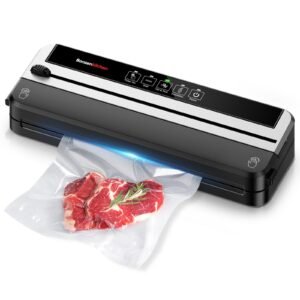
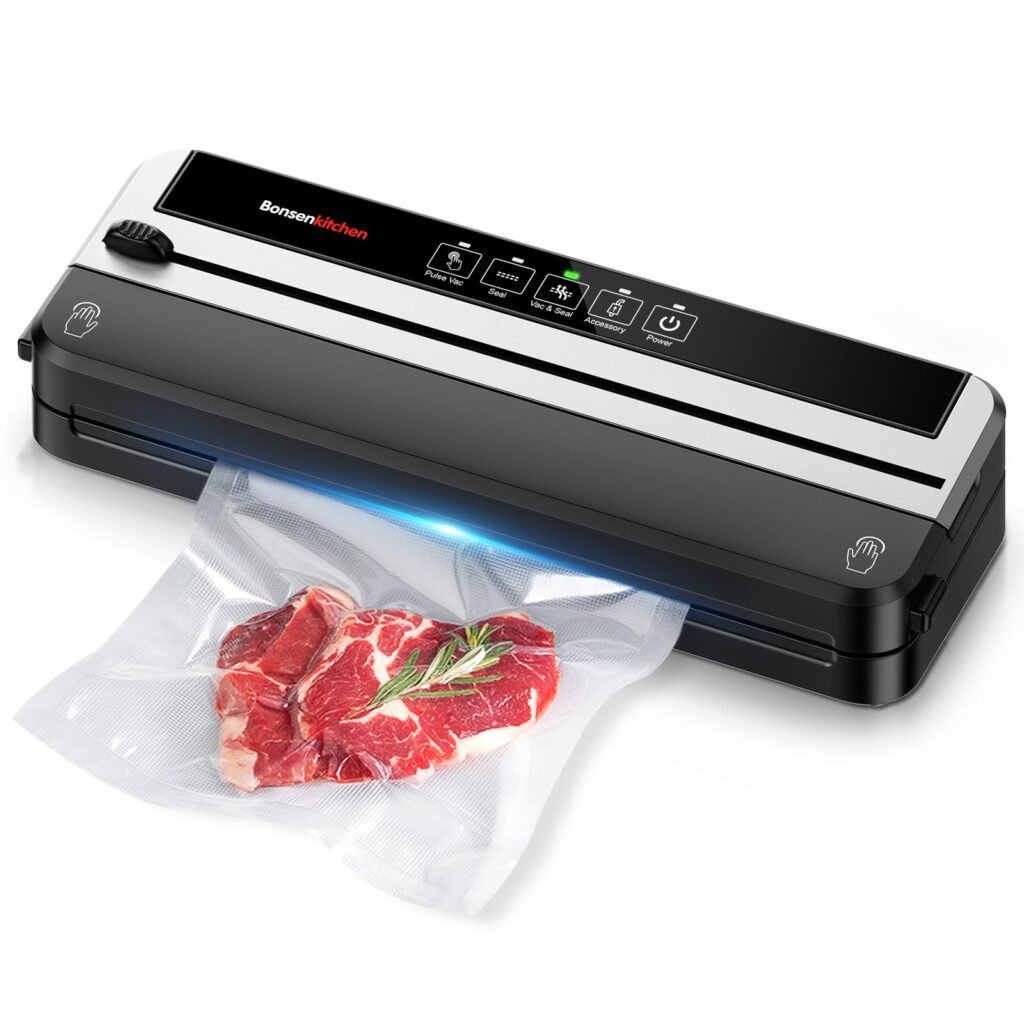
A vacuum sealer machine plays a vital role in preserving the freshness and quality of perishable items by creating an airtight environment. These devices function by removing oxygen from packaging, which helps to inhibit the growth of bacteria and other microorganisms that contribute to spoilage. Their ability to protect food from external factors such as moisture and odours makes them highly effective for long-term storage. While commonly associated with food preservation, vacuum sealers are also used for non-food applications, such as protecting sensitive items like electronics and documents. They are available in a variety of sizes and types, catering to both domestic and commercial requirements. With their combination of practicality and efficiency, these machines have become an essential tool for maintaining product quality across diverse settings.
How Vacuum Seal Packing Machines Work
Vacuum seal packing machines function by removing air from packaging, creating an airtight environment that preserves the contents. The process involves placing items into a specially designed bag or pouch, after which the machine uses a pump to extract air. Once the air is removed, the bag is sealed using heat, ensuring that the vacuum is maintained until it is opened. Different types of machines utilise varying levels of suction power and sealing mechanisms, depending on their intended applications.
Smaller units are often designed for household use, while larger models cater to commercial or industrial needs. The airtight seal not only prevents the growth of bacteria and mould but also safeguards items from external factors like moisture and odours. This systematic approach ensures efficient preservation and protection across a variety of applications.
Benefits of Using Vacuum Sealing Machines
Vacuum Sealing Machines offer significant advantages in preserving food and other perishable items. By removing air from packaging, these devices minimise exposure to oxygen, which helps to slow the growth of bacteria and mould. This not only extends the shelf life of food but also retains its flavour, texture, and nutritional content over time. Additionally, vacuum sealing prevents freezer burn, ensuring frozen items maintain their quality. These machines are also highly practical for portioning ingredients, enabling more efficient storage and meal preparation.
In non-food applications, vacuum sealing provides effective protection for sensitive items, safeguarding them against moisture, dust, and other environmental factors. The ability to store goods in compact, airtight packaging also optimises storage space, making these machines a versatile tool across domestic and commercial settings. Their role in reducing waste further highlights their practical and environmental value.
Vacuum Sealing Machines for Home Use
Vacuum Sealing Machines designed for domestic settings provide an effective solution for preserving food and maintaining organisation in kitchens. Their compact size and straightforward operation make them suitable for a wide range of household tasks, such as storing leftovers, meal preparation, and freezing ingredients. Many models include features like built-in cutters, adjustable settings, and simple controls to streamline the sealing process. These machines can accommodate various packaging options, allowing flexibility in food storage and organisation.
By creating airtight seals, they help to retain the freshness and quality of perishable items while reducing food waste. Their space-saving designs make them ideal for small kitchens, enabling efficient storage without taking up excessive room. Beyond food preservation, they are also useful for securing non-food items, such as documents and small household items, helping protect them from moisture and dust.
Commercial Applications of Vacuum Seal Packing Machines
Vacuum seal packing machines serve an essential role across numerous commercial industries, particularly in food production and retail. By creating airtight packaging, these machines ensure perishable goods, such as meat, seafood, and dairy products, remain fresh during transit and extended storage periods. They are widely used in catering and hospitality to streamline bulk storage and meal preparation processes.
Outside the food sector, vacuum seal packing machines are used in industries that require protection of sensitive items, such as electronics, pharmaceuticals, and textiles, safeguarding them against moisture, dust, and oxidation. In manufacturing, they are utilised to package components that require strict environmental control.
Their versatility in handling a range of materials and preserving quality makes them a valuable asset for businesses aiming to maintain high standards while enhancing storage efficiency and extending product longevity.
Key Features to Look For In Vacuum Sealing Machines
When evaluating Vacuum Sealing Machines, several features contribute to their effectiveness and practicality. Adjustable sealing modes enable compatibility with various packaging materials, enhancing versatility. Machines with built-in cutters and roll storage offer added convenience for preparing custom-sized bags. The inclusion of a strong vacuum pump ensures efficient air removal, which is essential for achieving airtight seals.
Ease of cleaning, such as removable drip trays, is another important consideration to maintain hygiene. Some models incorporate advanced technology, such as digital controls or indicators, which facilitate precise operation. Noise levels during operation may also influence suitability, particularly for domestic use. These features collectively determine a machine’s ability to handle different tasks efficiently and meet diverse preservation needs.
Maintenance Tips for Vacuum Seal Packing Machines
Proper maintenance of vacuum seal packing machines is essential for ensuring consistent performance and longevity. It is important to inspect the sealing bar regularly for signs of wear or residue, as these can compromise the seal. Cleaning the machine after each use helps to prevent the accumulation of food particles or debris, particularly in areas such as drip trays or around gaskets.
Periodically checking the vacuum pump and ensuring it is free from obstructions is also recommended. Replacement of worn-out components, such as sealing strips or gaskets, should be carried out promptly to maintain efficiency. Following the manufacturer’s maintenance instructions and storing the machine in a clean, dry environment can further optimise its functionality.
Choosing the Right Vacuum Packing Machine
Selecting an appropriate vacuum packing machine requires careful consideration of factors such as usage frequency, packaging requirements, and operational features. Domestic users may prioritise compact designs and ease of operation, while commercial settings often benefit from machines with higher sealing capacities and robust construction. The machine’s compatibility with different packaging materials and its sealing efficiency are key aspects to evaluate.
Machines with adjustable settings or additional features, such as built-in cutters, may offer greater versatility. Considering the space available for storage and operation is equally important, particularly in smaller environments. Attention to these details ensures the chosen machine aligns with specific preservation needs and delivers reliable performance across its intended applications.
Vacuum Sealing Machines and Environmental Impact
Vacuum Sealing Machines help reduce food waste by extending the shelf life of perishable items, thereby decreasing the frequency of food disposal. This process helps to conserve natural resources utilised in food production, such as water and energy, while also easing the strain on waste management systems. Additionally, vacuum sealing enables efficient portion control, minimising over-purchasing and unnecessary waste. The compact storage of vacuum-sealed items further optimises space, reducing the need for excessive packaging materials.
Many modern Vacuum Sealing Machines are designed with energy-efficient mechanisms, supporting environmentally conscious practices. These devices play an increasingly important role in promoting sustainable food preservation and responsible consumption habits, benefiting both households and industries striving to reduce their environmental impact.
Innovations in Vacuum Packing Technology
Advancements in vacuum packing technology have introduced features designed to improve functionality and efficiency. Innovations such as sensor-based controls enable automatic adjustments for optimal sealing, while enhanced suction power ensures better air removal from packaging. The development of compact and lightweight designs caters to space-saving requirements in modern environments.
Certain machines now integrate multi-sealing capabilities, allowing for faster processing of multiple packages. Progress in materials science has also made eco-friendly vacuum bags available, supporting sustainable practices.
Additionally, the incorporation of smart technology, including Wi-Fi connectivity and digital monitoring, is beginning to revolutionise the way these machines are used. These developments highlight the ongoing evolution of vacuum sealing to meet diverse and emerging preservation needs.
Safety Precautions When Using Vacuum Sealing Machines
To ensure the safe operation of Vacuum Sealing Machines, it is important to follow proper handling practices. Machines should be placed on stable, level surfaces to prevent tipping or movement during use. Care must be taken to avoid sealing materials that are flammable or unsuitable for high temperatures, as this could pose a risk.
Regular inspection of the power cord and plug helps to identify potential damage or wear that may affect safe operation. Ensuring the machine is kept dry and away from moisture or liquid contact reduces the risk of electrical hazards. Proper ventilation during operation is also recommended to prevent overheating. Following these guidelines helps maintain safety standards and promotes efficient usage.
Integrating Vacuum Sealing Machines into Kitchen Routines
Incorporating Vacuum Sealing Machines into kitchen routines simplifies food organisation and preservation processes. These devices are particularly useful for dividing bulk purchases into manageable portions, reducing waste and ensuring efficient storage. Vacuum sealing enhances the longevity of ingredients, maintaining their quality and freshness.
Additionally, these machines help prepare meals in advance, streamlining cooking schedules and providing convenience. Versatility extends to preserving dry goods and seasonal produce, enabling a well-organised and resourceful approach to kitchen management.
Conclusion
A vacuum sealer machine represents an essential technological innovation for modern food preservation and storage across Australia. By eliminating oxygen and creating airtight seals, these versatile appliances effectively slow down bacterial growth, prevent freezer burn, and significantly extend the shelf life of perishable items. Beyond culinary applications, vacuum sealers protect sensitive non-food items, such as electronics and important documents, from moisture, dust, and environmental degradation. Whether utilised in domestic kitchens for meal preparation or in commercial sectors for bulk storage, investing in a high-quality vacuum sealing system minimises product waste, maximises storage efficiency, and delivers long-term sustainable value.
FAQs
How does a vacuum sealer machine extend the shelf life of food?
A vacuum sealer machine removes air from the packaging before applying an airtight seal. Eliminating oxygen starves spoilage-causing bacteria and mould, dramatically slowing oxidation. This gentle preservation process maintains the natural flavours, textures, and nutritional value of fresh ingredients, allowing food to stay fresh up to five times longer than standard storage methods.
Can Vacuum Sealing Machines be used for non-food items?
Yes, Vacuum Sealing Machines are highly versatile and effectively protect non-food items. They safeguard sensitive electronics, crucial documents, medical supplies, and textiles from environmental hazards such as moisture, dust, and oxidation. Vacuum sealing compacts bulky items like camping gear or spare linens, optimizing storage space in homes and during travel.
What is the primary difference between domestic and commercial vacuum sealers?
Domestic vacuum sealers are compact, lightweight, and designed for intermittent household use, such as sealing leftovers or meal portions. Commercial vacuum seal packing machines feature heavy-duty pumps, continuous-duty motors, and larger chamber capacities. They handle high-volume processing, deliver stronger suction, and accommodate diverse packaging materials required for commercial food production and retail operations.
How do I properly maintain my vacuum seal packing machine for optimal performance?
Regular maintenance involves wiping down surfaces and cleaning removable drip trays after every use to prevent debris buildup. Regularly inspect sealing strips and rubber gaskets for wear, replacing them promptly when damaged. Ensure the vacuum pump remains unobstructed, and always store the unit unlocked in a clean, dry environment according to manufacturer guidelines.
Does vacuum sealing food help reduce household waste and environmental impact?
Yes, vacuum sealing significantly reduces household food waste by extending ingredient freshness and preventing freezer burn. It allows consumers to purchase food in bulk, portion meals efficiently, and store seasonal produce longer. Preserving food effectively minimizes total disposal rates, conserves natural resources used in food production, and supports sustainable, eco-friendly kitchen practices across Australia.
| Related Business Listings |
| Contact Directory |
| Local Business Profiles |