swimming pool weekly service
Keeping a swimming pool clean and balanced requires more than removing leaves from the surface when they become noticeable. Dirt, pollen, insects, sunscreen, organic debris, and changing weather conditions can affect water quality throughout the week. A professional swimming pool weekly service provides a consistent routine for cleaning, water testing, equipment observation, and general pool care. Understanding what is included in a typical visit helps homeowners compare maintenance plans and choose services that match their pool’s specific needs.
Surface Skimming and Debris Removal
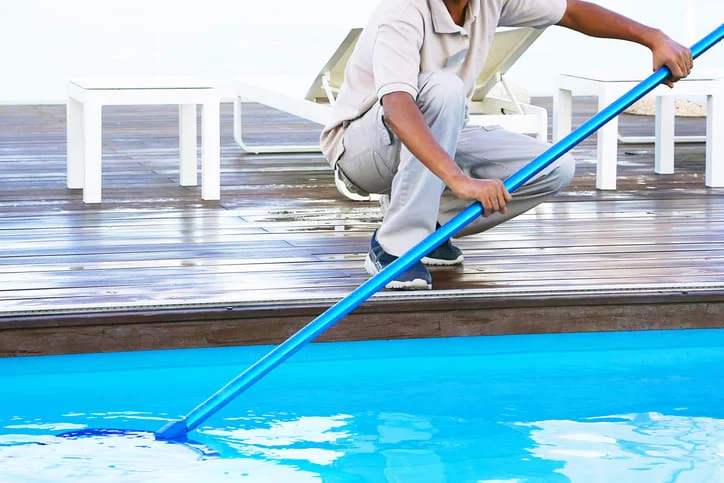
One of the most visible tasks during weekly pool maintenance is removing floating debris from the water. Leaves, insects, grass, pollen, and other outdoor material can accumulate between service visits, particularly after windy weather or storms. Technicians use appropriate skimming equipment to remove this material before it sinks and becomes more difficult to collect. Keeping the surface clean also reduces the amount of debris that eventually reaches the filtration system. Regular skimming is therefore a basic but important part of maintaining an attractive swimming pool.
Debris removal does not stop at the water’s surface because pool baskets can collect significant amounts of leaves and other material. A technician may empty and clean skimmer baskets and the pump basket as part of routine service, depending on the maintenance agreement. Overfilled baskets can restrict water flow and interfere with efficient circulation. Removing accumulated debris helps the system operate under more suitable conditions. Homeowners should confirm with their provider whether basket cleaning is included in their weekly service plan.
Brushing and Vacuuming Pool Surfaces
A complete swimming pool weekly service typically includes attention to the pool’s walls, steps, corners, and floor. Brushing these areas helps loosen dirt and buildup that may not be removed through surface skimming alone. Corners, stairs, and areas with limited circulation can be particularly susceptible to accumulation. Regular brushing can also help reduce conditions that allow algae to establish on pool surfaces. The appropriate brush should depend on the pool’s surface material to avoid unnecessary damage.
Vacuuming is another important part of maintaining clean water and pool surfaces. Fine particles, dirt, and heavier debris can settle on the pool floor even when the surface appears clean. Depending on the pool and equipment, technicians may use manual or automated vacuuming methods. Removing settled material reduces the amount of debris that can be redistributed into the water. The frequency and method of vacuuming can vary depending on pool usage, surrounding landscaping, weather, and the condition of the water.
Water Testing and Chemical Balancing
Water testing is one of the most important components of professional pool maintenance because clear water does not always mean properly balanced water. Technicians may test sanitizer levels, pH, alkalinity, and other relevant water characteristics according to the pool system and maintenance requirements. Testing provides information that can guide appropriate chemical adjustments. Regular monitoring is particularly important during periods of high temperatures, heavy swimming activity, rainfall, or evaporation. Maintaining appropriate chemistry supports swimmer comfort and helps protect pool surfaces and equipment.
Chemical treatment should be based on testing rather than guesswork. Adding excessive amounts of a chemical can create its own water-quality problems, while insufficient treatment may allow unwanted microorganisms to multiply. A professional technician can evaluate current conditions and make adjustments according to established maintenance practices and product guidance. Homeowners should also follow chemical labels and manufacturer recommendations when performing any maintenance themselves. A good service provider should explain significant chemical changes and communicate when additional treatment is necessary.
Salt Level Monitoring for Saltwater Pools
Saltwater pools still require regular maintenance even though they use a salt chlorine generator rather than relying entirely on manually added chlorine. The generator converts dissolved salt into chlorine as the pool system operates, helping maintain sanitation when the system is functioning correctly. Salt levels can change because of splash-out, backwashing, water replacement, and other factors. Technicians can check whether the salt concentration is within the range recommended for the specific generator. Maintaining the appropriate level helps the system operate as intended.
Homeowners often ask how often to add salt to pool systems, but there is no universal schedule that applies to every property. Salt is generally not added on a fixed weekly basis because it does not disappear from the water in the same way that chlorine is consumed. The correct approach is to test the salt level and compare it with the manufacturer’s recommended range for the particular salt chlorine generator. Adding salt only when testing indicates that it is needed helps prevent unnecessary increases in salinity. A pool professional can also help determine whether unusual salt loss may indicate water loss or another issue.
Filter and Circulation System Checks
Filtration is essential because the filter removes suspended particles as water circulates through the system. A weekly maintenance visit may include observing filter pressure, checking circulation, and identifying signs that the filter requires cleaning or other attention. The exact maintenance process depends on whether the pool uses a cartridge, sand, or diatomaceous earth filter. Filters should be serviced according to their design and the manufacturer’s instructions rather than according to a rigid universal schedule. Proper filtration complements cleaning and chemical treatment to support clear water.
Technicians may also observe the pump, valves, skimmer, return flow, and other accessible components during routine service. Unusual sounds, weak circulation, leaks, or pressure changes can sometimes indicate a developing equipment concern. Routine observation does not replace specialized equipment repair, but it can help identify conditions that deserve further evaluation. Catching an unusual change early may prevent a small maintenance concern from becoming more disruptive. Homeowners should ask how their service provider communicates equipment problems discovered during scheduled visits.
Checking Water Level and Overall Pool Condition
Water level is another detail that can affect pool operation. Excessively low water can interfere with skimmer performance and circulation, while unusually high water after rainfall can affect normal operation and chemical concentration. A technician can observe the water level during a weekly visit and identify conditions that may require attention. If water is consistently disappearing faster than expected, homeowners may need to investigate evaporation, splash-out, or a potential leak. Regular observation can help establish whether the change is normal or unusual.
A professional technician should also pay attention to the overall condition of the pool during routine cleaning. Stains, scale, algae, cloudy water, damaged surfaces, or unusual odors can provide clues about developing maintenance problems. These observations are valuable because some issues are easier to address when they are first noticed. A detailed weekly service is not simply a checklist of physical cleaning tasks. It is also an opportunity to monitor changes in the pool and communicate concerns to the homeowner.
Why a Weekly Maintenance Checklist Matters
A structured checklist helps technicians maintain consistency from one visit to the next. Without an organized process, small tasks such as basket cleaning, water testing, brushing, or equipment observation can be overlooked. A professional swimming pool weekly service plan creates a predictable routine that helps keep essential maintenance responsibilities on schedule. The exact checklist should be adapted to the pool’s size, equipment, usage, landscaping, and seasonal conditions. Properties with heavy debris or frequent swimming may require additional attention beyond standard weekly maintenance.
Homeowners should review the checklist provided by their pool service company rather than assuming every provider includes the same tasks. Ask whether cleaning, chemical testing, chemical adjustments, basket maintenance, vacuuming, filter checks, and equipment observations are included. It is also useful to ask how the company handles additional work after storms, algae outbreaks, or unusual water conditions. Clear service expectations help prevent misunderstandings about what a weekly visit covers. A transparent maintenance plan also makes it easier to recognize when specialized cleaning or repair is needed.
Creating a Reliable Pool Care Routine
Weekly professional maintenance provides a practical foundation for keeping a swimming pool clean, but homeowners still benefit from paying attention between visits. Removing obvious debris, monitoring water levels, observing equipment, and reporting unusual changes can complement professional service. During periods of heavy rain, extreme heat, or frequent swimming, the pool may need additional attention. Regular communication with the maintenance provider helps determine when the normal schedule should be adjusted. The goal is to maintain stable conditions rather than waiting for visible problems to appear.
A dependable swimming pool weekly service should combine physical cleaning, water-quality monitoring, filtration awareness, and clear communication. For saltwater pool owners, understanding how often to add salt to pool systems is also important because salt should generally be added according to measured levels and equipment requirements, not simply on a weekly timetable. By following a consistent checklist and responding promptly to unusual conditions, homeowners can support cleaner water and reliable equipment performance. Professional maintenance makes these responsibilities easier to manage while helping the pool remain ready for enjoyment throughout the swimming season.