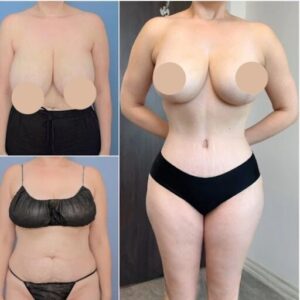
Breast reduction surgery can help women who experience discomfort, difficulty with physical activity, or dissatisfaction related to excessively large breasts. The procedure removes selected breast tissue, fat, and skin and reshapes the remaining tissue to create a smaller and more proportionate breast contour.
For patients considering breast reduction dubai, understanding the recovery process is just as important as preparing for the surgery itself. Healing takes place gradually, and the early weeks require patience, appropriate support, careful wound care, and a controlled return to everyday activities.
With reference to Dr. Matteo Vigo, patients can approach breast reduction as a personalized surgical journey, with recovery instructions tailored to the procedure performed, individual healing pattern, and overall needs.
What to Expect After Breast Reduction Surgery
The first days after breast reduction generally involve rest and careful monitoring. Tenderness, swelling, bruising, tightness, and fatigue are common during the early recovery period. These symptoms generally improve gradually as the tissues heal.
Patients may have dressings or a surgical bra immediately after surgery. Depending on the surgical technique and individual circumstances, temporary drains may also be used to remove excess fluid.
The exact recovery experience differs from one patient to another, so your surgeon’s instructions should always take priority over a general recovery timeline.
Prepare Your Home Before Surgery
One of the easiest ways to make recovery more comfortable is to prepare your home before the procedure.
Consider arranging:
- A comfortable resting area
- Loose, front-opening clothing
- A supportive surgical or postoperative bra recommended by your surgeon
- Easy-to-prepare meals
- Necessary medications
- Extra pillows for comfortable positioning
- Someone who can assist with daily tasks during the initial recovery period
Having frequently used items within easy reach can also reduce unnecessary stretching, bending, and lifting during the first days.
Planning ahead allows you to concentrate on healing rather than dealing with avoidable household tasks.
Follow Your Surgeon’s Instructions Carefully
Postoperative instructions are individualized because surgical techniques and recovery requirements can vary.
Your surgeon may provide instructions covering:
- Wound and dressing care
- Showering
- Medication
- Surgical bra use
- Sleeping position
- Physical activity
- Driving
- Exercise
- Follow-up appointments
- Scar care
The American Society of Plastic Surgeons emphasizes that patients should receive individualized instructions regarding incision care, medication, activity, and follow-up after breast reduction.
For patients undergoing breast reduction dubai with Dr. Matteo Vigo, following the specific postoperative plan is an important part of supporting a comfortable recovery.
Use Appropriate Breast Support
A supportive postoperative bra can provide comfort while the breasts heal.
Your surgeon may recommend a specific surgical or supportive bra and explain how long it should be worn. A properly selected garment can provide gentle support without placing unnecessary pressure on healing incisions.
Patients should avoid choosing a replacement bra simply because it looks comfortable. The appropriate design and timing should be discussed with the surgical team.
Mayo Clinic notes that a surgical bra may be recommended during the early recovery period to support the breasts and help manage swelling.
Manage Swelling and Bruising Patiently
Swelling and bruising are normal parts of the healing process after breast reduction.
The breasts may initially appear higher, firmer, uneven, or different from the expected final shape. Swelling can obscure the eventual contour, and breast shape may continue to settle over the following weeks and months.
This means patients should not judge their final result immediately after surgery.
Allowing the tissues time to heal can make the recovery experience less stressful and provide a more realistic understanding of the eventual outcome.
Rest Without Staying Completely Inactive
Rest is important, but complete inactivity is generally not the goal unless specifically instructed by your surgeon.
Gentle movement, such as short walks, may be encouraged during recovery depending on the individual’s condition. Light movement can help maintain circulation and gradually restore normal mobility.
The key is to avoid turning gentle movement into strenuous activity.
Your surgeon should determine when you can progress from short walks to more demanding activities.
Avoid Heavy Lifting During Early Recovery
The chest and breast tissues need time to heal after surgery.
Heavy lifting, pushing, pulling, and strenuous upper-body movements can place unnecessary strain on healing tissues. Patients are commonly advised to restrict these activities for several weeks, with the exact timeline determined by their surgeon.
This is especially important for patients who regularly lift children, perform physically demanding work, or participate in strength training.
Plan for assistance with these activities before surgery so that you are not tempted to resume them too soon.
Take a Gradual Approach to Exercise
Returning to exercise should happen progressively.
Walking may be introduced relatively early when approved, while activities such as running, weight training, aerobics, swimming, and strenuous upper-body exercises generally need to wait until adequate healing has occurred.
Mayo Clinic advises limiting physical activity for several weeks after breast reduction, while the American Society of Plastic Surgeons recommends discussing the timing of normal activity and exercise with the individual surgeon.
The safest timeline for you is the one provided by your surgical team.
Be Careful With Arm Movements
Breast reduction involves incisions and tissue reshaping around the breast, so excessive arm movement can be uncomfortable during early healing.
Reaching overhead, stretching aggressively, pushing heavy objects, or performing repetitive upper-body movements may need to be limited temporarily.
Normal arm mobility can gradually return as healing progresses, but patients should not force movement simply to accelerate recovery.
Protect Your Incisions
Incision care is one of the most important aspects of recovery.
Patients should follow their surgeon’s instructions regarding dressings, showering, cleaning, and products that can be placed near the surgical area.
Incisions may initially appear red, swollen, or uneven. Scar maturation takes considerably longer than the initial wound-healing period, and scars can continue to change in appearance for months.
Do not apply creams, oils, scar products, or other substances to healing incisions unless your surgeon has specifically recommended them.
Wear Comfortable Clothing
During the first part of recovery, clothing that is easy to put on and remove can make everyday activities much easier.
Front-opening shirts, loose tops, and soft fabrics can reduce the need to lift the arms or pull tight clothing over the head.
Comfort should be the priority rather than fashion during the early healing period.
As swelling decreases and movement becomes easier, patients can gradually return to their usual clothing choices according to their comfort and medical guidance.
Sleep in a Comfortable Position
Finding a comfortable sleeping position can be challenging after breast reduction.
Many patients find that sleeping on their back with the upper body slightly elevated can reduce pressure on the breasts and make getting comfortable easier.
However, sleeping instructions can vary depending on the surgery and individual circumstances.
Patients should follow the positioning recommendations provided by Dr. Matteo Vigo or their surgical team rather than adopting a sleeping position solely because it worked for someone else.
Stay Consistent With Prescribed Medication
Pain and discomfort are expected to some degree after surgery, particularly during the first few days.
Your surgeon may prescribe or recommend medications to control discomfort and support recovery. Take medications exactly as directed and discuss any unexpected reaction or difficulty with your medical team.
Do not add over-the-counter medications, supplements, or herbal products without checking whether they are appropriate during your recovery.
Maintain Good Nutrition and Hydration
Healing requires energy and nutrients, so maintaining a balanced diet can support the body’s recovery process.
Patients should focus on nutritious meals containing adequate protein, fruits, vegetables, whole grains, and appropriate fluids unless their doctor has given different dietary instructions.
Staying hydrated can also make the recovery period more comfortable.
If nausea, poor appetite, or medication-related digestive issues make eating difficult, discuss the situation with your healthcare provider.
Plan Time Away From Work
The amount of time needed away from work depends on the nature of your job and your individual recovery.
Someone with a desk-based role may return sooner than someone whose work involves lifting, repetitive arm movements, or physical labor.
Recovery information from the NHS indicates that some patients may need several weeks before returning fully to normal activities, while Mayo Clinic similarly recommends limiting physical activity during the early healing period.
Discuss your specific work requirements with Dr. Matteo Vigo before surgery so that you can plan realistically.
Do Not Rush Back to Driving
Driving requires comfortable movement of the arms and the ability to react quickly.
Patients should not drive while taking medications that impair alertness or while movements such as turning the steering wheel or wearing a seatbelt remain painful.
Your surgeon should confirm when you can safely resume driving based on your recovery.
Planning transportation for follow-up appointments and essential trips can make the early recovery period much easier.
Attend Every Follow-Up Appointment
Follow-up visits allow your surgeon to monitor healing, examine the incisions, assess swelling, and answer recovery-related questions.
They are also an opportunity to discuss when you can increase physical activity, change your support garment, begin scar care, or return to specific activities.
The American Society of Plastic Surgeons emphasizes the importance of postoperative follow-up and individualized guidance throughout breast reduction recovery.
Regular follow-up is therefore an important part of the healing journey rather than an optional extra.
Be Patient With Changes in Breast Shape
The appearance of the breasts immediately after surgery is not the final result.
Swelling, tissue firmness, bruising, and temporary asymmetry can make the breasts look different during the first several weeks. The shape generally continues to settle as swelling decreases and tissues heal.
Patients should avoid comparing their early postoperative appearance with photographs of fully healed results.
Healing takes time, and the final contour may become clearer over several months.
Understand Temporary Sensation Changes
Changes in breast or nipple sensation can occur after breast reduction.
Some patients experience temporary numbness, increased sensitivity, tingling, or altered sensation. These changes may improve gradually as the tissues recover.
If you have questions about changes in sensation, discuss them during your follow-up appointment rather than assuming that they indicate a problem.
Give Your Body Time to Heal
One of the most important recovery tips is simply to avoid doing too much too soon.
Feeling better does not necessarily mean that the deeper tissues have completely healed.
A patient may feel comfortable enough to perform an activity before the surgical tissues are ready for that level of physical stress. This is why activity progression should be based on your surgeon’s instructions rather than your energy level alone.
Gradual recovery can help make the healing journey more comfortable.
Understanding Breast Reduction Cost in Dubai
The practical side of treatment is also important for patients considering surgery. Breast reduction cost in dubai can vary depending on several factors because every patient’s surgical plan is different.
Factors that may influence breast reduction cost in dubai include:
- Surgical technique
- Amount of breast tissue removed
- Complexity of the procedure
- Surgeon expertise
- Hospital or surgical facility fees
- Anesthesia
- Preoperative assessments
- Postoperative medications
- Follow-up appointments
- Additional procedures when medically appropriate
Patients should request a clear explanation of what is included in the quoted treatment rather than comparing prices based on a single figure.
Why Breast Reduction Cost Should Be Considered Alongside Care
When researching breast reduction cost in dubai, it is understandable to compare different treatment prices.
However, the lowest quoted amount does not necessarily represent the most appropriate treatment plan. Patients should consider the complete surgical pathway, including consultation, surgical expertise, facility standards, anesthesia, postoperative support, and follow-up.
A personalized consultation can clarify what your particular procedure involves and what the quoted cost covers.
Preparing for a Comfortable Recovery Before Surgery
Recovery preparation should begin before the operation.
Arrange transportation, organize comfortable clothing, prepare meals, clean your resting area, and arrange help with children, pets, household tasks, or physically demanding responsibilities.
Having these arrangements ready can significantly reduce unnecessary stress during the first days after surgery.
For patients traveling for breast reduction dubai, planning should also include accommodation, transportation to follow-up appointments, and sufficient time in Dubai for appropriate postoperative monitoring before returning home.
When to Contact Your Surgical Team
Recovery symptoms should generally improve gradually. However, patients should contact their surgical team if they notice unexpected or worsening symptoms.
Examples that warrant prompt medical attention can include increasing redness or warmth around an incision, worsening pain or swelling, fever, significant bleeding or drainage, or sudden changes in breast appearance.
Severe symptoms such as difficulty breathing or chest pain require urgent medical attention rather than waiting for a routine appointment.
Your surgical team should provide specific instructions about which symptoms require immediate contact.
Supporting Your Emotional Recovery
Physical healing is only one part of recovery.
It is normal for emotions to fluctuate after surgery. Swelling and temporary changes in breast appearance can sometimes make patients feel uncertain during the early period.
Remember that the initial appearance is not the final result.
Give yourself time to adjust to the physical changes and avoid making judgments about the outcome before healing has progressed sufficiently.
If you have concerns about your recovery, discussing them openly with Dr. Matteo Vigo can provide reassurance and appropriate guidance.
When Can You Expect to Feel More Like Yourself?
Recovery occurs in stages rather than on one specific day.
Many patients gradually become more comfortable during the first few weeks, while swelling and breast shape continue to settle afterward. Some sources describe approximately four to six weeks for a return toward normal activity, although individual recovery can be shorter or longer.
Scar maturation takes substantially longer and may continue for many months.
Therefore, a comfortable recovery should be viewed as a gradual process rather than a race to return to normal.
Long-Term Care After Breast Reduction
Once the initial recovery period has passed, patients can gradually return to their normal lifestyle according to their surgeon’s guidance.
Maintaining a stable weight, following general healthy-lifestyle habits, and attending appropriate medical checkups can help support long-term breast health.
Future pregnancy, significant weight changes, aging, and other factors can alter breast shape and size over time, even after a successful reduction.
Understanding these possibilities helps patients maintain realistic long-term expectations.
Personalized Recovery Guidance With Dr. Matteo Vigo
For patients considering breast reduction dubai, recovery should be viewed as an important part of the complete surgical journey.
Dr. Matteo Vigo can tailor postoperative guidance according to the surgical technique, amount of tissue removed, incision pattern, individual healing, and lifestyle requirements.
A personalized recovery plan can address practical questions about support garments, sleeping, wound care, physical activity, work, exercise, and follow-up.
The objective is to help each patient move through recovery at an appropriate pace rather than following a rigid schedule designed for someone else.
Making an Informed Decision About Breast Reduction
Breast reduction is a significant surgical procedure, and patients should understand both the operation and recovery process before deciding to proceed.
A detailed consultation should cover the expected surgical approach, recovery timeline, postoperative support, potential changes in breast appearance, and the factors that influence breast reduction cost in dubai.
Patients should also have the opportunity to ask questions about their individual anatomy and desired outcome.
A More Comfortable Healing Journey
A comfortable recovery after breast reduction depends on patience, preparation, appropriate support, careful incision care, gradual activity, and regular communication with the surgical team.
For patients exploring breast reduction dubai, the goal is not simply to reach the end of the recovery period as quickly as possible. It is to allow the body sufficient time to heal while gradually returning to normal activities.
Understanding breast reduction cost in dubai is an important part of planning, but so is understanding the complete treatment and aftercare process.
With personalized surgical planning and postoperative guidance from Dr. Matteo Vigo, patients can approach breast reduction with realistic expectations and a structured recovery plan focused on comfort, healing, and long-term satisfaction.