Radiant heating technology has reshaped the way indoor environments are heated, providing modern solutions that focus on efficiency and comfort. Among these developments, electric radiant heat ceiling panels offer an effective and contemporary approach to maintaining a comfortable indoor climate. By using infrared technology, these systems warm objects and surfaces directly instead of depending on air circulation, promoting consistent heat across a room. Quiet, discreet, and energy-efficient, they blend naturally with modern interiors while meeting both functional and visual requirements. This heating approach not only improves thermal comfort but also supports environmentally conscious living, responding to the changing needs of contemporary households.
The Principles behind Electric Radiant Heating
Electric radiant heating relies on infrared radiation to provide warmth efficiently and effectively. Unlike conventional systems that depend on warming the surrounding air, this technology releases infrared waves that directly heat surfaces, objects, and people within an area. The energy carried by these waves is absorbed and subsequently released as heat, creating a comfortable environment without requiring air circulation. This approach maintains a stable and consistent temperature while reducing draughts and cold areas commonly associated with traditional heating systems.
Additionally, radiant heating functions quietly and reduces the energy losses linked with air-based heating, making it well suited to modern homes. The design of these systems also supports uniform heat distribution, as infrared waves are absorbed across objects and surfaces throughout the room. This heating method reflects the increasing demand for efficient and innovative solutions that focus on both performance and sustainability within contemporary living environments.
Efficient Heat Distribution with Infrared Heating
Infrared technology supports effective heat distribution by transferring warmth directly to surfaces and objects throughout an indoor space. Unlike convection systems that depend on circulating heated air, this approach produces infrared waves absorbed by furniture, walls, floors, and other surfaces, which subsequently release the warmth back into the surrounding environment. This process supports a balanced and stable temperature while reducing uneven heating and cold areas. The lack of significant air movement can also help create a cleaner indoor environment by limiting the circulation of dust and allergens.
Infrared heating is not only efficient but also responds quickly, allowing warmth to be experienced soon after the system is switched on. Furthermore, its directional properties help deliver heat to targeted areas while reducing unnecessary energy consumption. Incorporating this technology into ceiling-mounted panels enhances its effectiveness, allowing available space to be used efficiently while delivering direct and consistent warmth throughout the room.
Improving Energy Efficiency with Electric Ceiling Heating
Electric ceiling heating systems enhance energy efficiency by transferring warmth directly to surfaces and objects, reducing the inefficiencies commonly linked with air-based heating methods. By directing heat towards areas where it is required, these systems reduce unnecessary energy consumption in unused spaces and support improved efficiency. Limited air movement also helps reduce heat loss, contributing further to energy conservation. In addition, precise control features enable customised temperature settings, helping prevent unnecessary energy use caused by excessive heating.
Electric ceiling heating also incorporates advanced technology that converts a substantial amount of electrical energy into usable heat, providing an efficient option for contemporary homes. This direct heating method ensures that consumed energy is effectively applied, supporting potential cost savings while reducing environmental impact. By maintaining consistent warmth with lower energy requirements, these systems provide a modern alternative to conventional heating approaches and support the increasing focus on sustainable living practices.
Enhancing Indoor Comfort with Radiant Heat Ceiling Panels
Radiant-heat ceiling panels help create a comfortable indoor environment by providing steady and evenly distributed warmth. This approach reduces the hot and cold areas frequently experienced with conventional heating systems. By directly heating surfaces and objects within a room, radiant heat ceiling panels create a naturally comfortable atmosphere without depending on air circulation, which can produce draughts. Their silent operation, supported by the absence of moving parts, maintains a peaceful environment suitable for relaxation and concentration. Furthermore, the panels’ capacity to maintain a stable indoor temperature improves comfort during colder periods.
The limited air movement also reduces the circulation of dust and allergens, contributing to a cleaner and more comfortable living environment. This technology can be particularly suitable for contemporary homes where efficient and discreet heating solutions are valued. The streamlined design of these panels integrates smoothly with modern interiors, improving not only thermal comfort but also the visual character of a room while addressing both practical and aesthetic needs.
The Role of Infrared Radiation in Modern Heating
Infrared radiation plays a fundamental role in the effectiveness of modern heating systems. As an invisible form of electromagnetic energy, it transfers heat by emitting waves that are absorbed directly by surfaces and objects, rather than relying on air circulation. This direct transfer ensures a consistent distribution of warmth, creating a more comfortable indoor environment without temperature fluctuations. By eliminating the dependency on convection, infrared-based systems avoid common issues such as draughts and uneven heating.
Moreover, the ability of infrared waves to heat objects rather than air contributes to improved energy efficiency, as less energy is wasted in the heating process. This method also promotes a cleaner atmosphere, as it reduces the circulation of dust and allergens often associated with forced-air systems. Infrared heating technology has become a cornerstone of innovative heating solutions, aligning with the increasing emphasis on sustainability, comfort, and energy-conscious living in modern households. Its integration into ceiling-mounted systems exemplifies its versatility and practicality.
Comparing Radiant Ceiling-Heating with Conventional Systems
Radiant ceiling-heating offers distinct advantages when compared to conventional heating systems. Traditional systems typically rely on convection, where air is heated and circulated throughout a space, often resulting in uneven temperatures and draughts. In contrast, radiant ceiling-heating operates by directly transferring heat to objects and surfaces, creating a more consistent and comfortable indoor climate. Conventional systems can experience significant energy loss as warm air rises, while radiant systems focus heat exactly where it is required, minimising wastage.
Radiant ceiling-heating is silent and free from moving parts, whereas traditional systems may produce noise due to fans or ductwork. The design of radiant ceiling-heating also eliminates the need for bulky radiators or visible units, optimising space usage and preserving the aesthetic integrity of a room. This technology is particularly beneficial in maintaining stable indoor conditions, avoiding the temperature fluctuations often associated with convection-based heating methods, which can be less efficient and less effective.
Benefits of Ceiling Mounted Infrared Heating Panels for Contemporary Homes
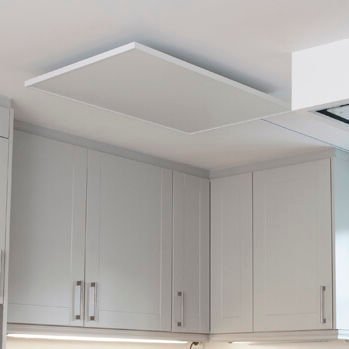
Ceiling mounted infrared heating panels offer a contemporary heating option that combines efficiency with visual appeal. Their design supports discreet installation, preserving valuable floor space while complementing modern interiors. These panels produce infrared radiation that directly warms objects and surfaces instead of heating the surrounding air, helping maintain comfortable and consistent temperatures. The absence of moving components also limits operational noise, contributing to a peaceful indoor atmosphere.
In addition, their capacity to heat selected areas efficiently helps reduce energy consumption and supports environmentally conscious practices. The panels’ quick heating performance adds to their practicality, especially in areas where immediate warmth is needed. Suitable for different room dimensions and configurations, they provide flexibility and straightforward installation, making them appropriate for both newly constructed properties and existing homes requiring heating upgrades.
Improving Efficiency with Focused Heat Distribution
Focused heat distribution delivers warmth directly to areas where it is needed, reducing unnecessary energy consumption and supporting greater efficiency. By producing infrared waves that directly warm objects and surfaces, radiant ceiling panels reduce dependence on air circulation, which can contribute to energy losses in conventional heating systems. This direct approach concentrates warmth within occupied areas while avoiding unnecessary heating of unused spaces.
Moreover, the technology provides rapid and consistent warmth, reducing the requirement for extended system operation. Infrared heating also helps minimise heat stratification, a common issue where heated air rises and escapes before adequately warming the lower areas of a room. By matching heating output with actual requirements, focused heat distribution can support energy savings and responsible consumption, making it a practical element of contemporary and sustainable home heating systems.
Key Planning Factors for Electric Ceiling Heating Systems
Careful planning is important when installing electric ceiling heating systems to achieve effective performance and comfortable results. Room dimensions and layout are important considerations when determining the quantity and positioning of panels for balanced heat distribution. Adequate insulation is also necessary to reduce heat loss and improve overall efficiency. The materials used within the ceiling structure can affect system performance, as different materials may influence the transfer of heat.
The addition of advanced thermostatic controls provides accurate temperature regulation while improving convenience and energy management. Existing electrical infrastructure should also be evaluated to support a smooth and appropriate installation. Considering these factors helps ensure that the heating system performs effectively, maintains a stable indoor environment, and meets contemporary expectations for energy-efficient residential heating solutions.
How Radiant Ceiling Heat Enhances Home Comfort
Radiant ceiling heat supports residential comfort by providing a consistent and efficient approach to indoor heating. By concentrating on warming objects and surfaces instead of relying on heated air, it reduces the uneven temperatures commonly associated with convection-based systems. This focused method promotes a more balanced indoor climate while helping minimise discomfort caused by draughts and cold areas. The system operates without moving components, supporting a quiet and peaceful home environment.
The limited air circulation can also reduce the movement of dust and allergens, contributing to a cleaner living space. Incorporating radiant heating within ceiling structures enables discreet operation while preserving the appearance and functionality of the room. Its efficient use of energy reflects modern priorities, providing a practical heating approach that combines effective performance with enhanced thermal comfort for contemporary residential environments.
Conclusion
Electric radiant heat ceiling panels offer a modern approach to heating requirements by focusing on efficiency, comfort, and sustainability. Using advanced infrared technology, these systems deliver direct and consistent warmth to indoor areas, helping create a balanced and comfortable environment. Their quiet operation and discreet design make them suitable for contemporary interiors while supporting both functionality and visual appeal. Additionally, low maintenance needs and energy-saving advantages complement the increasing focus on environmentally responsible practices. These innovative panels provide a practical option for improving heating performance across modern homes.
FAQs
How do electric radiant heat ceiling panels produce warmth?
Electric radiant heat ceiling panels use infrared technology to emit radiant energy that directly warms objects and surfaces within a room, providing consistent and evenly distributed heat.
Are ceiling mounted infrared-heating panels simple to install?
Yes, these panels are designed for relatively straightforward installation and can integrate with new or existing ceiling structures, making them suitable for different indoor environments.
Can radiant ceiling heat systems improve indoor air quality?
By reducing dependence on air circulation, radiant systems can minimise the movement of dust, allergens, and airborne particles, helping create a cleaner and more comfortable indoor environment.
What maintenance is needed for radiant-heat ceiling panels?
These panels generally require minimal maintenance because they contain few or no moving components, supporting reliable operation and long-term functionality with limited servicing requirements.
Are these systems suitable for contemporary interiors?
With their sleek and discreet design, these systems can integrate effectively into contemporary interiors while providing practical heating performance without significantly affecting available space or visual aesthetics.
How energy-efficient are radiant-heat ceiling panels?
Their direct heating method focuses warmth on surfaces and objects, helping minimise unnecessary energy loss and providing an efficient alternative to conventional heating approaches.
| Related Business Listings |
| Contact Directory |
| Local Business Profiles |