Most folks starting a tiny house build get obsessed with the cute stuff first. Cabinets, loft ladders, that little woodstove they saw on Pinterest. Fine, I get it, that’s the fun part. But if you actually talk to tiny house experts who’ve been doing this a while, they’ll tell you the same thing over and over — it all starts with what’s underneath the house, not what’s inside it. The frame and the trailer are the bones. Mess that up and no amount of shiplap is gonna save you.
What Do Tiny House Experts Actually Look At First?
Before anyone pours a single thought into paint colors, a real builder is checking axle ratings, ground clearance, and whether the trailer was actually engineered for the load it’s about to carry. This is where a lot of DIY builds go sideways, honestly. People grab a used flatbed trailer off Craigslist, weld some extra crossmembers on it, and call it good. Sometimes it works out. A lot of times it doesn’t, and the house starts sagging in the middle after year two. Tiny house experts know the difference between a trailer that’s “close enough” and one that’s built specific for the weight distribution of a tiny home, which is not the same as hauling a boat or a car.
Tiny Home Frame Kits — Shortcut or Smart Move?
This is where tiny home frame kits come into the conversation, and I’ll be straight with you, they’re not a bad option at all. A good kit gives you a pre-engineered frame that’s already sized right, already rated for the load, and honestly saves you weeks of guessing. Some builders think using a kit means you’re cutting corners. Nah. Using a kit means somebody who actually knows structural loads already did the math for you. That’s not cutting corners, that’s just not being dumb about it.
Tiny House Trailer Manufacturers Aren’t All the Same
Here’s something people don’t think about enough — not every trailer manufacturer understands tiny houses. A lot of them build for cargo, for equipment, for boats. Tiny houses load different. The weight sits high, it’s mostly stationary once it’s parked, and the whole structure needs to flex just a little without cracking drywall inside. Real tiny house trailer manufacturers build with that in mind, reinforcing the tongue, adjusting axle placement, thinking about departure angles so you’re not scraping metal every time you pull into a driveway. Ask any manufacturer straight up if they’ve built specifically for tiny homes before. If they hesitate, that tells you something.
Custom Built Equipment Trailers — Same Skillset, Different Job
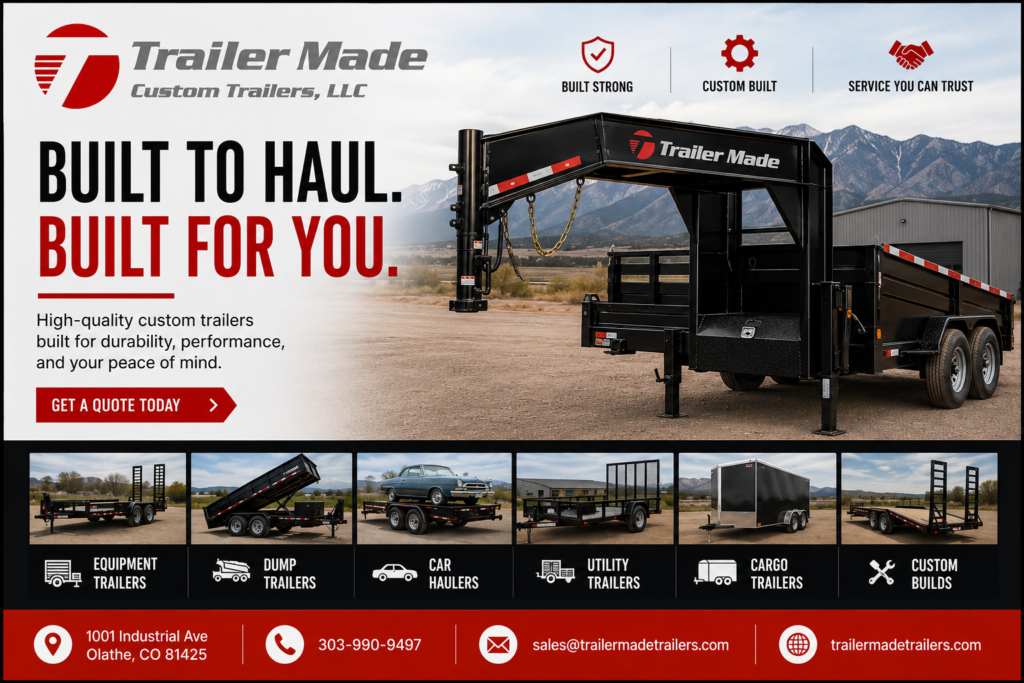
Now here’s a connection a lot of people miss. The same shops that do custom built equipment trailers, the ones hauling skid steers, generators, whatever job site gear, often have the exact fabrication skill set tiny house builders need. Heavy-duty steel work, proper welds, load calculations that actually hold up under stress. It’s not a stretch at all — a shop that’s spent years building custom equipment trailers for contractors knows how to build something that won’t fold under weight. If you’re shopping around, don’t rule out a trailer builder just because their website shows dump trailers and not tiny homes. Ask what they can do.
Don’t Skip Tiny House Code, Even If It’s Annoying
Alright, the part nobody wants to deal with. Tiny house code. It’s confusing, it changes state to state, sometimes county to county, and yeah it’s a headache. But skipping it is how people end up unable to insure their home, unable to park it legally, or worse, unable to sell it down the road. Tiny house experts push code compliance not because they love paperwork, they don’t, but because it protects the investment. RVIA certification, IRC Appendix Q, local zoning — figure out what applies to you before you build, not after.
Working With an ADU Builder Instead
For some people, a tiny house on wheels isn’t even the right move. If you’re planning to keep it in one spot permanently, working with an ADU builder might make more sense than going the trailer route entirely. Accessory dwelling units follow different rules, different foundations, and honestly open up financing options a wheeled tiny house just can’t touch. It’s worth a conversation before you commit either direction.
Bottom Line
Look, tiny house building sounds simple until you’re three months in and realize the trailer you bought cheap is now the reason your walls are cracking. Talk to real tiny house experts, ask hard questions about tiny home frame kits and trailer manufacturers, and don’t be afraid to pull ideas from shops doing custom built equipment trailers too. The pretty stuff comes later. Get the bones right first.