The furniture manufacturing industry has always depended on precise measurements, careful material selection, and efficient workflow management. In recent years, technology has stepped in to transform how manufacturers plan and execute their production processes. Cutting list software has become one of the most valuable tools available to furniture makers, allowing them to organize materials, optimize cuts, and reduce waste in ways that manual planning simply cannot match. As competition grows and customer expectations rise, the role of intelligent planning software in day-to-day manufacturing operations has never been more critical.
The Traditional Issues of Planning Furniture Production Essay
Before the advent of digital planning tools, furniture production planning was a laborious process involving handwritten lists, spreadsheets, and the experience of seasoned craftsmen. But even the most experienced furniture makers make mistakes in calculations that lead to either insufficient or excessive raw materials. And the wrong amount of boards and panels in stock directly translates into a project’s costs during the manufacturing process.
What Planning Software Can Bring to the Table
Planning software can optimize furniture production through the creation of efficient cutting lists by calculating the maximum yield of boards and panels in one sheet.
By doing so, the software reduces the wastage and unnecessary expenditure of materials and provides an accurate estimate of the required inputs to initiate the production process. Planning software essentially bridges the gap between designers and the actual production line, eliminating miscommunication and giving all stakeholders an accurate depiction of the process.
The Impact of Software on Inter-department Communication
Besides the obvious benefits of reduced waste and better estimation of expenditures, planning software can improve interdepartmental communication within a manufacturing organization. By providing a unified interface for all departments to access a single plan, the possibility of erroneous instructions from designers and mistakes resulting from poor communication is greatly reduced. Thus, software reduces production time for a given volume and ensures everyone is on the same page regarding the quantities and types of materials needed for production.
Optimizing Material Use and Saving Costs
Materials such as wood and boards are often the single largest expenditure in furniture manufacturing. Therefore, reducing waste during the cutting process of wooden boards and panels can have a significant positive impact on a manufacturing company’s bottom line. Planning software can calculate the optimal way of cutting materials to achieve maximum yield from one sheet of lumber. Therefore, manufacturers using such software can save significantly on raw materials and consequently reduce the selling price of a given furniture unit.
The Advantage of Speed and Accuracy in Providing Quotes
In the modern furniture manufacturing industry, speed is often a decisive factor in determining which manufacturer will secure an order over their competitors. With regard to quote submission, a faster rate at which competitive offers can be generated gives a manufacturing company leverage over others. Planning software can be used to generate highly competitive quotes based on the requirements specified by one’s clientele.
Such an approach eliminates the possibility of providing inaccurate figures due to miscalculations during the manual computation of raw materials. Consequently, furniture manufacturers can ensure they provide precise figures and save on costs.
Ensuring Quality Control Throughout the Production Chain
Quality control is an essential aspect of furniture production, which commences even before the production process at the planning stage. The quality of the end product will be highly dependent on the accuracy of calculation at this stage. Planning software eliminates the possibility of calculation errors when determining the dimensions of cut boards and panels. Therefore, the process is accurate, and the likelihood of producing defective items is minimized.
Increasing Flexibility and Accommodating Customization
The modern furniture industry is increasingly concerned with customization, where clients specify the dimensions and type of furniture they desire, in addition to the materials required for its production. Customization presents a great challenge to manufacturers because it requires significant flexibility on their part. But the implementation of planning software can be extremely beneficial in this regard. Such software allows producers to quickly adapt to the specific needs of each client without having to halt the entire production process.
Addressing the Need for Eco-conscious Manufacturing
As manufacturing becomes increasingly eco-conscious, clients are more concerned with reducing the environmental footprint of their business, including the production of wooden furniture. Through the minimization of waste materials, furniture manufacturing companies can reduce their environmental impact. The use of planning software can greatly assist in this endeavor by reducing the percentage of offcuts from the total amount of raw materials. As a result, manufacturers can reduce the environmental impact of their production processes while still meeting the growing demand for eco-friendly manufacturing.
Conclusion
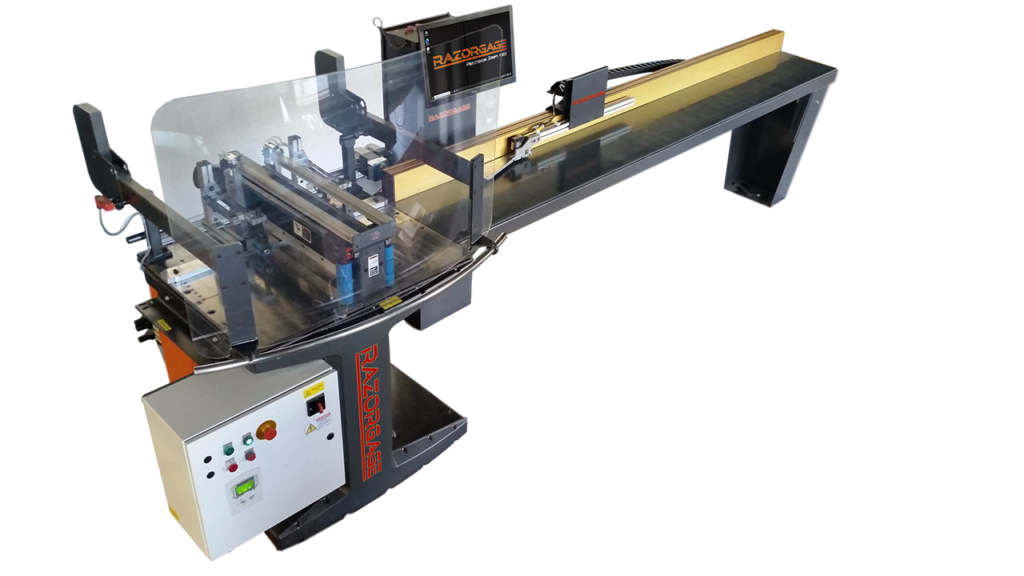
Planning software has fundamentally changed what is possible in furniture manufacturing, turning complex production challenges into manageable, data-driven processes. From reducing material waste to improving communication and enabling faster quoting, the advantages touch every part of the manufacturing operation. When combined with advanced machinery like an automatic pusher system, the entire production line becomes a seamlessly connected ecosystem where precision and efficiency reinforce each other at every stage. Manufacturers who invest in intelligent planning tools today are building the foundation for a more profitable, sustainable, and competitive future.
Frequently Asked Questions
How does planning software reduce material waste in furniture manufacturing?
Planning software uses optimization algorithms to arrange cuts in the most efficient pattern possible across available sheets of material, ensuring that the maximum amount of usable board is extracted from every panel and minimizing the amount that ends up as scrap.
Is planning software difficult to learn for workers without technical backgrounds?
Most modern planning tools are designed with user-friendly interfaces that do not require advanced technical knowledge. Basic training is usually sufficient for production staff to begin using the software effectively within a short period of time.
Can planning software handle multiple projects simultaneously?
Yes, most planning platforms are built to manage multiple projects at once, allowing manufacturers to track different orders, timelines, and material requirements in parallel without confusion or overlap between projects.
Does planning software integrate with other tools used in manufacturing?
Many planning solutions are designed to integrate with design software, inventory management systems, and production tracking tools, creating a connected digital environment where information flows smoothly between different stages of the manufacturing process.
What size of furniture manufacturing business benefits most from planning software?
Businesses of all sizes benefit from planning software, but medium to large operations tend to see the most dramatic improvements in efficiency and cost savings due to the higher volume of materials and projects they manage on a regular basis.