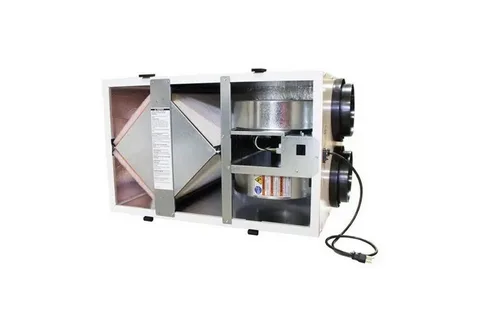
An energy recovery ventilator (HRV) is an advanced system designed to balance indoor ventilation with energy conservation. It functions by transferring heat from outgoing stale air to incoming fresh air, reducing the need for additional heating or cooling. This mechanism supports a continuous supply of fresh air while maintaining indoor temperatures, making it particularly valuable in energy-efficient designs. HRVs are suitable for a range of settings, from residential homes to commercial spaces, where maintaining air quality is essential. In addition to energy-saving benefits, these systems assist in controlling humidity levels, thus protecting indoor environments from moisture-related issues. The ability to provide consistent ventilation without significant heat loss makes heat recovery ventilators a key component in modern building design. They are increasingly recognised for their role in promoting healthier indoor spaces and contributing to sustainable practices.
Energy Efficiency in Residential Properties
Heat recovery ventilators contribute to energy efficiency in residential settings by minimising the need for supplementary heating or cooling. Through the transfer of heat between outgoing and incoming air streams, these systems ensure a more stable indoor temperature, reducing energy usage. This process enables households to maintain comfortable living conditions while lowering reliance on heating and cooling systems, ultimately decreasing utility expenses.
By integrating this technology into residential properties, energy waste is minimised, aligning with contemporary demands for sustainability. Additionally, the consistent performance of heat recovery ventilators helps create an environmentally conscious living space that supports long-term energy conservation. Their role in modern residential designs highlights their importance in achieving energy-efficient housing solutions.
Improving Indoor Air Quality
Heat recovery ventilators play a significant role in enhancing indoor air quality by ensuring the continuous exchange of stale indoor air with fresh outdoor air. This ventilation process helps to remove airborne contaminants such as volatile organic compounds, dust, and excess moisture that may accumulate within enclosed spaces. By maintaining a steady influx of fresh air, these systems contribute to creating a healthier and more comfortable indoor environment.
Moreover, they help regulate indoor oxygen levels, which is particularly beneficial in tightly sealed buildings where natural airflow is restricted. The ability of heat recovery ventilators to improve air quality is especially valuable in settings where maintaining a hygienic and pollutant-free atmosphere is essential for occupant wellbeing.
Ventilation in Urban Settings
Urban areas often face challenges such as poor air quality and elevated noise levels, making effective ventilation systems essential. Heat recovery ventilators provide a practical solution by facilitating air exchange without requiring windows to be opened, thereby limiting exposure to outdoor pollutants and street noise. These systems are particularly beneficial in high-density environments where maintaining indoor air quality can be difficult.
Additionally, HRVs help to counteract the effects of tightly sealed buildings, which are common in urban construction, by ensuring a consistent flow of fresh air. Their ability to enhance living conditions while preserving indoor tranquillity makes them a valuable addition to modern urban properties, addressing the unique needs posed by densely populated and heavily industrialised areas.
Reducing Carbon Footprint
Heat recovery ventilators support the reduction of carbon footprints by lowering energy consumption associated with temperature regulation in buildings. By efficiently transferring heat between outgoing and incoming air, these systems decrease the reliance on energy-intensive heating and cooling equipment. This reduction in energy demand directly correlates to fewer greenhouse gas emissions, contributing to a more sustainable living or working environment. Heat recovery ventilators align with environmental objectives, offering an effective means to minimise the ecological impact of buildings.
Their energy-efficient operation helps to address global concerns around climate change, demonstrating their role in supporting broader sustainability goals. The ability of these systems to integrate energy conservation with environmental responsibility makes them an essential component of eco-friendly building strategies.
Moisture Control and Mould Prevention
Heat recovery ventilators assist in maintaining balanced indoor humidity levels, which is essential for preventing excessive moisture accumulation. By effectively exchanging stale air with fresh outdoor air while regulating temperature, these systems minimise conditions that can lead to mould growth. The removal of excess moisture from indoor spaces helps to protect building materials from deterioration, safeguarding the structural integrity of the property.
Additionally, controlling humidity levels contributes to creating a more comfortable and hygienic indoor environment, reducing the risk of moisture-related health concerns. This functionality is particularly advantageous in areas prone to high humidity, where maintaining optimal moisture levels is vital for preserving both the property and the wellbeing of its occupants.
Application in Commercial Buildings
Heat recovery ventilators are widely utilised in commercial buildings to promote a healthier and more energy-efficient indoor environment. By providing a steady flow of fresh air while minimising heat loss, these systems contribute to maintaining comfortable conditions in office spaces, retail settings, and other commercial establishments. Their ability to regulate temperature and control humidity helps protect indoor spaces from issues such as moisture build-up, which can impact structural integrity and overall air quality.
Furthermore, enhanced ventilation supports compliance with workplace health and safety standards, ensuring an environment conducive to productivity. Heat recovery ventilators are particularly beneficial in large-scale commercial spaces, where efficient air circulation is essential for maintaining occupant comfort and meeting energy-saving objectives.
Noise Reduction Benefits of Energy Recovery Ventilator
Energy recovery ventilator contributes to maintaining a quieter indoor environment by facilitating effective ventilation without the need to open windows. This design prevents the intrusion of external noises such as traffic, construction, or other urban sounds, making them particularly beneficial in densely populated or high-noise areas. By functioning within a sealed system, these units ensure that air quality is improved without compromising the tranquillity of indoor spaces.
Additionally, the advanced technology used in heat recovery ventilators enables them to operate with minimal noise emissions, further enhancing their suitability for noise-sensitive settings, such as offices, libraries, and residential properties. This dual benefit of limiting outdoor noise while operating quietly makes these systems a valuable addition to modern building solutions.
Integration with Smart Home Systems
Heat recovery ventilators are increasingly being designed to integrate seamlessly with smart home systems, offering advanced control and monitoring capabilities. These systems can be programmed to adjust ventilation settings automatically based on indoor air quality or temperature conditions, enhancing both convenience and efficiency.
By connecting to centralised smart home platforms, heat recovery ventilators enable real-time performance tracking and remote operation via mobile devices or automated schedules. This integration supports the optimisation of energy usage and ensures consistent air quality, aligning with the growing demand for smart and sustainable living environments.
The adaptability of these systems to modern technologies highlights their role in facilitating innovative and efficient home management solutions.
Cost Considerations and Return on Investment
The financial implications of installing a heat recovery ventilator are influenced by its energy-saving capabilities, which contribute to reduced operational costs over time. These systems optimise heating and cooling efficiency, leading to noticeable reductions in energy consumption. Additionally, the long-term benefits extend beyond utility savings, as properties equipped with such systems often experience an increase in market value due to their energy-efficient features.
While the upfront expense may appear significant, the cumulative cost savings achieved through improved energy performance make it a worthwhile investment. By ensuring enhanced indoor air quality and energy conservation, heat recovery ventilators support economic and environmental objectives, providing lasting value in both residential and commercial applications when properly maintained.
Role in Sustainable Architecture
Heat recovery ventilators contribute significantly to sustainable architecture by supporting the design and construction of energy-efficient buildings. Their ability to conserve energy through heat exchange aligns with the principles of reducing resource consumption in building operations.
By maintaining optimal indoor air quality while minimising energy waste, these systems help meet environmental standards and green building certifications. Their integration into modern architectural plans ensures compliance with sustainability benchmarks, enabling structures to operate with lower environmental impact.
Additionally, the functionality of these systems complements the objectives of reducing carbon emissions, fostering an environmentally conscious approach to construction. Heat recovery ventilators play an instrumental role in achieving the dual goals of efficiency and environmental responsibility within the framework of sustainable building practices.
Adaptability to Different Climates
Heat recovery ventilators demonstrate exceptional versatility, making them suitable for use in a variety of climatic conditions. In colder climates, these systems effectively retain indoor heat while supplying fresh air, reducing the burden on heating systems. Conversely, in warmer regions, they help maintain cooler indoor environments by limiting heat infiltration during ventilation.
This adaptability ensures optimal performance regardless of external weather variations, supporting consistent energy efficiency and indoor comfort. Their design allows for seamless integration into both residential and commercial properties, addressing the specific needs of diverse environmental settings without compromising functionality or efficiency.
Maintenance and Longevity
Regular maintenance ensures heat recovery ventilators continue to function effectively and efficiently. This involves tasks such as cleaning or replacing air filters, inspecting ductwork for obstructions, and checking the heat exchange core for any build-up of dirt or debris.
Scheduled servicing by qualified professionals may further optimise system performance and extend operational lifespan. Proper care not only sustains energy efficiency but also supports consistent indoor air quality, making regular upkeep an integral aspect of maintaining these ventilation systems.
Conclusion
Heat energy recovery ventilator offer an innovative and highly practical solution for modern building design across Australia. By retaining thermal energy while continuously exchanging stale indoor air with fresh, filtered outdoor air, these systems optimize indoor comfort, reduce energy consumption, and support environmental sustainability. They effectively control indoor moisture levels, reduce noise pollution, and seamlessly integrate with smart home technologies. Whether installed in residential homes or large commercial spaces, heat recovery ventilators provide a reliable mechanism for improving indoor air quality while reducing reliance on heating and cooling appliances. Investing in heat recovery technology ensures healthier living environments and long-term economic benefits.
FAQs
What is a heat energy recovery ventilator and how does it function?
A heat energy recovery ventilator is an energy-efficient ventilation system that continuously replaces stale indoor air with fresh outdoor air. It uses a heat exchange core to transfer heat energy from the outgoing exhaust air to incoming fresh air, ensuring consistent indoor temperatures without wasting energy or significantly increasing heating or cooling costs across Australia.
How do heat recovery ventilators improve indoor air quality?
Heat recovery ventilators enhance indoor air quality by continuously expelling indoor airborne contaminants, dust, volatile organic compounds, and excess humidity. The system filters incoming fresh air before distributing it throughout the property, effectively reducing allergy triggers, controlling moisture levels, and preventing mould growth in well-sealed modern Australian homes and office buildings.
Can a heat recovery ventilator lower household energy bills?
Yes, installing a heat recovery ventilator significantly reduces household heating and cooling costs. By recovering up to ninety percent of the heat from outgoing air during colder months and pre-cooling incoming air in warmer months, the system reduces the workload on central HVAC equipment, leading to lower energy consumption and reduced electricity costs.
What maintenance does a heat recovery ventilator require?
Heat recovery ventilators require minimal ongoing maintenance to ensure peak operational performance. Homeowners should inspect and clean or replace air filters every three to six months. Periodically wiping down the heat exchange core and checking outdoor intake vents prevents dust accumulation, ensuring continuous energy efficiency, optimal airflow, and extended system longevity.
Are heat recovery ventilators suitable for urban living environments?
Yes, heat recovery ventilators are ideal for urban environments where outdoor noise pollution and high traffic exhaust present challenges. They facilitate continuous fresh air ventilation without opening windows, effectively blocking out street noise and filtering outdoor air contaminants, resulting in a quieter, cleaner, and more peaceful indoor living space.
| Related Business Listings |
| Contact Directory |
| Local Business Profiles |