Choosing the right ceiling light can change how a commercial space looks and works. Offices, stores, schools, and other buildings often need lighting that is bright, efficient, and easy to maintain. That is why commercial LED ceiling lights have become a popular choice. However, LED panels, recessed lights, and surface-mount fixtures each have their own design and installation needs. Understanding the differences can make it easier to choose the right option for a specific space.
What Are LED Panel Lights?
LED panel lights are flat fixtures that provide broad, even illumination. They are often used in offices, classrooms, retail spaces, and other areas where general lighting is needed.
Their slim design gives ceilings a clean and modern look. Many panels are made to fit into suspended grid ceilings, although some can also be surface-mounted.
One of their biggest advantages is wide light coverage. Instead of focusing light in one small area, a panel spreads it across a larger space. This can help reduce dark spots and create a comfortable work environment.
Panel lights are also available in different sizes, brightness levels, and color temperatures. So, businesses can choose an option that fits their space and lighting needs.
What Are Recessed LED Lights?
Recessed lights are installed inside the ceiling, so the main body of the fixture sits above the ceiling surface. Only the trim or light opening is visible. This creates a neat, built-in appearance. Recessed fixtures are often used in offices, hotels, retail stores, restaurants, and other commercial spaces where appearance matters.
Unlike large LED panels, recessed lights can provide more focused illumination. Multiple fixtures can be placed across a room to create even lighting.
However, installation may require enough space above the ceiling for the fixture. This can make recessed lighting less suitable for certain buildings or areas with limited ceiling space.
What Are Surface-Mount Ceiling Lights?
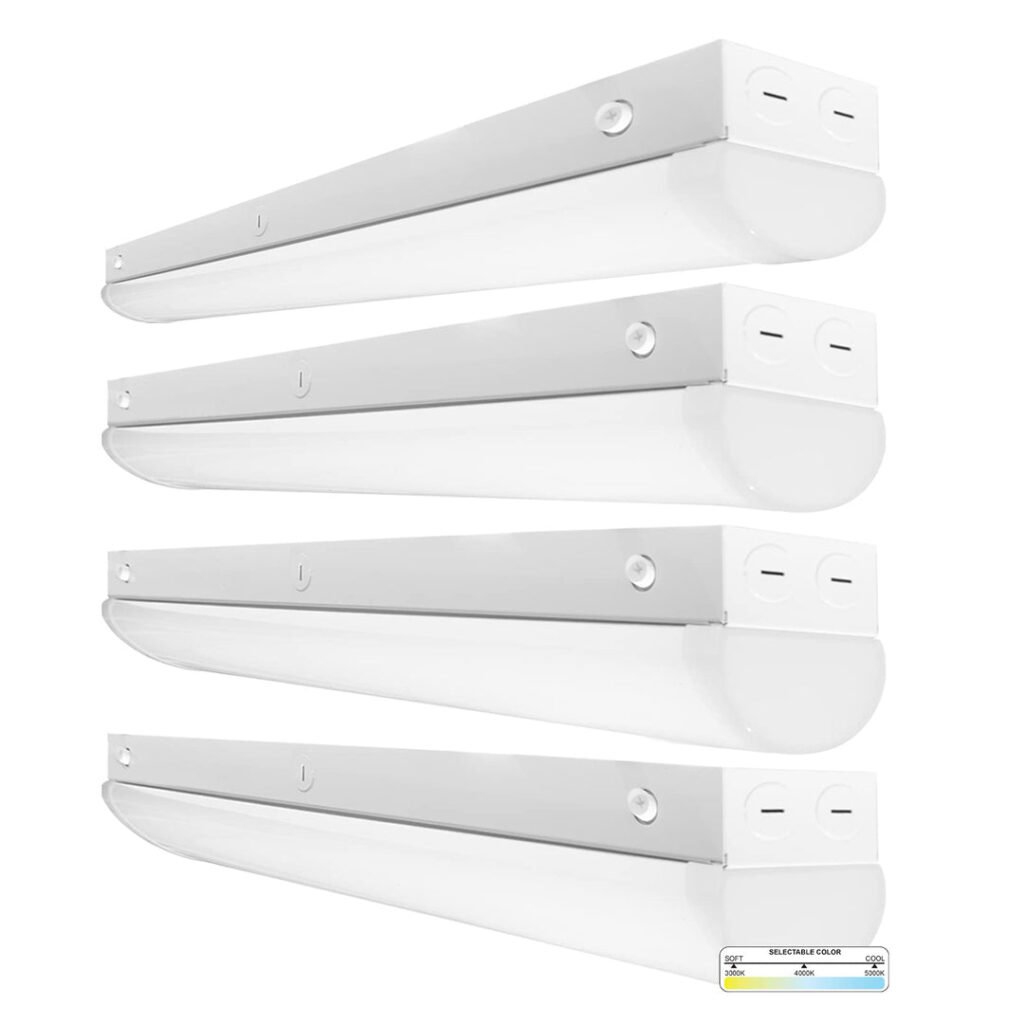
Surface-mount fixtures sit directly against the ceiling. They do not require a large opening or deep space above the ceiling.
This makes them a useful choice for buildings where recessed installation is not practical. They can work well in offices, hallways, utility rooms, retail spaces, and other commercial areas.
Surface-mount fixtures also come in different shapes and sizes. Some have a simple, flat design, while others have a more traditional appearance.
Installation is generally straightforward because the fixture attaches directly to the ceiling. As a result, they can be a practical choice for renovation projects.
How Do They Compare in Appearance?
Each lighting style creates a different look. LED panels have a flat, modern appearance and blend well with grid ceilings. They can make large spaces look clean and organized.
Recessed lights offer the most built-in appearance. Since they sit inside the ceiling, they create a simple and less noticeable look.
Surface-mount fixtures are more visible because they sit below the ceiling. However, modern designs can still look sleek and professional. So, the right choice often depends on the style a business wants to create.
Which Option Provides Better Light Coverage?
Light coverage depends on the fixture’s size, brightness, beam angle, and placement. Still, each type has some general strengths.
LED panels are great for broad, even lighting. They work particularly well in large open spaces.
Recessed lights are better suited to focused or layered lighting. Businesses can place several fixtures around a room to create the desired level of brightness.
Surface-mount lights can also provide broad coverage, especially when larger fixtures are used.
Before choosing, businesses should consider the room size and layout rather than simply picking the brightest fixture available.
What About Installation?
Installation is another major difference. LED panels can be relatively simple to install when replacing fixtures in compatible grid ceilings. Recessed lights usually require more planning because a ceiling opening is needed.
Surface-mount fixtures can be easier to add during renovations because they attach directly to the ceiling.
For larger commercial projects, professional installation is recommended. Proper placement and wiring can help ensure the lighting system performs as expected.
Which Option Is More Energy Efficient?
All three types can provide excellent energy efficiency when equipped with quality LEDs. Modern commercial LED light bulbs and fixtures use less electricity than many older lighting technologies.
Because of this, businesses can reduce energy use while maintaining good brightness. The actual savings will depend on the fixture, wattage, operating hours, and existing lighting system.
Long LED lifespans can also reduce the need for frequent replacements. That can lower maintenance work over time.
How Should Businesses Choose?
There is no single best fixture for every commercial space. Choose commercial LED ceiling lights based on the ceiling type, room size, desired appearance, installation needs, and lighting goals.
LED panels are a strong choice for large, open areas. Recessed lights work well when a built-in look and focused lighting are preferred. Surface-mount fixtures are useful when ceiling space is limited or a simpler installation is needed.
It is also worth considering color temperature, brightness, dimming options, and maintenance requirements before making a decision.
Wrapping Up
LED panels, recessed lights, and surface-mount fixtures all have a place in commercial lighting. The main difference comes down to how they are installed, how they look, and how they spread light.
With the right commercial LED light bulbs and fixtures, businesses can create spaces that are bright, comfortable, and energy-efficient.
The best option is the one that matches the building and its daily needs. A little planning upfront can go a long way toward creating a lighting system that works well for years.