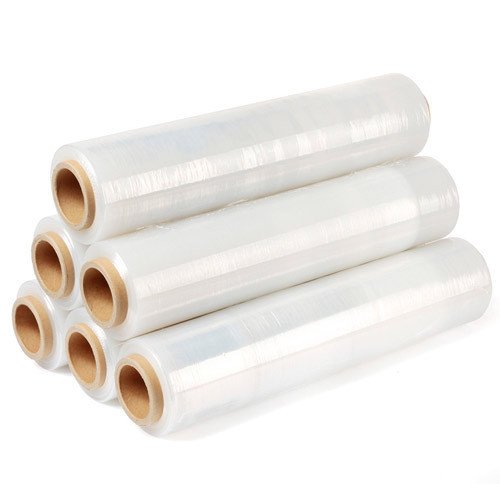
When products need to be moved, stored, or shipped safely, keeping them stable and protected is essential. Stretch Wrapping Film is one of the most practical packaging materials used for this purpose. It can hold cartons, boxes, pallets, and individual products together while helping protect them from dust, moisture, and handling damage.
Stretch film is flexible, strong, and designed to stretch around products without taking up much storage space. From warehouses and manufacturing facilities to retail operations and shipping departments, it can make pallet wrapping faster and more efficient.
This guide explains what stretch wrapping film is, how it works, the different types available, its main benefits, and how to choose the right option for your packaging needs.
What Is Stretch Wrapping Film?
Stretch wrapping film is a thin, flexible plastic packaging material designed to wrap around products and loads. It is commonly made from polyethylene, particularly linear low-density polyethylene (LLDPE).
The film stretches when tension is applied. Once wrapped around a product or pallet, it creates a tight layer that helps hold the load together. This makes it easier to move and transport goods without individual boxes shifting excessively.
Unlike shrink film, stretch film generally does not require heat to create tension around a load. Its elasticity allows it to conform to different shapes while maintaining holding force.
Stretch wrapping film is available in different thicknesses, widths, lengths, and formulations. The correct choice depends on factors such as load weight, product shape, wrapping method, and storage or transportation conditions.
How Does Stretch Wrapping Film Work?
The basic principle behind stretch film is simple. The material is stretched as it is applied around a product or pallet. The film attempts to return toward its original dimensions, creating tension around the load.
This tension provides several useful packaging functions:
- Holds products together
- Reduces movement during transportation
- Helps stabilize palletized goods
- Protects surfaces from dust and dirt
- Provides a protective outer layer
- Makes handling easier
- Helps reduce the need for additional packaging materials
The amount of stretch applied matters. If the film is stretched too little, the load may not receive enough support. If it is stretched excessively, the film can break or damage certain products.
For this reason, commercial packaging operations often use dispensers or wrapping machines that help maintain consistent tension.
Main Types of Stretch Wrapping Film
Different packaging applications require different types of stretch film. Choosing the right type can improve load stability while reducing unnecessary film consumption.
Hand Stretch Film
Hand stretch film is designed for manual application. It is commonly used by warehouses, small businesses, retail stores, and shipping departments that do not need automated wrapping equipment.
It is usually supplied in manageable rolls that can be applied using a hand dispenser or directly by the operator.
Hand film works well for:
- Small pallet loads
- Occasional packaging
- Irregular loads
- Boxes and cartons
- General warehouse applications
It is particularly useful when packaging requirements vary from one shipment to another.
Machine Stretch Film
Machine stretch film is designed for use with automatic or semi-automatic pallet wrapping machines. These systems can wrap loads quickly and apply consistent tension.
Machine wrapping is often suitable for businesses handling large volumes of pallets every day.
Benefits can include:
- Faster wrapping
- Consistent film tension
- Reduced manual handling
- More uniform pallet presentation
- Potentially lower film consumption
The exact film specification should match the wrapping machine and the type of load being packaged.
Pre-Stretched Film
Pre-stretched film has already been stretched during manufacturing. Because it requires less force during application, it can be easier to use manually.
It can be useful where operators need a lightweight and efficient wrapping solution. Pre-stretched film may also reduce physical effort compared with conventional hand film.
Colored Stretch Film
Colored stretch film can be used when businesses need to identify, separate, or organize loads.
For example, different colors can represent different departments, destinations, product categories, or handling requirements.
It can also provide additional visual privacy for certain shipments.
Black Stretch Film
Black stretch film is often selected when businesses want greater product concealment during storage or transportation.
It can help prevent the contents of a wrapped pallet from being immediately visible. This may be useful for valuable goods, sensitive shipments, or products that need additional privacy.
Clear Stretch Film
Clear film is one of the most common choices because it allows the contents of the pallet to remain visible.
This makes it easier for warehouse staff to identify products, labels, and shipping information without removing the wrapping.
Benefits of Stretch Wrapping Film
The popularity of stretch film comes from its combination of flexibility, strength, and convenience.
Improved Load Stability
One of the primary purposes of stretch wrapping film is to keep products together.
When cartons are stacked on a pallet, they can shift during loading, unloading, or transportation. Proper wrapping creates tension around the load and helps reduce unwanted movement.
Stable loads are easier to handle and can reduce the risk of cartons falling from the pallet.
Protection From Dust and Dirt
Warehouses and transportation environments can expose products to dust and other contaminants.
A layer of stretch film creates a barrier around the outside of the load. While it is not a replacement for specialized waterproof packaging, it can help keep ordinary dirt and dust away from packaged products.
Moisture Protection
Certain stretch films can provide a degree of protection against moisture and environmental exposure.
This can be particularly useful during short-term storage or transportation. However, businesses should select an appropriate film when products require stronger moisture protection.
Reduced Product Movement
Loose cartons can move against each other during transportation. This can result in damaged packaging, scuffed surfaces, or unstable stacks.
Stretch film helps bind the load into a more unified unit, reducing unnecessary movement.
Easy Application
Stretch wrapping film can be applied manually or with machinery. This flexibility makes it suitable for businesses of different sizes.
Small businesses can use hand rolls, while high-volume warehouses can use automated wrapping systems.
Space Efficient
Stretch film is thin compared with many other packaging materials. Rolls can be stored in relatively small areas while still providing a significant amount of wrapping material.
This can be useful for warehouses where storage space needs to be carefully managed.
Stretch Film vs Shrink Film
Stretch film and shrink film are sometimes confused because both are used for packaging. However, they work differently.
Stretch film relies on mechanical stretching and tension. It is commonly used to stabilize pallets and grouped products.
Shrink film, on the other hand, is designed to contract when exposed to controlled heat. It can create a tighter package around certain products.
Stretch film is generally preferred for pallet stabilization because it can be applied quickly without a heat source.
The choice between the two depends on the product, packaging process, equipment, and required level of protection.
Where Is Stretch Wrapping Film Used?
Stretch wrapping film is used across many industries because its applications are not limited to one type of product.
Warehousing
Warehouses use stretch film to secure pallets before they are moved or shipped.
It can help organize products and keep multiple cartons together during internal transportation.
Manufacturing
Manufacturers often use stretch film to package finished products, components, raw materials, and palletized goods.
It can be integrated into production and dispatch processes where loads need to be prepared quickly.
Retail
Retail businesses can use stretch film for stock handling, backroom storage, and shipments between locations.
Clear film can make it easier to identify products without opening the pallet.
Food and Beverage
Stretch film is frequently used around packaged food and beverage products during storage and distribution.
The selected film should always be appropriate for the specific packaging application and comply with relevant requirements where applicable.
Construction
Construction companies can use stretch film to bundle materials and protect packaged goods during transportation.
It may be used for items such as boxed hardware, fittings, tools, and other materials that need to remain together.
Logistics and Transportation
Shipping companies and logistics providers rely on stable pallet loads. Stretch wrapping film can help secure shipments before they enter trucks, containers, or other transportation systems.
How to Choose the Right Stretch Wrapping Film
Choosing the correct film is important because there is no single product that works perfectly for every application.
Consider these factors before purchasing.
Load Weight
Heavy pallets generally require film with appropriate strength and holding force.
A lightweight film may work well for small cartons but may not provide sufficient stability for heavy loads.
Load Shape
Regular, square pallets are generally easier to wrap than irregular or unusually shaped loads.
If the load contains sharp edges, corners, or protruding items, a stronger or more puncture-resistant film may be appropriate.
Wrapping Method
Decide whether the film will be applied manually or with a wrapping machine.
Hand stretch film is designed for manual use, while machine stretch film is manufactured for equipment-based applications.
Required Stretch
Different films have different stretch characteristics. The correct amount of stretch depends on the film specification and packaging requirements.
Using a suitable film can help balance material usage and load stability.
Storage Conditions
Think about where the wrapped goods will be stored and how long they will remain wrapped.
Indoor warehouse storage may have different requirements from outdoor transportation or extended storage.
Product Sensitivity
Some products require more careful wrapping than others. Fragile cartons, delicate surfaces, and products with sharp edges may require specialized film or additional protective packaging.
How to Use Stretch Wrapping Film Correctly
Good wrapping technique is just as important as choosing the right film.
Start by positioning the load securely on the pallet. Make sure the products are stacked properly and that unstable cartons are corrected before wrapping.
Attach the film near the bottom of the pallet and begin wrapping around the base. Keep the film under controlled tension while moving around the load.
Overlap each layer sufficiently so the film creates continuous support. Continue upward while maintaining consistent tension.
For taller loads, pay attention to the upper section and ensure the top cartons receive adequate stabilization.
Once wrapping is complete, secure the end of the film properly.
For machine wrapping, follow the equipment manufacturer’s instructions for film tension, wrapping speed, number of rotations, and other settings.
Common Stretch Film Mistakes to Avoid
Even high-quality film can perform poorly when it is used incorrectly.
Using the Wrong Film Thickness
Choosing film only because it is inexpensive can lead to weak load stability or unnecessary film consumption.
The film should be selected according to the weight and characteristics of the load.
Applying Too Little Tension
Insufficient tension can leave the load loose. Cartons may move during transportation, reducing overall stability.
Applying Excessive Tension
Too much tension can cause film breakage and may put unnecessary pressure on products or cartons.
Ignoring Sharp Edges
Sharp corners can puncture stretch film. Products with exposed edges may need corner protection or a more suitable film specification.
Wrapping an Unstable Load
Stretch film should stabilize a properly arranged load. It should not be treated as a solution for poorly stacked or severely unstable products.
How Stretch Wrapping Film Can Improve Packaging Efficiency
Packaging efficiency is not simply about using less film. The goal is to achieve the required protection and stability while using materials responsibly.
Businesses can improve efficiency by standardizing wrapping procedures, training employees, checking equipment settings, and selecting film according to actual load requirements.
For high-volume operations, automated wrapping machines can improve consistency and reduce repetitive manual work.
Regularly reviewing film consumption can also reveal whether excessive wrapping is taking place. A load that requires five layers should not automatically receive ten.
Is Stretch Wrapping Film Recyclable?
Many stretch films are made from polyethylene, which can be recyclable where suitable collection and processing systems exist.
However, recyclability depends on the film type, contamination level, local recycling infrastructure, and applicable waste-management rules.
Businesses should keep used film as clean as practical and check local recycling requirements before sending it for recycling.
Separating stretch film from other waste streams can make collection and recycling easier in facilities that accept it.
Tips for Storing Stretch Wrapping Film
Proper storage can help maintain film quality.
Keep rolls in a clean, dry environment away from excessive heat and direct sunlight. Avoid crushing or damaging rolls during storage.
Do not place heavy materials on top of film rolls. Damaged rolls may be more difficult to apply and can perform differently from undamaged material.
If your business stores several film types, clearly label them so employees can select the correct material for each packaging task.
Frequently Asked Questions
What is stretch wrapping film used for?
Stretch wrapping film is mainly used to secure products and pallet loads. It helps hold cartons together, reduce movement, and provide protection from dust and general environmental exposure during storage and transportation.
What is the difference between stretch film and plastic wrap?
Stretch film is specifically manufactured for packaging and load stabilization. It is designed to stretch under tension and hold products together. Household plastic wrap is intended for different applications and does not generally provide the same load-holding performance.
Is stretch wrapping film waterproof?
Stretch film can provide some resistance to moisture, but it should not automatically be considered completely waterproof. The level of protection depends on the film design and how the load is wrapped.
Can stretch film be used without a dispenser?
Yes. Some hand stretch films can be applied directly by hand, although a dispenser can make wrapping easier and help improve tension and consistency.
How thick should stretch wrapping film be?
The appropriate thickness depends on the weight, shape, and characteristics of the load. Lightweight products may require thinner film, while heavy or difficult loads may need stronger film with greater puncture resistance.
Is stretch film better than shrink film for pallets?
Stretch film is commonly used for pallet stabilization because it can be applied without heat and works well for securing grouped cartons. Shrink film may be more appropriate for other packaging applications where heat shrinking is required.
Can stretch wrapping film protect products from dust?
Yes. A properly wrapped load can create an outer barrier that helps reduce exposure to dust and dirt during storage and transportation.
Can stretch wrapping film be used for irregular loads?
Yes, but irregular loads may require careful wrapping and an appropriate film specification. Sharp edges, unusual shapes, and unstable products may also require additional packaging protection.
Final Thoughts
Stretch Wrapping Film is a simple but highly useful packaging solution for securing products, stabilizing pallets, and protecting goods during storage and transportation. Its flexibility, strength, and range of available options make it suitable for businesses ranging from small warehouses to large distribution facilities.
The key is choosing the right type of film for the load and applying it correctly. Factors such as load weight, shape, wrapping method, required stretch, and storage conditions should all be considered before making a selection.
With the right film and proper wrapping technique, businesses can create more stable loads, improve handling efficiency, and reduce unnecessary packaging waste.