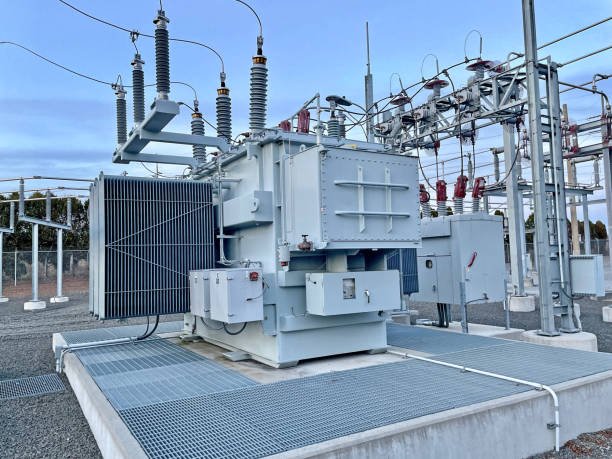
transformers manufacturing company Ireland
When you look at a transformer sitting in a substation or inside an industrial plant, it’s easy to think there isn’t much to it. A box, some bushings, cables, maybe a cooling system. That’s the outside story. Inside, things get a lot more interesting. Different materials are doing different jobs, and each one has to put up with electrical stress, heat, vibration, and years of operation. A transformers manufacturing company in Ireland doesn’t just pick materials because they are commonly available. The choice depends on what the transformer is expected to do, where it will operate, and how hard it will be pushed. Copper, electrical steel, insulation, resin, oil, and structural steel are some of the main materials involved. There are others too, and some of the smaller components can cause big problems when they’re overlooked.


Copper or Aluminium? The Winding Material Matters

Inside the transformer, you’ll find windings made from conductive material. Copper has been a popular choice for a long time, and there’s a good reason for that. It conducts electricity very well; it’s strong, and manufacturers can form it into the shapes needed for different winding designs. Aluminium gets used too. It weighs less and can make sense where the design and budget call for it. But aluminium has lower electrical conductivity than copper, so you can’t always swap one for the other and expect the same result. The conductor size, joints, and winding arrangement may all change. There’s also heat to think about. Windings warm up during operation, and the manufacturer has to make sure that heat can get away without damaging the insulation. It sounds obvious, but this is where proper design makes a difference.

Electrical Steel Does the Magnetic Work

The transformer core is usually built from thin sheets of electrical steel. You might hear it called silicon steel, and it’s not there just because steel happens to be strong. Its magnetic properties are what matter. The core provides a path for magnetic flux between the windings. Unfortunately, magnetic fields can also create losses inside the core, especially through eddy currents. Using thin laminated sheets, with insulation between them, helps keep those losses under control. Grain-oriented electrical steel is commonly used in transformers because it has useful magnetic characteristics in the direction where the flux is intended to travel. Manufacturers have to pay attention to how the laminations are cut and assembled as well. Tiny mistakes can add up. A transformer that looks fine on the outside can still waste more energy than it should if the core isn’t put together properly.

Insulation Is Doing a Very Serious Job

People tend to notice copper first when talking about transformer construction. Fair enough. But insulation deserves just as much attention. Without it, the electrical parts inside the transformer would be far too close for comfort. Transformer insulation can include paper, pressboard, laminated materials, and other specially developed insulating products. These materials separate conductors and help control electrical stresses. They also have to survive heat over long periods. That part is important because insulation normally doesn’t fail overnight for no reason. It can gradually deteriorate when exposed to excessive temperature, moisture, electrical stress, or contamination. Once it has deteriorated enough, trouble usually follows. This is why drying and insulation treatment during manufacturing matters. It’s not glamorous work, and nobody sees it once the transformer is installed, but it has a lot to do with whether that equipment is still healthy years later.

Resin Makes Dry-Type Transformers Different

Dry-type transformers have a different approach to insulation and protection. Instead of relying on a tank filled with insulating liquid, some designs use epoxy resin around the windings. Cast resin transformers are a common example. The resin provides electrical insulation while also protecting the windings from dust, moisture, and other contaminants. That makes these transformers useful in places such as commercial buildings, industrial facilities, and indoor electrical rooms where using oil may not be desirable. But there’s a little more to it than pouring resin over a winding. The resin system needs to be properly mixed and processed, and the curing stage has to be controlled. Air pockets or imperfections inside the resin can become weak points. So yes, the material matters. The manufacturing process matters just as much, maybe more than people realise.

Transformer Oil Still Has Plenty of Uses

Then we come to liquid-filled transformers. These use insulating liquid around the active parts, with mineral transformer oil being one of the most familiar choices. Search for oil transformers Ireland, and you’ll find equipment designed around this type of construction. The oil has two jobs that are especially useful: insulation and cooling. As the windings and core produce heat, the liquid helps move that heat toward the cooling surfaces and radiators. At the same time, it provides insulation between components operating at different electrical potentials. The oil needs to be clean and dry, though. Moisture is not its friend. Contaminated or poorly maintained oil can reduce insulation performance and create other operating issues. Some modern installations also use ester fluids, particularly where fire safety or environmental considerations make them attractive. The right liquid depends on the application, not just what happens to be cheapest.

Steel, Porcelain, Rubber and the Smaller Pieces

There’s plenty of material in a transformer that doesn’t get mentioned in the usual conversations. The main tank, for example, is generally made from steel because it needs to handle the physical weight of the transformer and withstand outdoor conditions. Frames, clamps, and other mechanical parts also need enough strength to keep everything in place. Then there are bushings, seals, gaskets, and connection components. Bushings can use porcelain, epoxy, or composite materials depending on the design. Sealing materials stop moisture from getting where it shouldn’t. Corrosion protection is another concern, particularly for equipment installed outdoors. A decent coating system on a steel tank can make a meaningful difference over the years. None of these parts are especially exciting. Still, a cracked bushing or failed gasket doesn’t become less important just because it’s a small component.

The Application Usually Decides the Materials

So, is there a standard material combination that every transformer manufacturer follows? Not really. Transformer design doesn’t work that neatly. A small distribution transformer serving a local network has different demands from a large power transformer working at a major substation. A cast resin unit installed inside a building has different requirements again. Voltage, current, cooling method, operating temperature, installation location, and expected loading all influence the material choices. Cost enters the discussion too, obviously. But going for the cheapest option at the start can be a false saving. A material that produces higher losses or needs more maintenance can cost considerably more over its working life. Experienced manufacturers look at the whole picture. They consider how materials behave together, not just how each material performs by itself. That’s the part that takes engineering judgement.

Conclusion: Materials Set the Foundation

There’s no single material that makes a transformer good. It’s the combination, and the way those materials are used. Copper or aluminium handles the current. Electrical steel forms the magnetic path. Insulation keeps the electrical sections separated. Resin gives dry-type designs their protection, while oil or another insulating fluid provides cooling and insulation in liquid-filled units. This is particularly relevant when specifying oil transformers in Ireland, where the choice of materials and insulation systems can affect efficiency, reliability, and long-term performance. Steel keeps the whole assembly physically together, and the less noticeable parts help protect it from moisture, vibration, and the weather. The truth is, good raw materials can still produce a poor transformer if the design or manufacturing process is careless. That’s why experienced transformer manufacturers pay attention to the details, even the boring ones. A transformer is expected to sit there and work for years without making a fuss. Getting the materials right is one of the first steps toward making that happen.

Leave a Reply

Your email address will not be published. Required fields are marked *