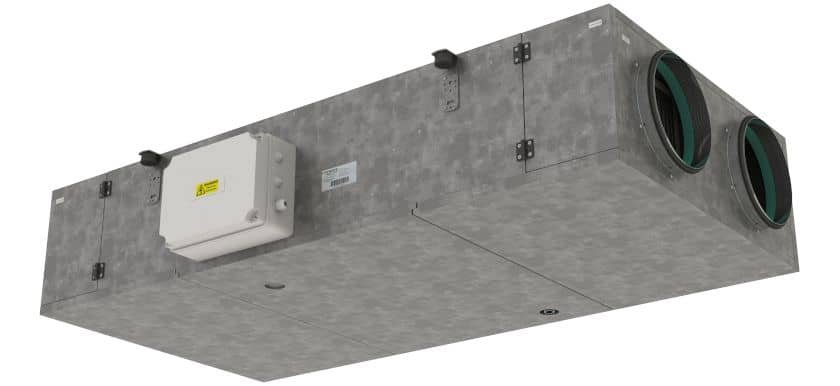
A heat recovery ventilator offers a practical way to support indoor air quality while improving energy efficiency in modern homes. The system transfers thermal energy from stale outgoing air to incoming fresh air, helping maintain comfortable temperatures while reducing avoidable heat loss. This technology can be particularly valuable in well-insulated and airtight properties, where maintaining adequate ventilation through conventional methods may otherwise result in greater energy loss.
By incorporating this ventilation approach, homes can maintain more consistent indoor temperatures, potentially reduce heating requirements, and encourage a fresher living environment. Heat-recovery ventilators combine controlled air exchange with thermal energy recovery, making them a practical consideration for contemporary residential properties focused on comfort, efficient operation, and more sustainable household energy use.
Heat Recovery as an Energy-Efficient Home Ventilation Approach
Heat recovery has become an important consideration for improving energy efficiency across modern residential properties. It transfers warmth from stale air leaving the home to fresh air entering the property, helping reduce valuable heat loss during ventilation. This method is particularly suitable for homes with strong insulation and airtight construction, where natural air movement may be limited. Incorporating heat recovery enables these properties to maintain comfortable indoor conditions while reducing unnecessary energy losses.
The process can also contribute to more consistent indoor temperatures while lowering the demand placed on heating equipment. It reduces the amount of cold outdoor air introduced directly into living areas, helping maintain steady comfort levels. Heat-recovery technology encourages more efficient energy use, making it a practical consideration for households seeking to reduce energy requirements while supporting good indoor air quality and comfortable living conditions.
How Ventilation Influences Indoor Living Conditions
Ventilation contributes significantly to maintaining a comfortable and healthy indoor atmosphere by removing stale air and unwanted pollutants while supplying a steady flow of fresh air. This exchange supports humidity management by reducing excess moisture that may contribute to dampness or mould, while also helping avoid overly dry conditions that can create discomfort. Efficient ventilation can further assist temperature stability, helping maintain a consistent indoor climate and reducing the workload placed on heating and cooling equipment.
By regularly replacing indoor air with outdoor air, ventilation systems can limit the buildup of allergens, unpleasant odours, and airborne contaminants. Balanced airflow can also improve the general atmosphere throughout a property by promoting cleaner air and creating a fresher, more comfortable residential environment.
Maintaining Balanced Airflow with a Residential Heat Recovery Ventilator
A residential heat recovery ventilator offers an effective approach to maintaining balanced and comfortable indoor conditions. By managing the exchange between indoor and outdoor air, it helps limit stale air and excessive humidity from building up, factors that can influence indoor comfort and air quality. Its ability to transfer heat between outgoing and incoming air also supports energy efficiency by reducing reliance on conventional heating equipment. This function is particularly beneficial in well-insulated properties where natural ventilation can be limited.
The system can also encourage more consistent air distribution throughout the home, allowing different rooms to receive balanced airflow and maintain comfortable temperatures. Along with supporting healthier indoor air quality, this ventilation method can create a more stable and efficient living environment by managing air movement while retaining useful heat during the exchange process.
Managing Ventilation without Excessive Indoor Heat Loss
Efficient ventilation can help minimise indoor heat loss by maintaining a suitable balance between fresh air supply and energy retention. Conventional ventilation approaches may allow significant amounts of warm air to escape, increasing energy consumption as heating systems compensate for the lost warmth. With a heat-recovery ventilator, warmth from outgoing air can instead be captured and transferred to incoming fresh air.
This process helps conserve energy while supporting a more stable indoor climate and reducing uncomfortable cold draughts. Controlled air exchange allows consistent warmth to be maintained without some of the inefficiencies associated with traditional ventilation methods. By lowering dependence on primary heating, the system can further support energy conservation and overall household efficiency while contributing to a more comfortable and sustainable living environment.
Improving Residential Efficiency through an Air Recovery System
An air recovery system is designed to combine effective ventilation with more responsible household energy management. By capturing heat from stale air leaving the property and transferring it to fresh air entering the home, these systems can reduce the need for additional heating and help lower overall energy consumption. This process supports steadier indoor temperatures while limiting the fluctuations often associated with conventional ventilation methods.
An air recovery system can also contribute to better indoor air quality by continuously supplying fresh air while removing pollutants, stale air, and excess moisture. Its ability to combine ventilation efficiency with heat retention makes it a suitable consideration for contemporary homes, particularly properties located in areas with significant temperature variations. Integrating this technology can help households improve energy performance, manage utility requirements, and create a more sustainable and comfortable indoor environment.
Maintaining Even Indoor Temperatures
A heat-recovery ventilator contributes to stable indoor temperatures by enabling effective heat exchange as fresh air enters and stale air exits a home. The system transfers useful warmth from outgoing air to incoming air, helping minimise uneven temperature areas, cold spots, and unwanted draughts. This process allows different rooms to experience a more consistent and comfortable indoor climate. Retaining heat during ventilation can also reduce the workload placed on heating equipment, as less additional energy is required to restore lost warmth.
By encouraging balanced heat distribution and supporting stable indoor conditions, this technology can improve household comfort without requiring excessive energy consumption. Consistent temperatures may also contribute to a healthier living environment, as reducing significant temperature changes can help limit moisture-related concerns such as dampness while supporting more efficient energy use throughout the property.
Financial and Practical Advantages of Choosing to Buy Heat Recovery Ventilator
For households looking to buy heat recovery ventilator, choosing a heat-recovery ventilator can offer potential long-term financial benefits through improved residential energy efficiency. These systems reduce heating requirements by recovering warmth from outgoing indoor air and transferring it to incoming fresh air, helping decrease overall energy consumption. This effective heat exchange can contribute to lower utility expenses while reducing the workload placed on heating equipment, potentially supporting longer operating life.
Improved ventilation can also promote healthier indoor conditions, making the system a practical consideration for households aiming to combine comfort with more sustainable energy practices. A heat-recovery ventilator supports energy-conscious residential living by addressing the need for comfortable indoor temperatures while helping manage ongoing energy expenditure. Through controlled air exchange and useful heat retention, this technology can encourage responsible energy use while helping households balance operating costs, comfort, and environmental considerations.
Supplying Fresh Air While Preserving Household Energy
A heat-recovery ventilator can provide a steady supply of fresh air while maintaining energy efficiency, making it a valuable component for contemporary homes. By transferring heat from outgoing stale air to incoming fresh air, it helps maintain comfortable indoor temperatures while reducing reliance on primary heating systems. This process limits the heat loss commonly associated with traditional ventilation approaches, allowing household energy to be used more efficiently.
Continuous air exchange also helps maintain indoor air quality by removing pollutants and excess moisture without creating uncomfortable cold draughts. Unlike conventional ventilation methods that may result in greater energy loss, heat-recovery technology allows fresh-air circulation without sacrificing efficiency. Its design supports a practical balance between indoor comfort and responsible energy use, contributing to healthier living conditions while helping manage household consumption.
Air Recovery Unit Functions for Modern Residential Ventilation
An air recovery unit contributes to residential ventilation by combining improved energy performance with better indoor air quality. The system allows indoor and outdoor air to exchange efficiently, providing a continuous flow of fresh air while removing stale air and unwanted humidity. By recovering heat from extracted indoor air and transferring it to incoming fresh air, it can reduce dependence on primary heating equipment and help conserve household energy.
Its operation can support a more balanced indoor climate by limiting cold draughts and reducing temperature differences between rooms. The unit can also help remove airborne pollutants, allergens, and unpleasant odours, contributing to a cleaner and more comfortable living environment. Designed to function across changing weather conditions, it can maintain consistent ventilation during warmer and colder periods, making it suitable for households seeking improved airflow alongside greater energy efficiency.
Creating Cleaner Indoor Conditions through Controlled Ventilation
Maintaining a comfortable home requires suitable air quality alongside balanced indoor conditions. Ventilation systems using heat-recovery technology can help control pollutants, allergens, and excess moisture that may accumulate throughout residential spaces. By regulating indoor and outdoor airflow while retaining useful heat, these systems assist with humidity and temperature management, helping create a more stable and comfortable atmosphere.
Improved air circulation can reduce airborne irritants and unwanted odours, supporting a fresher and cleaner household environment. Effective moisture and condensation control can also limit conditions that encourage mould growth, which may affect occupant comfort and building materials. A properly ventilated property can therefore support healthier living conditions while maintaining a pleasant indoor atmosphere through seasonal temperature changes.
Efficient Thermal Exchange for Lower Household Energy Use
Heat exchange technology can reduce household energy requirements by improving thermal efficiency throughout the ventilation process. As stale indoor air leaves the property, useful heat can be recovered and transferred to incoming fresh air, reducing the additional heating required to maintain comfortable temperatures. This approach can lower dependence on conventional heating equipment while helping households manage energy consumption and ongoing operating costs.
Retaining more useful heat can also promote a steadier indoor climate, reducing the need for frequent temperature changes or heating adjustments. Lower energy requirements can contribute to more sustainable household operation while supporting the efficient performance of associated heating systems. By limiting avoidable heat loss and maintaining better thermal balance, heat exchange technology offers a practical approach for residential properties seeking improved energy management without reducing ventilation effectiveness.
Year-Round Residential Comfort with Heat Recovery
Heat-recovery systems can provide adaptable benefits that help maintain comfortable residential conditions across different times of the year. By managing thermal transfer during ventilation, heat recovery systems can accommodate changing seasonal requirements. During colder periods, they recover warmth from outgoing indoor air and transfer it to incoming fresh air, helping reduce heating demand and maintain comfortable conditions. During warmer periods, they continue providing ventilation while assisting with humidity control and supporting fresher indoor airflow.
This flexibility can reduce reliance on multiple climate-control measures while contributing to more efficient household energy use. Balanced airflow can also minimise temperature variations between rooms, helping establish a more consistent indoor environment. The ability to function across changing seasonal conditions makes heat-recovery technology a practical consideration for households seeking dependable ventilation, efficient energy use, and comfortable indoor conditions throughout the year.
Conclusion
Using a heat recovery ventilator offers an effective way to manage indoor air quality and thermal comfort within residential properties. These systems provide balanced air exchange while recovering heat during ventilation, helping reduce energy use and related operating expenses. Incorporating this technology can improve indoor airflow while supporting efforts to reduce environmental impact. Combining thermal recovery with continuous ventilation helps establish a healthier and more stable indoor environment suited to modern energy-efficient living. Such systems can be especially useful for maintaining comfortable conditions in well-insulated residential properties.
FAQs
What does a residential heat recovery ventilator do?
A residential heat recovery ventilator supports efficient ventilation by transferring heat from outgoing stale air to incoming fresh air, helping conserve energy while maintaining better indoor air quality.
Can a heat-recovery ventilator support greater energy efficiency?
Yes, a heat-recovery ventilator can enhance energy efficiency by limiting thermal losses during ventilation, potentially reducing dependence on heating systems and lowering overall energy consumption.
How does an air recovery system support residential ventilation?
An air recovery system improves residential ventilation by extracting stale indoor air and bringing in fresh outdoor air while recovering thermal energy to help maintain more consistent indoor temperatures.
Can a heat-recovery system help control indoor humidity?
Yes, these systems can assist with humidity control by removing excess moisture from indoor air, helping reduce dampness and issues associated with condensation.
| Related Business Listings |
| Contact Directory |
| Local Business Profiles |