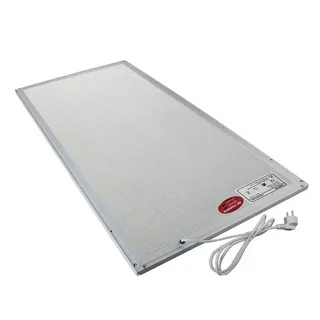
Infrared radiant-heating panels are providing a practical approach to modern indoor heating by combining efficient performance, sustainability, and adaptable design. These systems use infrared technology to deliver warmth directly to surfaces, objects, and occupants within a room rather than relying primarily on heated air. Direct heat transfer can support consistent indoor comfort while helping reduce unnecessary energy consumption. Their slim construction also allows them to integrate easily with different interior layouts and design preferences across residential and commercial properties. As demand for energy-conscious and environmentally responsible heating continues to increase, infrared radiant heating panels offer a versatile heating option that supports comfortable indoor environments while maintaining a streamlined appearance.
Direct Heat Delivery and Everyday Comfort
Infrared radiant-heating panels provide an efficient method of maintaining comfortable indoor temperatures. Rather than primarily heating the surrounding air like conventional systems, these panels transfer warmth directly to surfaces, objects, and occupants, producing a steady and immediate sensation of heat. This approach can help reduce heat loss, particularly within areas affected by draughts or insufficient insulation, while supporting more efficient energy use.
Targeted heat distribution may also help lower overall energy consumption, making infrared panels suitable for ongoing heating requirements. Their silent operation offers another benefit, providing warmth without the mechanical sounds produced by certain traditional heating systems.
Reduced air circulation can further limit the movement of dust and airborne allergens, potentially contributing to a more comfortable indoor atmosphere. Flexible installation options allow these systems to suit residential and commercial applications, while their capacity to heat differently sized spaces adds further versatility. By warming surrounding surfaces and limiting uneven temperature areas, infrared panels can help provide more consistent comfort throughout occupied rooms.
Lower Energy Use and Environmental Considerations
Infrared radiant-heating panels can contribute to sustainable heating practices by offering an energy-conscious alternative to conventional systems. By directing warmth towards surfaces and objects instead of depending mainly on heated air, these systems can minimise unnecessary energy loss and potentially reduce electricity consumption. Improved efficiency may also help lower greenhouse gas emissions, making the technology relevant to environmentally conscious heating requirements. Durable construction can extend panel longevity, reducing the frequency of replacement and helping minimise material waste.
As infrared panels operate without combustion, normal use does not generate combustion-related pollutants, which can support cleaner indoor conditions. These systems can also work with renewable electricity sources, including solar power installations, providing greater compatibility with sustainable energy arrangements. Such flexibility can reduce reliance on conventional energy sources while supporting wider environmental objectives. With continued interest in efficient and lower-emission heating technologies, infrared radiant-heating panels offer a practical option for more environmentally responsible indoor heating.
Integrating Infrared Heating with Interior Design
Infrared heating panels combine functional warmth with adaptable designs that can complement various interior settings. Their slim and minimalist profiles can work effectively within contemporary properties as well as more traditional spaces. A selection of finishes and surface styles is available, including options designed to resemble mirrors or decorative elements, providing greater choice when matching panels with an interior.
Their compact form allows installation across walls or ceilings without occupying valuable floor space. Certain panels feature distinctive materials, textures, and patterns that can help them integrate naturally with existing décor. This adaptability makes infrared heating panels suitable for residential and commercial environments where maintaining a discreet visual presence is important.
Combining aesthetic flexibility with effective heating allows these panels to contribute to a cohesive indoor setting. Their modern appearance does not compromise their practical purpose, enabling visual appeal and efficient warmth to function together across contemporary living and working environments.
Comparing Infrared Heating Panels with Traditional Heating
Infrared heating panels and traditional heating systems differ significantly in their approach to warming spaces. Infrared panels operate by emitting infrared radiation that directly heats objects and surfaces, creating a consistent and immediate warmth. In contrast, traditional systems typically warm the air, which can result in uneven heat distribution and potential energy loss, especially in poorly insulated areas.
Infrared panels are known for their silent operation and lack of moving parts, offering a discreet alternative to some traditional systems that may produce noise or require regular maintenance. Furthermore, their ability to minimise air circulation can reduce the spread of allergens, which is less commonly achieved with conventional heating methods. Infrared panels are also space-saving, as they are often mounted on walls or ceilings, while traditional systems, such as radiators or heaters, occupy floor space.
Features That Add Flexibility to Infrared Heating Panels for Sale
Infrared heating panels for sale are available with a range of modern features that can improve heating control and accommodate different indoor requirements. Programmable timers allow heating periods to be arranged around daily routines, helping manage operation and energy use more effectively. Certain systems also incorporate smart technology, enabling remote control and automated operation through compatible applications or home automation platforms. Adjustable power settings provide further control by allowing heat output to be matched with individual rooms and usage needs.
Efficient heat distribution and improved insulation can enhance overall panel performance while helping reduce unnecessary energy loss. Different visual finishes, including mirrored and textured options, allow panels to coordinate with varied interior styles. Safety features such as overheating protection and secure mounting systems support dependable operation across residential and commercial settings. Panels are also available in different dimensions, making it possible to select suitable options for spaces of varying sizes while maintaining a flexible and practical heating arrangement.
Technological Progress behind Infrared Radiant-Heating Panels
Continued innovation has enhanced the efficiency, convenience, and operating capabilities of infrared radiant-heating panels. Contemporary systems may use improved energy-conversion technologies that increase heat output while helping control unnecessary electricity use. Greater efficiency can make infrared heating a more economical option while supporting responsible energy consumption.
Smart controls have also broadened the ways heating systems can be managed, allowing users to adjust temperatures, establish schedules, and operate panels remotely through mobile applications or voice-controlled platforms. Developments in materials have produced panels with stronger durability and improved heat retention, helping maintain consistent performance over extended periods. Enhanced insulation can further reduce energy loss and support efficient operation across both residential and commercial environments.
Design developments have introduced slimmer and lighter panels that are easier to install and integrate into different architectural settings. Some contemporary systems also offer adaptive heating functions that respond to changes within a room, modifying heat output to support more personalised and efficient indoor comfort.
Built-In Protection for Safer Infrared Panel Operation
Infrared heating panels incorporate various safety features designed to support secure operation across different indoor environments. Overheat protection and automatic shut-off mechanisms can help prevent excessive temperatures and reduce potential operating hazards. Panel surfaces are designed to remain within safer temperature ranges, helping minimise the possibility of burns or accidental injuries and making them suitable for environments where children or pets may be present. Wall and ceiling installation also keeps the units securely positioned while avoiding floor-level trip hazards.
Professional installation is important for safe operation, ensuring that electrical connections and mounting arrangements comply with applicable requirements. The absence of moving components and exposed flames provides an additional safety benefit by reducing the potential for mechanical faults or fire-related hazards. Infrared panels also produce limited air movement, which can help reduce the circulation of airborne allergens. Regular maintenance and following recommended operating instructions further support the safe and reliable use of these heating systems.
Maintenance and Longevity of Infrared Heating Panels
Infrared heating panels are designed for durability and require minimal maintenance to sustain optimal performance. Routine care typically involves cleaning the surface to remove accumulated dust or debris, which ensures efficient heat emission. Periodic checks can help identify any potential issues, allowing timely intervention to maintain functionality.
These panels are constructed using high-quality materials, contributing to their extended lifespan, with many models capable of functioning effectively for decades. Proper installation by a qualified professional enhances their operational reliability and minimises the risk of faults. Infrared heating panels also benefit from having no moving parts, which reduces the likelihood of mechanical wear and tear over time. Adhering to the manufacturer’s recommendations for usage and care further supports their longevity.
Additionally, their fixed wall or ceiling placement protects them from physical damage that portable heaters may encounter. With minimal effort, these panels can provide consistent, energy-efficient heating, proving to be a dependable long-term investment for various environments.
What Determines Infrared Heating Panels Prices
Infrared heating panels prices are influenced by several factors, including panel size and wattage, which affect heating capacity and suitability for different room dimensions. Models with advanced functions such as smart connectivity, programmable controls, and automated settings may cost more because they provide additional operating capabilities. Construction materials can also influence pricing, particularly when durable and thermally efficient components are used.
Panels with decorative features, such as mirrored surfaces or customised finishes, may carry higher costs due to their enhanced appearance. Manufacturing quality and energy-efficiency performance can further create price variations, with higher-performing models often available at a greater cost. Installation requirements may also affect total expenditure, especially when professional mounting or integration with other systems is required. Options can therefore range from basic, cost-conscious panels to premium models featuring advanced controls, enhanced performance, and distinctive finishes.
Matching Infrared Heating Panels to Individual Spaces
Selecting suitable infrared heating panels involves assessing several factors to ensure effective performance and compatibility with the intended environment. Room dimensions provide an important starting point, as the area requiring heating influences the necessary wattage and overall panel capacity. The installation location should also be assessed, with wall or ceiling mounting selected according to available space, room arrangement, and specific heating needs. Features such as adjustable temperature controls and programmable timers can provide greater flexibility where heating requirements change throughout the day.
Panel construction and surface finishes can also influence the decision, particularly when the system needs to complement existing interior design. Checking energy-efficiency ratings can assist in identifying models capable of delivering effective warmth while limiting unnecessary energy consumption. Installation requirements should also be reviewed, as some systems may require professional installation to ensure safe and dependable operation.
Conclusion
Infrared radiant heating panels offer a modern approach to space heating, combining efficient performance with sustainable heating practices. Created to suit different interior settings, these panels balance functionality with design flexibility, allowing use across various applications. Advances in technology have further enhanced their operation, adding features suited to contemporary household needs. With limited maintenance requirements and dependable long-term performance, these panels provide a practical heating option that supports more environmentally conscious living.
FAQs
How do infrared heating panels work?
These panels emit infrared waves that transfer warmth directly to objects and surfaces instead of mainly heating the surrounding air. This approach can distribute warmth effectively while helping maintain comfortable temperatures across indoor areas.
Do infrared radiant heating panels provide energy-efficient warmth?
Infrared radiant heating panels can heat efficiently by directing warmth towards people and objects rather than depending entirely on warming large volumes of air. This targeted method can minimise unnecessary heat loss and encourage more energy-conscious indoor heating.
Can infrared heating panels support better indoor air quality?
Infrared heating panels provide warmth without relying heavily on air movement, which can reduce the circulation of dust, allergens, and airborne particles. This can contribute to a cleaner, more comfortable indoor environment when paired with suitable ventilation.
How long do infrared heating panels typically last?
Infrared heating panels are generally constructed from durable materials intended to support extended operation. Their low-maintenance design can deliver dependable performance over time when installed and operated in line with recommended guidelines.
What are the installation options for infrared heating panels?
Infrared heating panels provide versatile installation choices and can typically be mounted on walls or ceilings. These arrangements help preserve floor space while enabling the panels to blend with different room layouts and interior designs.
| Related Business Listings |
| Contact Directory |
| Local Business Profiles |