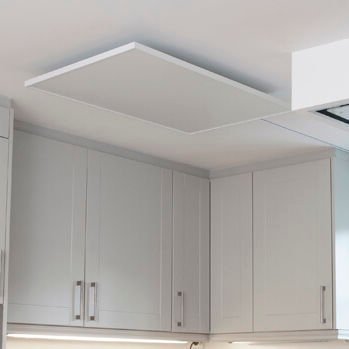
Ceiling mounted infrared heating panels represent an innovative advancement in modern heating technology, providing a practical and efficient solution for various settings. Utilising infrared energy to deliver warmth directly to objects and surfaces, these panels avoid the inefficiencies often associated with traditional heating methods. Their sleek, space-saving design allows them to blend seamlessly into interior spaces, making them particularly suitable for environments where aesthetics and functionality are equally important. As energy efficiency and environmental considerations increasingly shape decisions around heating solutions, infrared panels offer a contemporary option that aligns with sustainable living principles. Designed to cater to both residential and commercial requirements, these panels address the need for consistent and targeted heating while contributing to lower energy consumption. With their growing popularity, they exemplify the shift towards smarter, more efficient heating alternatives in today’s modern spaces.
Understanding Infrared Heating Technology
Infrared heating technology operates by emitting infrared radiation, which transfers heat directly to objects, surfaces, and people within a space. This approach differs from conventional systems that heat the surrounding air, relying instead on radiant heat that is absorbed by solid objects. The process is similar to the natural warmth experienced from sunlight, creating a comfortable and evenly distributed heat without causing significant energy loss.
The efficiency of this method is enhanced by its ability to bypass air circulation, reducing the movement of dust and allergens. Infrared heating does not dry out the air, maintaining a balanced indoor atmosphere. This technology is adaptable for various environments, offering targeted heating that can be directed towards specific areas, ensuring that warmth is provided precisely where it is needed without unnecessary energy expenditure.
Design and Aesthetics
Ceiling-mounted infrared heating panels are crafted to provide both functionality and visual appeal, fitting seamlessly into various interior designs. Their streamlined construction ensures they remain unobtrusive, allowing for a clean and modern aesthetic in any space. These panels are available in different finishes and configurations, enabling them to blend with a wide range of architectural styles and décor preferences.
By being mounted on the ceiling, they optimise room layouts, leaving walls and floors uncluttered and free for other uses. This feature makes them particularly advantageous for environments where space management is a priority. Their subtle integration into ceilings demonstrates how heating solutions can complement the overall design of a room while maintaining an efficient and practical purpose.
Energy Efficiency of Infrared Panels
Infrared heating panels operate by directly transferring heat to objects and surfaces, significantly reducing energy loss compared to traditional systems that warm the surrounding air. This targeted heating method ensures that energy is utilised effectively, contributing to lower overall consumption. Ceiling-mounted designs further optimise efficiency by distributing heat evenly throughout a space without relying on air circulation.
The precise control offered by these systems allows for heating only when and where it is needed, minimising unnecessary energy usage. This efficient operation aligns with contemporary energy-saving practices, making infrared panels an environmentally responsible heating choice. Additionally, their rapid response time reduces the duration of heating, further enhancing their energy-saving potential.
Installation Process for Radiant Ceiling Heat
Installing radiant ceiling heat panels requires careful planning to ensure effective and safe operation. The panels are designed for secure attachment to ceiling structures, often using brackets or mounting kits that allow for precise positioning. Electrical connections must be established by adhering to appropriate safety regulations and standards, which typically involves connecting the panels to an existing power source.
The process should consider factors such as ceiling height, room dimensions, and desired heat coverage for optimal performance. Professional installation is strongly recommended to ensure proper alignment, secure fittings, and compliance with local codes. In some cases, installation may involve integrating the panels with control systems to enable features such as programmable settings or temperature adjustments.
Heat Distribution and Comfort
Infrared heating panels ensure consistent and balanced warmth by targeting surfaces and objects directly within a space. This method allows for an even distribution of heat, avoiding the uneven temperatures often experienced with conventional heating systems. As these panels do not rely on air circulation to disperse heat, they maintain a stable and undisturbed indoor environment, which can be particularly beneficial for those concerned with air quality.
The ceiling-mounted placement of the panels enhances their ability to cover larger areas effectively, providing a steady level of comfort throughout the space. Additionally, this approach eliminates draughts or fluctuations in temperature, creating a more pleasant and stable indoor atmosphere that suits both residential and commercial applications.
Applications in Residential Settings
Ceiling-mounted infrared heating panels are well-suited for various residential applications, offering an efficient and discreet heating solution. Their ability to provide direct, even warmth makes them particularly effective in spaces with high ceilings or large open-plan designs, where conventional heating methods may struggle to maintain consistent temperatures. These panels can be seamlessly integrated into living areas, kitchens, bathrooms, or bedrooms without disrupting the aesthetic appeal of the interior.
Additionally, their targeted heating capabilities allow specific zones within a home to be warmed efficiently, reducing unnecessary energy use. The absence of moving parts also ensures quiet operation, contributing to a comfortable and undisturbed home environment. This combination of efficiency and practicality highlights their adaptability in domestic settings.
Applications of Radiant Heat Ceiling Panels in Commercial Spaces
Radiant heat ceiling panels are increasingly favoured in commercial environments due to their ability to provide efficient and consistent warmth across various settings. Their discreet ceiling-mounted design ensures they do not disrupt workspace layouts or aesthetics, making them suitable for offices, retail establishments, and hospitality venues. By offering targeted heat delivery, they address the heating needs of larger areas, including open-plan or high-ceiling spaces. The panels’ silent operation creates an undisturbed atmosphere, enhancing comfort for employees and customers alike.
Additionally, their efficient energy use contributes to cost savings, which is particularly advantageous for businesses seeking to manage operational expenses. These panels can also be integrated with control systems, allowing for precise temperature management to suit diverse commercial requirements.
Safety Features
Infrared heating panels incorporate a range of safety measures designed to ensure secure operation in various environments. Many models include overheat protection mechanisms that automatically regulate temperatures to prevent excessive heat generation. Their surface temperatures are typically engineered to remain within safe limits, reducing the risk of burns upon accidental contact.
Additionally, some panels are equipped with integrated thermal sensors that monitor ambient conditions and adjust output accordingly. The ceiling-mounted design further minimises safety risks by keeping the panels out of reach, particularly in spaces with children or high activity levels.
Compliance with recognised safety certifications ensures that these panels meet rigorous operational standards, making them a reliable choice for maintaining safety in both residential and commercial applications.
Cost Considerations
The financial aspects of ceiling-mounted infrared heating panels encompass both initial and ongoing factors. While the upfront cost may be higher compared to some traditional heating systems, the efficiency of these panels contributes to long-term savings. By directly heating objects and surfaces rather than air, they minimise energy wastage, which can lead to reduced utility expenses over time.
Furthermore, their low maintenance requirements help to decrease additional costs associated with upkeep. The durability of these panels also ensures a prolonged lifespan, reducing the need for frequent replacements. When evaluating cost considerations, the balance between initial investment and long-term financial benefits highlights the practicality of these heating solutions in both residential and commercial environments.
Longevity and Durability
Infrared heating panels are engineered with durability in mind, offering a robust and reliable solution for long-term use. Their construction often utilises high-quality materials designed to withstand regular operation without compromising performance. The absence of moving parts reduces the likelihood of mechanical failure, contributing to their extended lifespan and minimal maintenance requirements. Proper installation and occasional upkeep, such as surface cleaning, help maintain their efficiency over time.
Additionally, the ceiling-mounted design ensures protection from physical damage, further preserving their functionality in both residential and commercial spaces. Infrared panels are considered a sound investment due to their resilience and ability to provide consistent heating performance throughout their operational life.
Environmental Impact of Radiant Heat Ceiling Panels
The implementation of radiant heat ceiling panels aligns with environmentally conscious practices by operating with high energy efficiency, minimising resource wastage. By directly transferring heat to objects and surfaces, rather than warming the air, these panels reduce unnecessary energy usage, thereby limiting associated carbon emissions. The absence of reliance on fossil fuels in many cases further contributes to their eco-friendly profile.
As a result, these systems support the growing emphasis on sustainable construction and energy management within both residential and commercial sectors. Their ability to operate effectively while conserving energy highlights their role in promoting responsible environmental stewardship.
Future Trends in Infrared Heating
Advancements in infrared heating technology are focusing on enhancing energy efficiency and incorporating intelligent control systems. The integration of smart home automation allows for precise temperature regulation and improved energy management. Innovations in panel materials aim to increase heat output while reducing energy consumption.
Developments also include designs tailored for specific environments, such as ultra-thin panels for minimal visual impact. As sustainability remains a priority, research continues to refine infrared solutions to meet evolving environmental and efficiency standards.
Conclusion
Ceiling mounted infrared heating panels offer an advanced, space-saving solution for modern properties across Australia. By utilizing radiant energy to warm objects and surfaces directly, these panels eliminate the heat loss and air movement associated with conventional convection systems. Their overhead installation maximizes usable wall and floor space while providing consistent, quiet, and targeted heat distribution. Supported by integrated safety mechanisms and durable, low-maintenance construction, infrared heating aligns seamlessly with energy-efficient building practices. Ultimately, incorporating ceiling-mounted infrared panels provides a contemporary, aesthetically pleasing, and environmentally responsible approach to maintaining optimal indoor comfort in both residential and commercial spaces.
FAQs
How do ceiling-mounted infrared panels differ from traditional heating systems?
Ceiling-mounted infrared panels transfer heat directly to surfaces, objects, and occupants using radiant energy, rather than warming the surrounding air. This direct approach minimizes heat loss and prevents air circulation, which can circulate dust and allergens. Consequently, infrared panels maintain a stable, comfortable indoor environment while consuming less power than traditional convection heaters across Australian properties.
What are the main design advantages of mounting infrared panels on the ceiling?
Mounting infrared panels on the ceiling keeps living and working areas uncluttered, freeing up valuable wall and floor space for furniture or interior decor. Their ultra-slim, sleek design blends discreetly into modern ceilings. This overhead positioning also ensures optimal, unobstructed heat coverage across the room while keeping the units safely out of reach.
Are radiant ceiling heat panels energy efficient?
Yes, radiant ceiling heat panels are highly energy efficient because they deliver targeted warmth without wasting energy on heating unoccupied air. They reach operational temperatures quickly and retain warmth in solid surfaces, reducing overall energy consumption. When paired with smart thermostats and zone controls, these panels significantly lower ongoing power usage and utility expenses.
Where can ceiling-mounted infrared panels be installed effectively?
Ceiling-mounted infrared panels are versatile and suitable for a wide range of residential and commercial environments. They perform exceptionally well in open-plan living areas, offices, retail spaces, and rooms with high ceilings where traditional heating often fails. Their quiet, dust-free operation also makes them ideal for bedrooms, studies, and health-conscious indoor spaces.
What safety features do ceiling-mounted infrared heating panels include?
Modern ceiling-mounted infrared panels feature built-in overheat protection and thermal sensors to regulate surface temperatures automatically. Their elevated position naturally eliminates the risk of accidental physical contact, making them particularly safe for households with children or pets. Adhering to strict manufacturing standards ensures reliable, long-term operation without fire or electrical hazards.
| Related Business Listings |
| Contact Directory |
| Local Business Profiles |