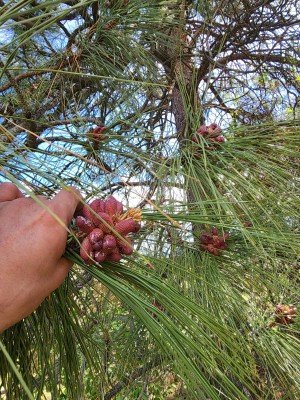
Sustainable pine pollen from boreal forests
Pine pollen has become increasingly popular among people interested in natural ingredients, traditional wellness practices, and plant-based products. However, as demand grows, questions about sourcing and environmental responsibility have become just as important as product quality. Sustainable pine pollen from boreal forests represents an approach that focuses on responsible harvesting, protection of forest ecosystems, and long-term availability of this natural resource.
Boreal forests are among the world’s largest terrestrial ecosystems. Stretching across northern regions of North America, Europe, and Asia, these forests contain extensive populations of coniferous trees and provide habitat for countless species. When pine pollen is collected responsibly from these environments, careful harvesting practices can help ensure that the resource remains available without placing unnecessary pressure on the surrounding ecosystem.
What Is Pine Pollen?
Pine pollen is the fine powder produced by male pine cones during the reproductive cycle of pine trees. It contains naturally occurring plant compounds and nutrients and has been used in traditional practices in parts of Asia for generations.
The pollen is typically collected during a relatively short period when mature male cones release their pollen. Depending on the pine species, climate, location, and seasonal conditions, the timing of collection can vary.
Because pine pollen is a naturally occurring botanical material, its characteristics can differ according to the tree species, growing environment, harvesting method, processing, and storage conditions. This makes responsible sourcing and transparent production important considerations when selecting a pine pollen product.
Understanding Boreal Forests
Boreal forests, sometimes called taiga, form a vast band across the northern hemisphere. They are characterized by cold winters, relatively short growing seasons, and extensive forests dominated by coniferous species.
These forests play an important role in global ecosystems. They provide habitat for wildlife, store carbon, influence water cycles, and support local communities. Because boreal ecosystems can recover slowly from environmental disturbances, responsible resource management is essential.
Harvesting natural materials from boreal forests therefore requires more than simply collecting a plant ingredient. Producers need to consider the health of the forest, regeneration of plant populations, biodiversity, soil conditions, and the needs of local communities.
Why Sustainable Sourcing Matters
As consumer interest in natural products increases, demand for botanical ingredients can create pressure on wild plant populations. Sustainable sourcing helps address this challenge by establishing practices designed to balance harvesting with ecosystem protection.
For pine pollen, responsible harvesting can include collecting pollen during its natural release period without damaging trees unnecessarily. Harvesters can also avoid practices that interfere with tree growth, wildlife habitats, or regeneration.
A sustainable approach should also consider how forests are managed beyond the pollen itself. Healthy forests depend on biodiversity, natural regeneration, appropriate land management, and protection from unnecessary disturbance.
Choosing pine pollen sourced through responsible practices allows consumers to consider not only the product but also the environmental impact associated with obtaining it.
Responsible Pine Pollen Harvesting
Sustainable pine pollen collection begins with understanding the natural reproductive cycle of pine trees. Male cones produce pollen for a limited period, making seasonal timing an important part of harvesting.
Instead of removing or damaging large quantities of plant material, responsible collection focuses on gathering naturally released pollen or using methods designed to minimize physical impact on trees.
Harvesting areas can also be managed carefully. Rotating collection areas, avoiding sensitive habitats, and monitoring forest conditions can help reduce repeated pressure on the same locations.
Another important consideration is the scale of harvesting. Small-scale and carefully managed collection may have a different environmental impact from intensive commercial extraction. Producers seeking long-term sustainability need to monitor how much material is collected and whether harvesting practices affect the forest ecosystem.
Protecting Biodiversity in Boreal Forests
Boreal forests support a wide variety of plants, mammals, birds, insects, fungi, and microorganisms. Sustainable harvesting should therefore be designed around the entire ecosystem rather than focusing exclusively on pine trees.
Collection activities should avoid disturbing nesting areas, sensitive habitats, waterways, and other ecologically important locations. Harvesters should also follow local forestry regulations and land-management requirements.
Maintaining biodiversity is particularly important because different species contribute to forest health in different ways. Birds and insects can support ecological processes, fungi interact with tree roots, and decomposing organic matter contributes to soil fertility.
A sustainable pine pollen supply ultimately depends on a healthy forest environment.
From Forest to Finished Product
Sustainability does not stop when pollen leaves the forest. Processing, packaging, transportation, and storage can also influence the environmental footprint of a product.
After collection, pine pollen needs to be handled and processed appropriately to maintain its quality. Depending on the product, processing may involve drying, cleaning, sieving, or other steps to remove unwanted materials.
Producers can improve sustainability by reducing unnecessary processing, minimizing waste, and using efficient equipment. Packaging choices can also make a difference. Lightweight, recyclable, or responsibly sourced packaging may help reduce material consumption and waste.
Transportation is another consideration. Sourcing closer to processing facilities or optimizing shipping and distribution can potentially reduce unnecessary transportation impacts.
Traceability and Transparency
One of the most useful indicators of responsible botanical sourcing is traceability. Consumers should be able to learn where a product comes from and, ideally, how it was collected and processed.
For sustainable pine pollen, useful information may include the general geographic region, pine species, harvesting season, processing methods, and quality-control procedures.
Transparent suppliers should be able to explain their sourcing practices rather than relying only on broad environmental marketing claims.
Certifications, third-party testing, and documented supply-chain practices can also provide additional information. However, consumers should examine what a certification actually covers instead of assuming that every environmental claim represents the same standard.
Quality and Purity Considerations
Sustainability and product quality can work together. Responsible harvesting helps preserve the natural resource, while appropriate processing and testing help ensure that the finished ingredient meets quality expectations.
Pine pollen products may differ considerably in color, texture, aroma, processing method, and packaging. Consumers interested in botanical products should look for suppliers that provide clear ingredient information and appropriate quality testing.
Testing may be relevant for factors such as microbial contamination, heavy metals, pesticides, and other contaminants, depending on the product and intended use.
It is also important to remember that natural does not automatically mean risk-free. People with allergies or sensitivities should consider the possibility of reactions to pollen-based products, and anyone using pine pollen for a specific health purpose should consult an appropriate healthcare professional.
Supporting Local and Indigenous Communities
Boreal forests overlap with the traditional and contemporary territories of many Indigenous communities. Sustainable natural-product sourcing should therefore consider social responsibility as well as environmental protection.
Fair purchasing arrangements, respect for traditional knowledge, appropriate land access, and meaningful participation of local communities can contribute to a more responsible supply chain.
When communities benefit from sustainable forest resources, there can be stronger incentives to protect ecosystems and maintain long-term forest health. Responsible sourcing should therefore consider who collects the product, who benefits financially, and how harvesting rights are managed.
Why Consumers Are Interested in Sustainable Pine Pollen
Modern consumers increasingly want to understand the story behind the natural ingredients they purchase. They may look beyond basic product descriptions and ask questions about origin, harvesting, environmental impact, and processing.
Sustainable pine pollen from boreal forests appeals to this interest because it connects a traditional botanical ingredient with responsible resource management.
Rather than treating forests simply as sources of raw materials, sustainable sourcing recognizes them as living ecosystems that need protection and careful management.
This approach can also encourage producers to invest in better harvesting techniques, traceability systems, quality testing, and environmentally responsible packaging.
Choosing a Responsibly Sourced Pine Pollen Product
When comparing pine pollen products, consumers can look for several useful indicators of responsible sourcing.
First, check whether the supplier provides information about the origin of the pine pollen. Second, look for details about harvesting and processing methods. Third, consider whether the company provides laboratory testing or other quality documentation.
It can also be useful to examine packaging and the company’s broader environmental practices. A product marketed as sustainable should ideally provide specific information explaining why its sourcing and production practices are considered sustainable.
Avoid relying solely on vague terms such as “eco-friendly,” “wild harvested,” or “natural.” Specific information is generally more useful than marketing language.
The Future of Sustainable Pine Pollen
As demand for natural ingredients continues to grow, sustainable sourcing will become increasingly important. Producers will need to balance consumer demand with the ecological limits of the forests where these ingredients originate.
Advances in traceability, responsible harvesting methods, forest monitoring, and sustainable packaging can contribute to a more resilient pine pollen industry.
The long-term goal should be simple: harvest what the forest can sustainably provide while protecting the ecosystem that produces it.
Conclusion
Sustainable pine pollen from boreal forests represents more than a natural ingredient. It reflects a broader approach to responsible harvesting that considers forest health, biodiversity, local communities, product quality, and long-term resource availability.
Boreal forests are valuable ecosystems that require careful management. When pine pollen is collected responsibly, processed thoughtfully, and sourced transparently, consumers can make more informed choices about the products they purchase.
For anyone interested in pine pollen, sustainability should be considered alongside purity, traceability, processing, and quality. Supporting responsible suppliers can encourage better practices throughout the botanical industry and help ensure that the forests providing these natural resources remain healthy for future generations.