bacteriostatic water for injection
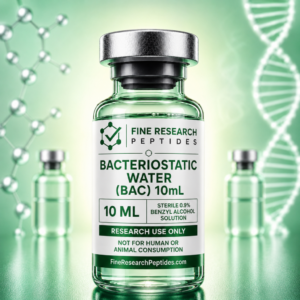
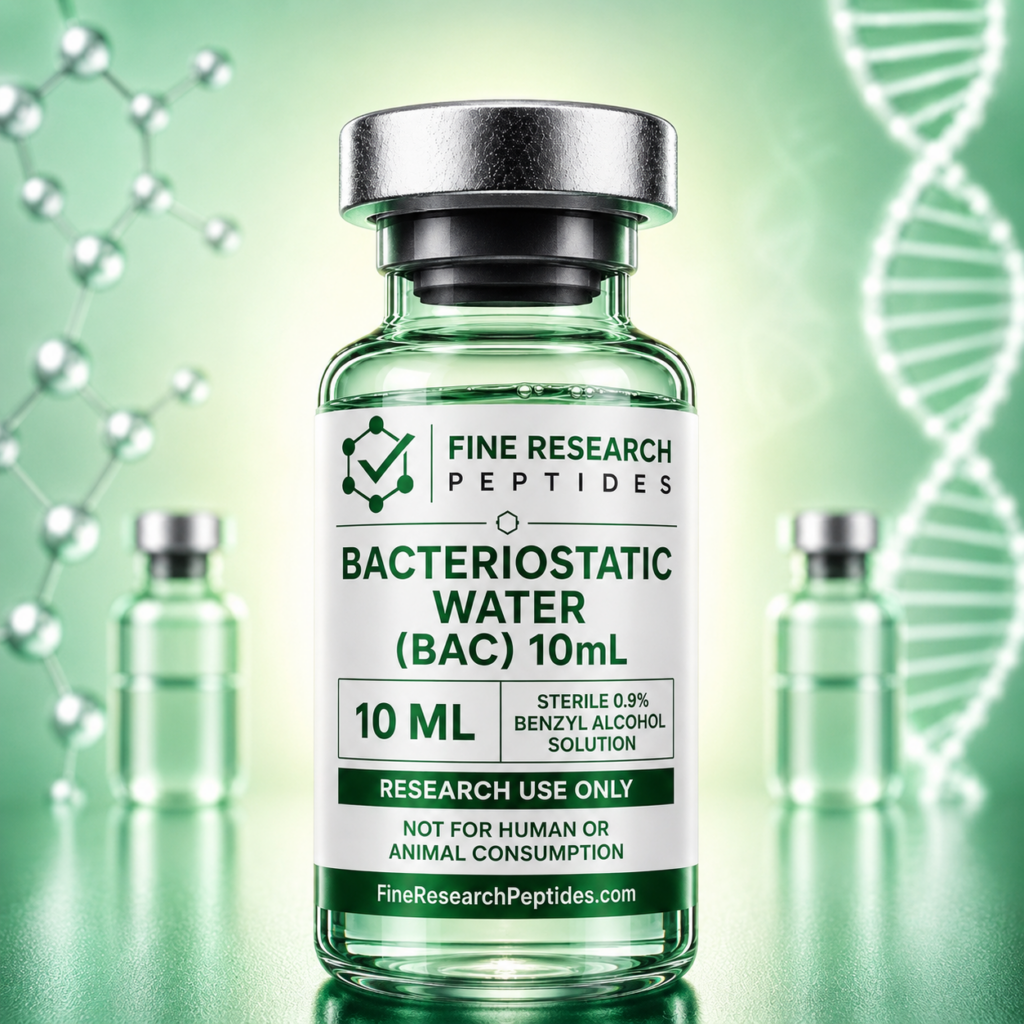
Bacteriostatic water for injection is a sterile, nonpyrogenic preparation used as a diluent or solvent for certain medications that require dilution before administration. It commonly contains a small amount of benzyl alcohol as a preservative, which helps inhibit the growth of microorganisms in an appropriately handled multidose container. Its purpose is not to act as a medication itself, but to provide a suitable aqueous vehicle when a compatible product specifically calls for it. Understanding this distinction is important for both laboratory professionals and healthcare personnel.
In laboratory and pharmaceutical environments, bacteriostatic water for injection may be discussed when researchers are working with compounds that require an aqueous vehicle as part of a validated research procedure. However, its suitability depends on the particular compound, formulation, experimental protocol, and applicable instructions. It should never be assumed that the same diluent is appropriate for every peptide, drug, or laboratory material. Careful evaluation of compatibility and documented requirements is therefore an important part of responsible research practice.
How Bacteriostatic Water Differs From Sterile Water
Although both products contain water intended for pharmaceutical purposes, bacteriostatic water and preservative-free sterile water are not interchangeable in every situation. Bacteriostatic water contains a preservative, commonly benzyl alcohol, while sterile water for injection does not contain a bacteriostatic preservative. This difference can affect whether a particular preparation is appropriate for a specific medication or research application. Product labeling should therefore be reviewed before selecting a diluent rather than relying on assumptions about their similarities.
The presence of a preservative also creates important limitations. Bacteriostatic water is not intended to serve as a general fluid replacement, and products containing benzyl alcohol have specific warnings concerning certain populations and administration situations. In professional settings, the manufacturer’s instructions for the medication being diluted should determine the appropriate vehicle. Researchers should likewise follow validated institutional procedures instead of assuming that a pharmaceutical diluent is automatically suitable for every experimental compound.
Why Labs May Use Bacteriostatic Water
Laboratories involved in pharmaceutical research, analytical development, and related scientific work may encounter bacteriostatic water when working with injectable drug formulations or other materials requiring a compatible aqueous vehicle. Its sterile formulation and preservative content can make it useful for specific applications when the relevant product instructions permit its use. The important point is that the water is a supporting component rather than the active research substance. Its role depends entirely on the validated procedure and the material with which it is being used.
Using an appropriate diluent can help maintain consistency within a controlled laboratory workflow. Researchers need to consider factors such as chemical compatibility, stability, formulation requirements, and the intended experimental model before selecting any vehicle. A laboratory should document the materials used in an experiment, including relevant product and batch information where appropriate. This type of documentation supports reproducibility and makes it easier to identify potential sources of variation when experimental results differ between studies.
Quality and Documentation Are Important
Quality assessment should begin with the identity and labeling of the product. Researchers and laboratory professionals should verify that the container is properly labeled, intact, and associated with appropriate lot and expiration information. Product documentation can provide additional information about composition, storage requirements, intended use, and other relevant characteristics. These details help distinguish a properly documented pharmaceutical product from an unidentified liquid marketed online with limited quality information.
Traceability is another important element of good laboratory practice. Maintaining records of the product, batch, date received, storage conditions, and research application can create a clearer chain of documentation. This is particularly useful when a laboratory is investigating unexpected analytical results or attempting to reproduce previous work. A professional approach focuses on evidence and documentation rather than relying on broad claims such as “laboratory grade” or “high purity” without supporting information.
Bacteriostatic Water and Peptide Research
Peptide research frequently involves questions about solvents, diluents, stability, and analytical characterization. Researchers may encounter bacteriostatic water when reviewing laboratory materials associated with peptide investigations, but its suitability cannot be assumed solely because a product is described as a peptide. Different compounds can have different chemical and stability characteristics. A research protocol should identify the appropriate vehicle based on documented compatibility rather than convenience or general online recommendations.
The same principle applies to searches involving the phrase best place to buy ghk cu peptide. Online product availability does not establish that a peptide is authentic, properly characterized, clinically appropriate, or suitable for a particular experimental procedure. Researchers evaluating GHK-Cu or other peptide materials should focus on identity, analytical documentation, batch traceability, stated composition, storage requirements, and intended research use. A purchasing decision should be based on verifiable information rather than simply choosing a listing that appears prominently in search results.
Proper Storage and Handling Considerations
Storage requirements for bacteriostatic water should always be determined from the specific product labeling. Containers should be protected from conditions that could compromise their integrity or quality, and laboratory personnel should inspect packaging before use. A container with a damaged seal, unexpected appearance, or questionable labeling should not be treated as suitable simply because the liquid appears clear. Maintaining appropriate inventory records can also help laboratories track expiration dates and individual batches.
Handling practices are equally important because a bacteriostatic preservative does not make careless handling risk-free. The preservative is intended to inhibit microbial growth under specified conditions; it does not guarantee that contamination cannot occur. Professional laboratory procedures should therefore address container access, aseptic practices, labeling, storage, and disposal. Researchers should follow their institution’s established protocols and the product manufacturer’s instructions rather than developing handling procedures solely from informal online sources.
Safety and Research-Use Considerations
Bacteriostatic water for injection should not be confused with an unrestricted laboratory solvent. Its labeled purpose, composition, and safety considerations determine how it may appropriately be used. Benzyl alcohol is an important component because it provides the bacteriostatic preservative effect, but it also creates limitations for certain populations and applications. For this reason, healthcare professionals should consult applicable prescribing information, while research laboratories should follow their validated procedures and institutional requirements.
The distinction between research materials and approved medicines is also essential when working with peptides. A research product may be intended only for laboratory investigation and should not automatically be considered suitable for human administration. Searching for products such as GHK-Cu or other peptides online can produce a wide range of claims, but availability does not establish regulatory approval, clinical effectiveness, sterility, or pharmaceutical equivalence. Responsible researchers keep these distinctions clear when planning experiments and documenting results.
Choosing Research Materials Responsibly
Before adding bacteriostatic water or any peptide-related material to a laboratory inventory, researchers can establish a straightforward quality checklist. The review may include product identity, manufacturer information, lot number, expiration information, composition, analytical documentation, storage requirements, and intended use. For peptide materials, researchers may also examine identity testing and purity characterization. Establishing these criteria before procurement creates a more consistent process and reduces dependence on advertising language or unverified product descriptions.
A similar checklist can be applied when evaluating searches for the best place to buy ghk cu peptide, without assuming that one online seller is automatically appropriate for every research project. The relevant question is whether the material and supplier provide enough verifiable information for the intended laboratory application. Quality documentation, traceability, transparent specifications, and appropriate research-use labeling are more meaningful indicators than promotional claims alone. This approach supports better procurement decisions and stronger experimental documentation.
Final Thoughts on Bacteriostatic Water in Laboratory Research
Bacteriostatic water for injection has a defined role as a sterile aqueous diluent containing a bacteriostatic preservative, commonly benzyl alcohol. In laboratory and pharmaceutical environments, it may be relevant to specific procedures involving compatible injectable formulations or research materials. Its use should always be guided by product-specific instructions, compatibility information, professional standards, and appropriate institutional procedures. It should not be treated as a universal solution for every compound or experimental application.
For researchers working with peptides, careful material selection remains just as important as proper handling of laboratory diluents. Whether investigating GHK-Cu or another peptide, researchers should prioritize identity, purity, documentation, traceability, and clearly defined research use. Searches for the best place to buy ghk cu peptide should therefore lead to careful evaluation rather than reliance on marketing claims. A documentation-focused approach helps laboratories maintain quality, improve reproducibility, and support responsible scientific research.