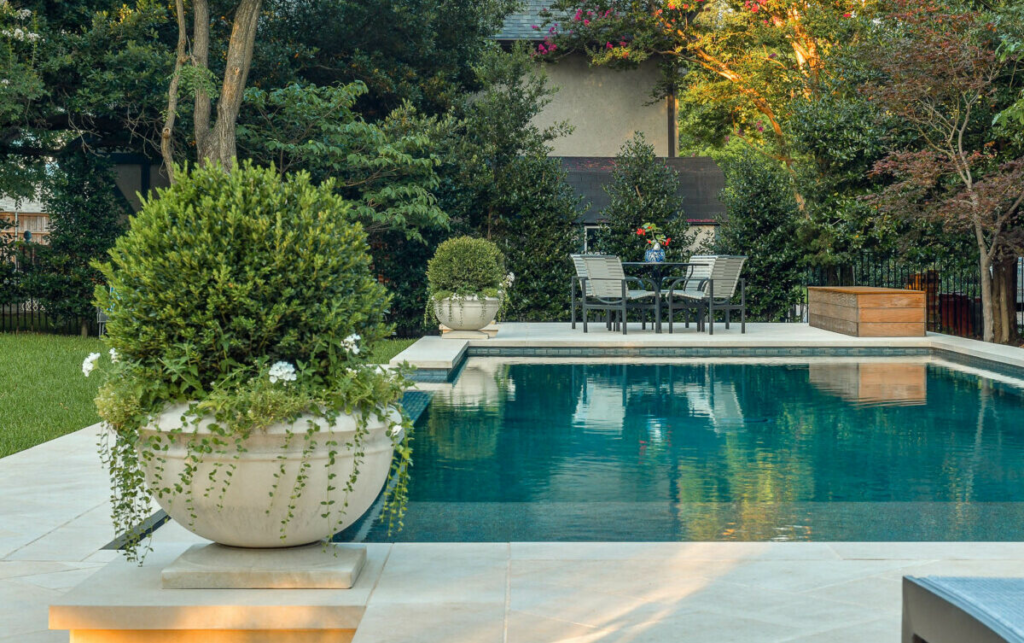
Custom swimming pool construction
Building a swimming pool is a major home improvement project that can transform an ordinary backyard into a place for recreation, relaxation, and entertaining. However, understanding the potential expenses before construction begins is essential for creating a realistic budget. Custom swimming pool construction can vary considerably depending on the property’s layout, pool size, materials, features, equipment, and surrounding improvements. Planning these costs early helps homeowners make informed choices without sacrificing the features that matter most to them.
Understanding the Main Factors That Affect Pool Costs
The overall cost of a custom pool depends on several interconnected factors rather than one fixed price. Pool dimensions, depth, shape, construction method, excavation requirements, and interior finishes can all influence the initial investment. A simple rectangular pool generally requires fewer complex details than a design featuring curves, multiple elevations, integrated seating, or architectural elements. Homeowners should therefore establish their priorities before requesting detailed project estimates.
Site conditions can also have a significant impact on the budget. Difficult access, rocky soil, drainage concerns, sloped terrain, or extensive excavation may require additional labor and specialized equipment. Existing landscaping, structures, fencing, and utility lines can create further considerations during preparation. A professional site assessment can reveal potential challenges early, allowing homeowners to account for them instead of encountering unexpected expenses after construction has already started.
Choosing the Right Pool Size and Design
Pool size is one of the most obvious factors affecting construction expenses, but bigger does not always mean better value. A pool should be proportionate to the available backyard space and designed around how the household intends to use it. Families may prioritize swimming space and shallow areas, while homeowners focused on entertaining might prefer additional seating, a spa, or a larger surrounding deck. A thoughtful design can provide functionality without using unnecessary space or materials.
The shape and complexity of the pool can also affect labor requirements. Straight lines and conventional layouts may be simpler to construct, while custom curves, raised sections, tanning ledges, infinity-style edges, and integrated water features require additional planning. When discussing custom swimming pool construction, homeowners should ask how each design element affects both the construction budget and future maintenance. Understanding these trade-offs makes it easier to create a design that fits both personal preferences and financial expectations.
Budgeting for Pool Equipment and Features
Pool equipment represents another important portion of the overall investment. Pumps, filters, heaters, sanitation systems, lighting, automation controls, and other components are necessary for maintaining water quality and comfortable operation. Choosing equipment solely based on the lowest purchase price may not provide the best long-term value. Homeowners should consider reliability, energy efficiency, maintenance requirements, expected service life, and compatibility with the pool’s size and design.
Optional features can quickly expand a project budget, especially when several upgrades are selected together. Waterfalls, fountains, spas, fire features, specialty lighting, automatic covers, and advanced control systems can add functionality and visual interest. The best approach is to separate essential features from desirable upgrades before construction begins. This allows homeowners to protect the core budget while adding special elements that provide meaningful value to their outdoor space.
Planning the Pool Deck and Outdoor Living Area
A swimming pool rarely exists independently from the rest of the backyard. Decking, patios, seating areas, landscaping, shade structures, outdoor kitchens, and lighting can all influence the final project cost. Homeowners who want a complete entertainment area should include these improvements in the initial budget rather than treating them as unrelated expenses. Coordinating these elements during construction can also produce a more unified and functional outdoor environment.
Working with outdoor living space designers near me can be useful when the goal extends beyond the pool itself. A coordinated outdoor design can consider circulation, seating, cooking areas, shade, landscaping, lighting, and the relationship between the pool and the home. Instead of adding features randomly over time, homeowners can develop a broader plan that establishes priorities from the beginning. This approach can make the finished backyard feel intentional and connected.
Setting Aside Money for Construction Preparation
Before excavation begins, several preparation costs may need to be considered. Depending on the property and local requirements, homeowners may need surveys, permits, inspections, utility locating, site preparation, temporary access arrangements, or adjustments to existing landscaping. These expenses can vary significantly from one property to another. Including a preparation allowance in the budget provides greater flexibility if site-specific requirements arise.
Homeowners should also discuss excavation and soil conditions with the contractor before finalizing the project budget. Removing large quantities of soil, dealing with difficult ground conditions, or arranging specialized equipment can affect construction expenses. Access is another important consideration, particularly on properties where machinery cannot easily reach the backyard. A detailed site evaluation can help identify these challenges before construction begins and reduce the likelihood of major budget surprises.
Creating a Realistic Pool Construction Budget
A useful pool budget should account for more than the basic construction price. Homeowners should consider the pool itself, equipment, decking, landscaping, fencing, electrical work, water features, permits, site preparation, and other project-specific expenses. It is also sensible to maintain a contingency amount for unexpected conditions or approved changes. A realistic budget gives homeowners room to handle necessary adjustments without putting the entire project under financial pressure.
When comparing estimates, homeowners should examine what is actually included in each proposal. Two contractors may provide different prices because their estimates include different materials, equipment packages, finishes, or surrounding features. Asking for a detailed breakdown can make comparisons more meaningful. It is also helpful to clarify warranty coverage, construction responsibilities, payment schedules, and procedures for handling design changes before signing an agreement.
Balancing Initial Costs With Long-Term Value
The cheapest construction option is not necessarily the least expensive choice over the life of the pool. Durable finishes, efficient equipment, dependable circulation systems, and quality installation may require a larger initial investment but can support easier maintenance and longer service life. Homeowners should consider both purchase price and expected operating costs when selecting materials and equipment. This long-term perspective can help prevent decisions that appear affordable initially but become costly later.
Maintenance should also be included in the overall financial plan. Pool owners may need to budget for routine cleaning, chemical balancing, filter maintenance, equipment servicing, repairs, and seasonal requirements. Energy consumption can also influence ongoing expenses, particularly when heating systems or extensive lighting are involved. Selecting appropriately sized and efficient equipment can help manage these costs while maintaining the desired level of comfort and performance.
Making Smart Choices During the Design Process
One of the easiest ways to control custom pool costs is to make important decisions before construction starts. Frequent changes during excavation or installation can create additional labor, material, and scheduling expenses. Homeowners should carefully review the pool drawings, finish selections, equipment specifications, deck layout, lighting plan, and additional features before approving the final design. Taking time during planning can reduce uncertainty once construction crews are on site.
Prioritizing features is equally important. Instead of trying to include every available upgrade, homeowners can identify the elements that will have the greatest impact on how they use the backyard. For some families, comfortable seating and a generous shallow area may matter more than elaborate water features. Others may place greater importance on a spa, outdoor kitchen, or sophisticated lighting system. A focused design can deliver a personalized result while keeping spending aligned with actual priorities.
Final Thoughts on Budgeting for Your Dream Pool
Custom swimming pool construction is a significant investment, but careful planning can make the process more predictable and manageable. The final cost depends on factors such as pool size, design complexity, site conditions, equipment, finishes, landscaping, and additional outdoor living features. Creating a complete budget before construction begins allows homeowners to understand where their money is going and make decisions based on priorities rather than last-minute pressure.
A successful pool project combines thoughtful design, appropriate materials, experienced workmanship, and realistic financial planning. By evaluating the property, comparing detailed proposals, considering long-term maintenance, and planning the surrounding outdoor space, homeowners can build a backyard that serves their needs for years. The goal is not simply to construct a pool, but to create a comfortable and functional outdoor environment that provides lasting enjoyment and complements the home.