A serious collision can leave a vehicle looking far worse than the original damage suggests. Bent structural components, hidden mechanical issues, damaged electronics, and misaligned panels can turn a simple repair into a detailed restoration project. That is where Auto Body Collision Experts use careful inspections, advanced equipment, and proven repair procedures to bring damaged vehicles back to safe operating condition. Modern shops combine technology and skilled workmanship to manage even complicated repairs efficiently.
How Modern Collision Shops Begin a Complex Repair
Complex collision work starts long before a technician removes a damaged panel. The shop must first understand the full extent of the impact and determine which systems may have been affected.
Detailed Damage Inspection
Technicians inspect the vehicle from multiple angles instead of focusing only on visible dents or scratches. A damaged bumper, for example, may hide broken mounting points, sensors, wiring, or structural components behind it.
Many modern shops use digital measuring systems, diagnostic scanners, and manufacturer repair information during this stage. These tools help technicians identify problems that may not be obvious during a basic visual inspection.
The initial assessment may include:
- Exterior panel inspection
- Structural measurements
- Frame and unibody checks
- Airbag system diagnostics
- Electrical system testing
- Suspension and steering inspection
- ADAS sensor evaluation
- Undercarriage examination
This thorough approach helps prevent overlooked problems from appearing after the vehicle has already been repaired.
Creating a Repair Plan
Once technicians understand the damage, they create a repair plan. The plan identifies which parts can be repaired, which components need replacement, and which procedures require specialized equipment.
A well-organized plan also helps control costs and repair time. It gives technicians a clear sequence to follow while allowing the shop to document changes if additional damage is discovered during disassembly.
Why Advanced Equipment Matters in Auto Body Collision Repairs
Modern vehicles rely heavily on technology and precisely engineered structures. Consequently, repairing them often requires more than traditional bodywork tools.
Computerized Measuring Systems
A vehicle’s structural alignment must meet specific measurements after a major impact. Even a small deviation can affect suspension geometry, panel fit, handling, and safety systems.
Computerized measuring equipment allows technicians to compare the vehicle’s current dimensions with manufacturer specifications. If measurements show that a structural section has moved, technicians can determine the appropriate correction procedure.
This precision is particularly important for vehicles involved in high-impact crashes.
Frame and Structural Repair Equipment
Some collisions cause damage to the frame or unibody structure. Modern repair facilities use specialized machines to return these areas to their required dimensions.
Technicians carefully secure the vehicle before applying controlled pulling forces. They then measure the structure throughout the process rather than relying on appearance alone.
The objective is not simply to make the vehicle look straight. It is to restore the structure according to appropriate repair specifications.
How Shops Manage Hidden Collision Damage
One of the biggest challenges in Auto Body Collision work is damage that cannot be seen immediately.
Damage Behind Exterior Panels
A vehicle can have relatively minor-looking exterior damage while suffering significant problems underneath. For instance, an impact near a front corner can affect the bumper reinforcement, cooling components, headlamp mounts, wiring, and driver-assistance sensors.
Technicians therefore remove damaged panels when necessary and inspect the components underneath. This process provides a clearer picture of the repairs required.
Electronic and Sensor Problems
Modern vehicles contain cameras, radar sensors, parking sensors, control modules, and other electronic components. A collision can disturb these systems even when there is little visible damage.
Diagnostic scanning helps identify stored fault codes and communication problems. Depending on the vehicle, technicians may also need to perform calibration after repairs.
Proper calibration is especially important when systems support functions such as lane assistance, automatic emergency braking, adaptive cruise control, or parking assistance.
Coordinating Multiple Repair Stages
Complex repairs often involve several different specialties. A modern shop must coordinate these stages so that one repair does not interfere with another.
Body Repair and Structural Work
Structural correction generally needs to happen before technicians complete certain cosmetic repairs. If a damaged structure remains out of specification, replacing panels too early can create poor gaps and alignment problems.
Technicians typically verify measurements before moving forward. This reduces the chance of having to repeat completed work.
Mechanical and Electrical Repairs
A collision can affect more than the vehicle’s body. Suspension parts, steering components, cooling systems, exhaust components, wiring, and other mechanical systems may require attention.
For that reason, Auto Body Collision facilities often coordinate body technicians with mechanical or diagnostic specialists. This teamwork allows the vehicle to receive a more complete inspection before final delivery.
Using Manufacturer Repair Information
Vehicle construction varies considerably between manufacturers and model years. Materials, welding locations, adhesives, fasteners, sensors, and structural designs can all differ.
Following Approved Procedures
Professional shops consult appropriate manufacturer repair information when determining how a damaged component should be repaired or replaced. This can include information about sectioning locations, welding methods, replacement procedures, torque specifications, and calibration requirements.
Following the correct procedure matters because a repair method that works on one vehicle may not be appropriate for another.
Understanding Modern Vehicle Materials
Many newer vehicles combine materials such as high-strength steel, aluminum, composites, and other specialized components. Each material can require different tools and repair techniques.
For example, aluminum repairs may require dedicated equipment and contamination controls. Technicians must understand the material before selecting a repair method.
This knowledge allows modern shops to approach complicated repairs with greater precision.
How Quality Control Prevents Problems
Completing the repair is only part of the process. Before a vehicle leaves the facility, technicians should verify that the work meets appropriate standards.
Final Inspection
A final inspection may include:
- Panel alignment and body gaps
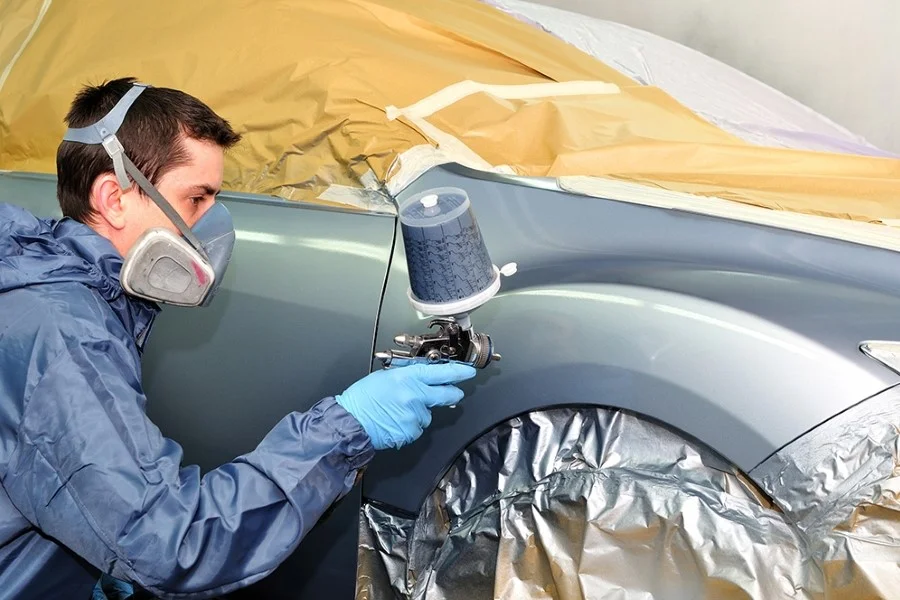
- Paint finish and color consistency
- Structural measurements
- Warning-light checks
- Electrical system operation
- Lighting operation
- Wheel alignment
- Steering and suspension performance
- Sensor and camera calibration
- Road-test observations
The exact inspection process varies by vehicle and repair. However, systematic quality checks help catch issues before the customer receives the vehicle.
Documentation and Communication
Clear documentation also plays an important role. Shops can record measurements, replaced components, diagnostic results, calibration procedures, and other relevant repair information.
Good communication with vehicle owners is equally valuable. Customers should understand what damage was found, what work was performed, and whether additional repairs became necessary after disassembly.
Common Challenges During Complex Collision Jobs
Even with modern equipment, difficult repairs can present unexpected challenges.
Hidden Damage Discovered During Disassembly
Initial estimates may change when technicians uncover damage behind exterior components. This is not necessarily a sign of poor planning; some problems simply cannot be identified until damaged parts are removed.
A responsible shop documents newly discovered damage and communicates the findings before proceeding with additional work.
Parts Availability
Specialized components may not always be immediately available. Delays can occur when parts are backordered, discontinued, or require special ordering.
Good repair planning includes checking parts availability early whenever possible. This can help reduce unnecessary delays later in the process.
Calibration Requirements
Replacing a windshield, bumper, grille, camera, radar sensor, or other component can sometimes affect driver-assistance systems. The vehicle may require specific calibration procedures after the repair.
Technicians should identify these requirements before the job reaches its final stages. Doing so prevents unnecessary rework and helps ensure the affected systems operate as intended.
Practical Tips for Vehicle Owners After a Collision
Vehicle owners can also make the repair process easier by taking a few practical steps.
First, provide the shop with as much information about the accident as possible. Photos, insurance information, and details about how the impact occurred can help technicians understand potential damage areas.
Second, ask what inspection and diagnostic procedures will be performed. A detailed evaluation is particularly important when the collision involved a significant impact.
Finally, ask whether the repair may involve structural measurements, sensor calibration, mechanical inspection, or manufacturer-specific procedures. Understanding the process can make it easier to follow repair updates and evaluate the completed work.
What Sets Modern Collision Shops Apart?
A capable repair facility does more than remove dents and repaint panels. It combines experienced technicians, specialized equipment, diagnostic technology, accurate measurements, and organized quality control.
Modern Auto Body Collision repair also requires technicians to understand how physical damage can affect electronic and safety systems. As vehicles become more technologically advanced, repair methods must keep pace with those changes.
The strongest repair process is therefore systematic. It begins with a careful inspection, follows appropriate repair procedures, verifies measurements, addresses electronic systems, and ends with comprehensive quality checks.
Conclusion
Complex collision repairs require much more than making a damaged vehicle look presentable again. Modern shops must identify hidden damage, restore structural measurements, repair body components, diagnose electronics, and verify safety-related systems. By combining trained technicians with specialized equipment and careful quality control, Auto Body Collision facilities can manage challenging repairs in a structured way. Vehicle owners can support the process by asking questions, providing accident details, and choosing a facility that takes inspection and documentation seriously. When every repair stage receives appropriate attention, the goal extends beyond appearance: it is about restoring the vehicle as accurately and safely as possible.