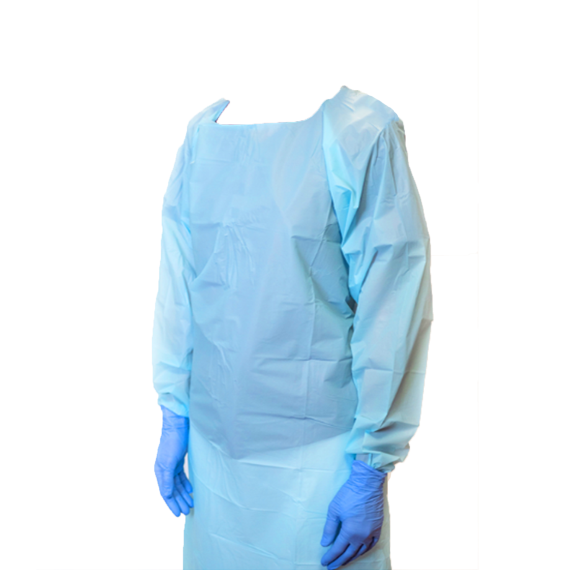
Choosing the right protective clothing is essential for maintaining safety, hygiene, and contamination control in laboratories, healthcare facilities, manufacturing environments, and research settings. Disposable Lab Coats are widely used as a practical protective solution because they provide a lightweight barrier against dust, spills, particles, and potential contaminants.
Laboratories and medical environments require strict safety practices to protect workers, products, and research materials. Disposable lab coats help create a cleaner working environment while reducing the risk of transferring contaminants between areas.
From pharmaceutical facilities and hospitals to educational laboratories and industrial workplaces, disposable lab coats offer convenience, affordability, and reliable protection for professionals who require single-use protective garments.
What Are Disposable Lab Coats?
Disposable Lab Coats are single-use protective garments designed to provide a temporary barrier between the wearer and external contaminants.
Unlike reusable laboratory coats that require washing and maintenance, disposable lab coats are designed for short-term use and can be replaced after contamination, exposure, or completion of a task.
They are commonly manufactured from lightweight materials such as:
- Polypropylene
- Non-woven fabrics
- Polyethylene blends
- Other protective synthetic materials
Disposable lab coats are designed to provide:
- Basic contamination protection
- Clean working conditions
- Comfortable wear
- Easy disposal after use
Why Are Disposable Lab Coats Important?
Protective clothing plays an important role in workplace safety. In environments where cleanliness and contamination control matter, disposable lab coats provide an effective first layer of protection.
Prevent Contamination
Laboratories often handle sensitive materials that require controlled environments.
Disposable lab coats help reduce the movement of:
- Dust particles
- Biological contaminants
- Chemical splashes
- External pollutants
They help maintain cleaner working areas and protect sensitive processes.
Improve Workplace Hygiene
Single-use protective garments help maintain hygiene standards by reducing the reuse of contaminated clothing.
Benefits include:
- Fresh protective clothing for each task
- Reduced cross-contamination risk
- Easier hygiene management
Provide Convenient Protection
Disposable coats eliminate the need for:
- Washing
- Dry cleaning
- Storage management
- Maintenance
After use, they can be safely disposed of according to workplace procedures.
Support Safety Regulations
Many industries require appropriate protective clothing as part of workplace safety practices.
Disposable lab coats help organizations maintain:
- Safety procedures
- Cleanroom standards
- Laboratory protocols
- Employee protection measures
Common Uses of Disposable Lab Coats
Disposable lab coats are used across many industries where protection and hygiene are important.
Medical and Healthcare Facilities
Hospitals, clinics, and healthcare facilities use disposable lab coats to maintain hygiene during daily operations.
Applications include:
- Patient care areas
- Medical testing environments
- Research facilities
- Diagnostic laboratories
They help reduce contamination risks between healthcare workers and environments.
Pharmaceutical Industry
Pharmaceutical manufacturing requires strict cleanliness controls.
Disposable lab coats are used in:
- Drug production areas
- Research laboratories
- Quality control departments
- Testing facilities
They help protect products from contamination during sensitive processes.
Research Laboratories
Scientists and researchers use disposable lab coats during experiments and testing.
They provide protection during:
- Chemical handling
- Sample preparation
- Laboratory procedures
Educational Laboratories
Schools, colleges, and universities often use disposable coats during practical sessions.
They provide students with:
- Basic protection
- Hygienic laboratory practices
- Safe learning environments
Food and Beverage Industry
Food processing facilities use disposable protective clothing to maintain hygiene standards.
Applications include:
- Food preparation areas
- Quality testing
- Production environments
Manufacturing and Industrial Applications
Some manufacturing environments use disposable coats to protect workers and products.
They may be used in:
- Electronics production
- Clean manufacturing areas
- Assembly facilities
Types of Disposable Lab Coats
Disposable lab coats are available in different styles and materials depending on the level of protection required.
Polypropylene Disposable Lab Coats
Polypropylene is one of the most commonly used materials.
Benefits include:
- Lightweight construction
- Breathability
- Comfortable wear
- Cost efficiency
These coats are suitable for general laboratory and workplace protection.
Polyethylene Coated Lab Coats
These coats provide additional resistance against liquids.
They are useful in environments where workers may encounter:
- Liquid splashes
- Moisture exposure
- Contamination risks
Anti-Static Disposable Lab Coats
Some environments require protection against static electricity.
Anti-static coats are commonly used in:
- Electronics manufacturing
- Sensitive equipment areas
- Clean environments
Cleanroom Disposable Lab Coats
Cleanroom environments require specialized protective clothing.
Cleanroom lab coats are designed to reduce:
- Particle release
- Contamination transfer
- Environmental exposure
Benefits of Using Disposable Lab Coats
Disposable lab coats provide several advantages compared with traditional reusable garments.
Reduced Cross-Contamination Risk
Reusable coats may collect contaminants if not properly cleaned.
Disposable options provide:
- Fresh protection
- Reduced contamination transfer
- Better hygiene control
Cost-Effective for Short-Term Use
For environments requiring frequent garment changes, disposable coats can be more practical.
They eliminate expenses related to:
- Laundry services
- Maintenance
- Repair
- Replacement management
Lightweight and Comfortable
Disposable lab coats are designed for extended wear during work activities.
They offer:
- Freedom of movement
- Lightweight protection
- Easy handling
Easy Storage and Distribution
Disposable coats are packaged compactly, making storage simple.
Organizations can keep supplies available for:
- Employees
- Visitors
- Temporary workers
- Students
Suitable for High-Turnover Environments
Facilities with many users benefit from disposable protective clothing.
Examples include:
- Hospitals
- Testing facilities
- Educational institutions
How to Choose the Right Disposable Lab Coats
Selecting the correct disposable lab coat depends on the work environment and protection requirements.
Consider the Material
Different materials provide different levels of protection.
Choose based on:
- Exposure risks
- Workplace conditions
- Comfort requirements
Check Protection Level
Consider whether the environment requires protection against:
- Dust
- Liquids
- Chemicals
- Biological materials
The correct coat should match the specific application.
Choose the Right Size
Proper fitting improves:
- Comfort
- Protection
- Mobility
A coat that is too small may restrict movement, while an oversized coat may create safety concerns.
Consider Closure Design
Disposable lab coats may include:
- Snap buttons
- Press studs
- Elastic cuffs
- Open-front designs
The right closure depends on the required protection level.
Evaluate Comfort Features
For longer work periods, consider:
- Breathable fabric
- Lightweight design
- Comfortable sleeves
- Flexible movement
Disposable Lab Coats vs Reusable Lab Coats
Many organizations compare disposable and reusable options.
Disposable Lab Coats
Advantages include:
- Easy disposal
- Reduced contamination risk
- No laundry requirements
- Convenient replacement
They are suitable for environments requiring frequent garment changes.
Reusable Lab Coats
Advantages include:
- Long-term use
- Reduced waste when properly maintained
- Suitable for routine laboratory work
However, they require:
- Washing
- Maintenance
- Proper storage
The best choice depends on workplace requirements.
Industries That Benefit From Disposable Lab Coats
Many sectors rely on disposable protective clothing.
Healthcare Industry
Healthcare workers use disposable coats to support infection control practices.
Biotechnology Industry
Biotechnology facilities require protective clothing during research and testing.
Pharmaceutical Manufacturing
Disposable coats help maintain controlled production environments.
Food Processing
Food manufacturers use protective clothing to maintain hygiene standards.
Chemical Laboratories
Laboratories use disposable coats for additional protection during chemical handling.
How Disposable Lab Coats Improve Workplace Safety
Protective clothing is an important part of workplace safety systems.
Disposable lab coats help by:
Creating a Protective Barrier
They reduce direct contact between clothing and workplace contaminants.
Supporting Clean Procedures
They help workers follow hygiene protocols.
Improving Employee Confidence
Workers feel safer when appropriate protective equipment is available.
Reducing Contamination Transfer
Disposable garments reduce the risk of carrying contaminants between areas.
How to Properly Use Disposable Lab Coats
Correct use improves protection effectiveness.
Wear Before Entering Controlled Areas
Put on disposable lab coats before entering areas where protection is required.
Avoid Reusing Contaminated Coats
Single-use coats should be replaced according to workplace procedures.
Dispose Properly
Used coats should be disposed of according to organizational safety guidelines.
Store Correctly
Unused coats should remain:
- Clean
- Dry
- Protected from contamination
How Much Do Disposable Lab Coats Cost?
The cost of Disposable Lab Coats depends on several factors.
Pricing may vary based on:
- Material type
- Coat thickness
- Quantity ordered
- Protection level
- Additional features
Bulk purchasing usually provides better value for organizations requiring regular supplies.
Factors Affecting Disposable Lab Coat Pricing
Material Quality
Higher-protection materials may cost more.
Order Quantity
Large orders often reduce the cost per unit.
Design Features
Features such as:
- Elastic cuffs
- Specialized coatings
- Anti-static properties
may affect pricing.
Supplier Selection
Different suppliers offer different pricing based on quality and service.
How Businesses Can Manage Disposable Lab Coat Supplies
Effective inventory management prevents shortages.
Monitor Usage
Track:
- Daily consumption
- Number of users
- Workplace requirements
Maintain Backup Stock
Keep additional supplies available for unexpected needs.
Purchase in Bulk
Bulk purchasing improves:
- Cost efficiency
- Supply consistency
- Availability
Work With Reliable Suppliers
A trusted supplier ensures:
- Quality products
- Consistent delivery
- Reliable support
Common Mistakes When Choosing Disposable Lab Coats
Avoiding common mistakes improves workplace protection.
Choosing Based Only on Price
Cheap products may not provide suitable protection.
Quality and safety should always come first.
Selecting the Wrong Material
Different environments require different materials.
Choose based on actual workplace risks.
Ignoring Comfort
Workers may need to wear coats for extended periods.
Comfort affects compliance and productivity.
Poor Storage Practices
Improper storage can affect product cleanliness before use.
Frequently Asked Questions About Disposable Lab Coats
What are disposable lab coats used for?
Disposable lab coats are used to provide temporary protection against contaminants, dust, spills, and workplace exposure in laboratories, healthcare, and industrial environments.
Are disposable lab coats reusable?
Most disposable lab coats are designed for single use and should be replaced after contamination or according to workplace procedures.
What materials are disposable lab coats made from?
Common materials include polypropylene, non-woven fabrics, and polyethylene-coated materials.
Are disposable lab coats waterproof?
Some disposable lab coats provide liquid resistance, but protection levels depend on the material and design.
Who uses disposable lab coats?
They are used by healthcare workers, researchers, pharmaceutical employees, laboratory staff, students, and manufacturing workers.
How do I choose the right disposable lab coat?
Consider material, protection level, size, comfort features, and workplace requirements.
Can disposable lab coats prevent contamination?
Yes. They help reduce contamination transfer by creating a protective barrier between the wearer and the environment.
Are disposable lab coats environmentally friendly?
Many disposable coats are made from recyclable materials, but proper disposal and waste management practices are important.
Can disposable lab coats be purchased in bulk?
Yes. Many suppliers provide bulk purchasing options for hospitals, laboratories, and businesses.
What is the difference between disposable and reusable lab coats?
Disposable coats provide convenient single-use protection, while reusable coats require cleaning and maintenance for repeated use.
Final Thoughts
Disposable Lab Coats are an essential protective solution for laboratories, healthcare facilities, research environments, and industries where hygiene and contamination control matter.
They provide lightweight protection, reduce cross-contamination risks, simplify workplace hygiene practices, and offer a convenient alternative to reusable garments.
By selecting the right material, protection level, and supplier, organizations can improve safety standards while maintaining efficient operations. Disposable lab coats remain a practical choice for workplaces that require reliable and easy-to-manage protective apparel.