Antique Rugs can transform a room by adding history, craftsmanship, texture, and timeless character. An antique rug can do much more than cover a floor. The right piece can introduce history, texture, color, and character into a room while creating a visual connection between traditional craftsmanship and modern interior design. For homeowners in Palo Alto and throughout the Bay Area, choosing an antique rug is often about finding a piece that feels distinctive rather than simply matching a decorating trend.
But buying an antique rug requires more consideration than choosing a standard floor covering. Age, craftsmanship, materials, condition, origin, design, and restoration history can all affect what makes one rug more desirable than another. Understanding these factors can make the buying process much easier.
What Makes a Rug Antique?
The word “antique” generally refers to a rug with considerable age and historical character, although exact classifications can vary among dealers, collectors, and markets. Antique rugs are valued not only because they have existed for many years, but because they can represent traditional weaving techniques, regional design traditions, natural aging, and craftsmanship that is difficult to reproduce.
A genuine antique Persian, Turkish, or Oriental rug may display subtle variations in color and texture that developed naturally over decades. These characteristics can contribute to its individuality.
It is also important to distinguish antique rugs from vintage rugs. Vintage pieces are generally younger than antiques, while antique rugs have greater historical age. Both can be beautiful additions to an interior, but collectors and buyers should understand the distinction before making a purchase.
How to Identify an Authentic Antique Rug
Age alone does not determine whether an antique rug is worth buying. Construction and condition are equally important.
Examine the Construction
Many traditional rugs were made by hand using knotting techniques that require considerable time and skill. Looking at the back of a rug can reveal important information about its construction. A hand-knotted rug normally shows individual knots and slight irregularities rather than the highly uniform construction associated with many machine-made rugs.
The fringe and edges can also provide clues about how a rug was constructed and whether it has undergone repairs.
Look at the Materials
Wool and silk have historically been important materials in fine rug making. The quality of the fiber, its texture, and how it has aged can help contribute to the overall character of an antique rug.
Natural materials can develop a distinctive appearance over time, particularly when a rug has been properly maintained.
Study the Design and Color
Antique rugs frequently feature patterns connected to particular weaving traditions and regions. Persian rugs, for example, can display floral, medallion, geometric, or all-over compositions, while tribal and Anatolian examples may feature more geometric and symbolic motifs.
Color is another important consideration. Naturally aged colors can develop depth and variation that gives an older rug its distinctive visual character.
Antique vs. Vintage Rugs: Which Is Better?
There is no universal answer. The better choice depends on the room, budget, design goals, and the condition of the individual rug.
Antique rugs can be particularly appealing when a homeowner wants historical character and a one-of-a-kind appearance. Vintage rugs can provide a similar sense of personality while often offering a different range of colors, patterns, and price points.
For shoppers who want to compare styles, exploring both antique and vintage rug collections can be a useful starting point. A broader selection can make it easier to understand how age, pattern, and construction affect the appearance of a rug.
Why Condition Matters When Buying Antique Rugs
An older rug does not necessarily have to be in perfect condition to be valuable or desirable. Minor wear can be part of its character, especially when it contributes to an authentic aged appearance.
However, buyers should distinguish between attractive signs of age and structural problems.
Look carefully for:
- Areas where the foundation may be exposed
- Significant thinning
- Damaged edges or fringe
- Previous repairs
- Color fading or uneven wear
- Stains or water damage
- Signs of moth or insect damage
- Weak areas that could deteriorate with regular use
A professional evaluation can be especially helpful when a rug is valuable, significantly aged, or being considered for an important interior project.
Choosing the Right Antique Rug for Your Home
A beautiful antique rug still needs to work within the room around it. Before purchasing, consider the size of the space, furniture arrangement, lighting, flooring, and existing colors.
For a living room, the rug should generally be large enough to visually connect the main seating area. In a dining room, the dimensions should allow chairs to remain comfortably on the rug when pulled away from the table.
Color is equally important. A richly patterned antique rug can become the focal point of a relatively restrained room, while a more subtle design can add warmth without dominating the interior.
Palo Alto homes can range from contemporary spaces to more traditional interiors, so there is no single antique-rug style that works everywhere. The most successful choice is usually the one that creates balance between the rug and the architecture, furniture, and personal taste.
Antique Persian and Oriental Rugs as Design Pieces
One reason antique rugs remain popular is their ability to bridge different design styles. A traditional Persian rug can add warmth to a contemporary living room, while a geometric Oriental rug can introduce visual contrast into a more classic interior.
The goal does not have to be creating a completely traditional room. In fact, antique rugs can be particularly effective in modern interiors because their history and craftsmanship create contrast against clean lines and contemporary furniture.
For homeowners researching different rug categories, hand-knotted area rugs can provide another useful reference point when comparing traditional construction with modern design approaches.
When Should an Antique Rug Be Professionally Cleaned or Repaired?
Antique rugs should be treated differently from ordinary mass-produced floor coverings. Aggressive cleaning methods or inappropriate chemicals can potentially damage delicate fibers, dyes, or weakened areas.
Professional cleaning and restoration can be particularly useful when a rug has accumulated years of dirt, has visible damage, or requires structural attention. Artsy Rugs provides cleaning, repair, and restoration services for Persian and Oriental hand-knotted area rugs in the San Francisco Bay Area.
Before any restoration work, it is sensible to understand the rug’s condition and discuss the appropriate treatment. The objective should be preservation rather than making an older rug look artificially new.
Are Antique Rugs a Good Investment?
An antique rug can be an investment in craftsmanship and long-term interior character, but buyers should be cautious about treating every old rug as a financial investment.
Value can depend on many factors, including age, rarity, origin, design, materials, craftsmanship, condition, provenance, and market demand. Two rugs of similar age can have very different values.
For this reason, professional appraisal can be useful when determining the value of an antique rug for insurance, estate planning, resale, or other purposes. Artsy Rugs offers rug appraisal services that consider factors such as age, size, dyes, design, comparable examples, and actual sales information.
How to Make an Antique Rug Work in a Modern Home
The easiest way to incorporate an antique rug into a contemporary interior is to let the rug provide character while keeping the surrounding elements relatively balanced.
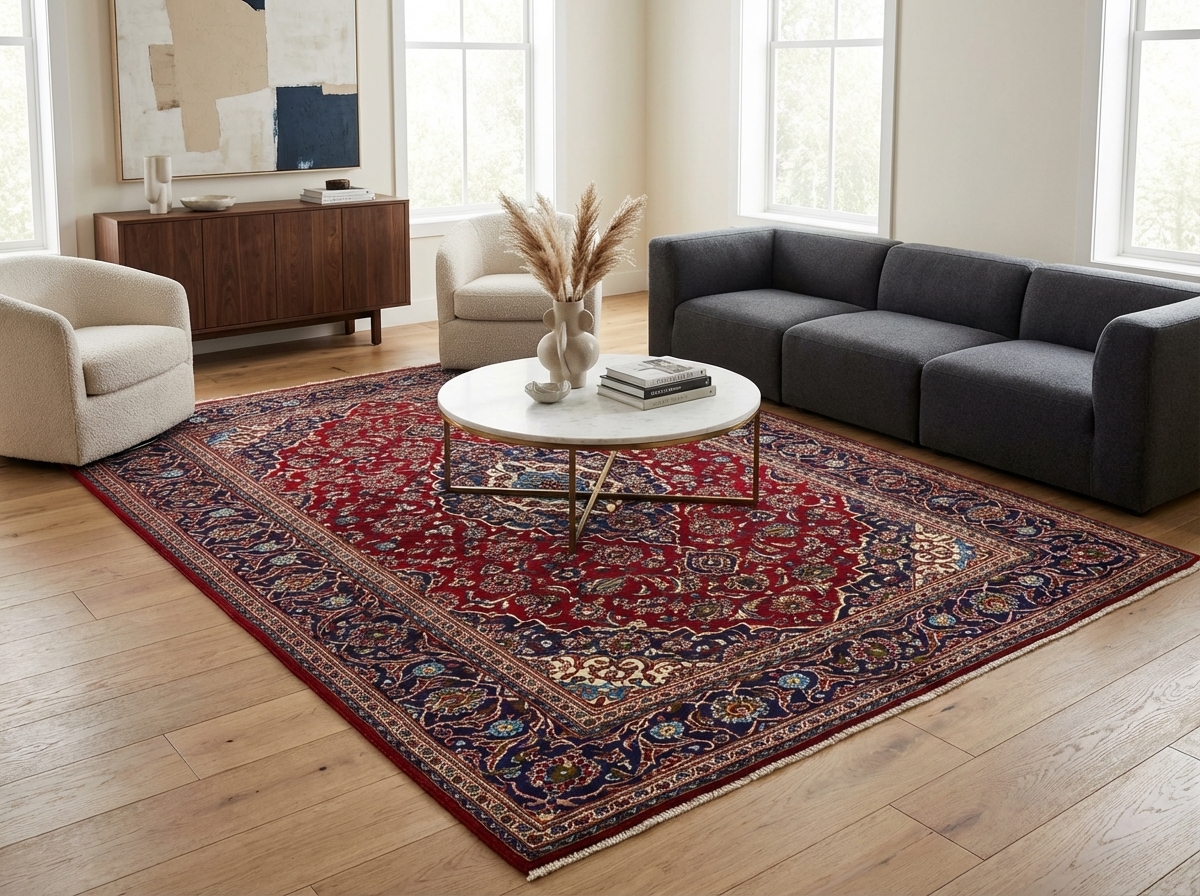
For example, a detailed Persian rug can work beautifully beneath streamlined furniture. A muted antique design can soften a minimalist space, while a more colorful rug can introduce personality into a neutral room.
The key is not to make every element in the room compete for attention. An antique rug already carries visual history, so giving it enough surrounding space can allow its craftsmanship to become part of the room’s story.
Final Thoughts
Choosing antique rugs is ultimately about more than finding an old floor covering. It is about understanding craftsmanship, materials, condition, design, and how a piece will live within a particular space.
Buyers who take time to examine construction, evaluate condition, compare styles, and understand the rug’s background are more likely to find a piece that feels right for both the home and the people living in it.
For Palo Alto homeowners interested in exploring antique, vintage, traditional, and other handcrafted rug styles, visiting a specialized rug gallery can also provide an opportunity to see the texture, color, construction, and scale of different pieces in person. Artsy Rugs maintains a luxury rug gallery and design studio in Palo Alto with collections sourced from around the world.