Disposable THC Pens and Reusable Vape Options Compared
Disposable THC pens offer convenience, while reusable vape devices can reduce repeated hardware waste. The right choice depends on cost over time, ease of use, device care, and product availability. Vapes & Cartridges options have health risks, and THC products can affect memory, judgment, and coordination.
Choosing between these formats also means understanding what goes inside the device. Oil type, cartridge design, battery needs, and product testing all matter. This guide explains the key differences, common terms, and safety concerns to consider when comparing cannabis vape products.
What Makes Disposable and Reusable Vape Devices Different?
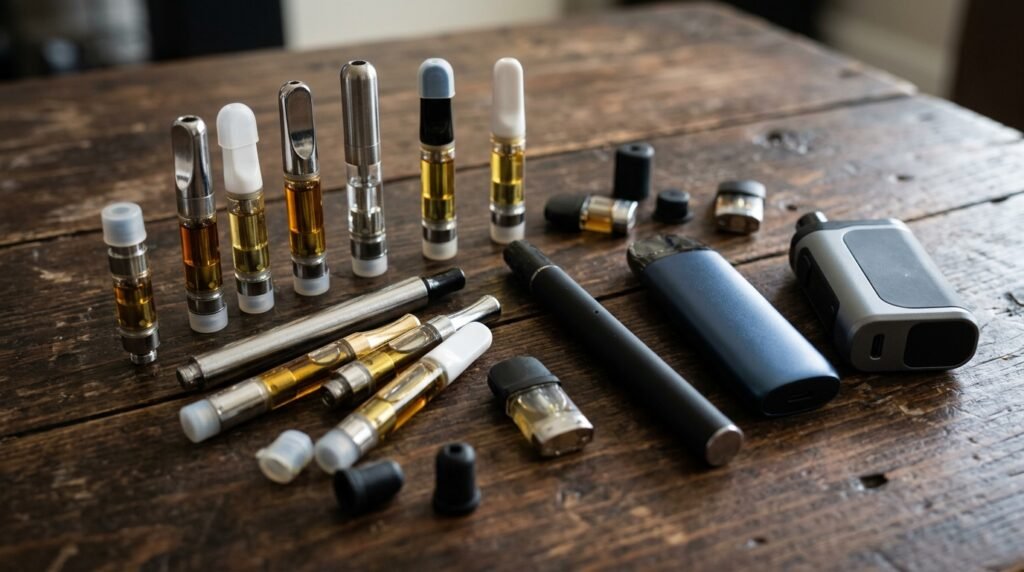
Disposable devices combine a battery and oil chamber in one unit. Once the oil runs out or the battery stops working, the whole device is usually discarded. Reusable systems use a separate battery and a replaceable cartridge. The exact design varies, so not every cartridge works with every device.
The main difference is how each format handles power, oil, and waste. Vapes & Cartridges covers a broad group of products, from single-use pens to reusable battery systems. Disposable THC pens may appeal to people who want fewer separate parts. Reusable options have more components to manage, including charging, storage, and cartridge changes.
How Disposable Devices Work
A disposable pen usually contains a battery, heating element, and prefilled oil chamber. When activated, the heater warms the oil and creates an aerosol for inhalation. Some devices use a button, while others activate when the user inhales. The battery and oil capacity are set by the product design.
These devices do not usually need separate charging equipment or cartridge changes. However, battery failure can leave oil unused, and the unit must be handled as electronic waste. A device that looks empty may still contain residue. Users should follow its instructions and avoid opening or modifying the casing.
How Reusable Devices Work
A reusable system has a battery that powers a separate cartridge. The cartridge holds the oil and heating parts, while the battery supplies power. Some systems use a common connector, but others require brand-specific parts. Compatibility should be confirmed before any replacement is considered.
Reusable designs can create less device waste if the battery lasts through many cartridge changes. They still require care, safe charging, and proper storage. A damaged battery or leaking cartridge can create risks. Reuse also does not make the oil itself safer, so product quality remains a separate concern.
How Do Costs, Waste, and Convenience Compare?
Disposable and reusable designs involve different types of cost and effort. A disposable unit combines the main parts into one purchase, while a reusable system separates the battery from the oil supply. A fair comparison should consider the full cost of the device, replacement cartridges, charging needs, and safe disposal.
The best format cannot be judged by the first purchase alone. A reusable battery may need replacement, and cartridge prices can vary by product and location. Disposable units can create more electronic waste because the battery is discarded with the device. Local rules may also limit how vape products and batteries can be disposed of.
Convenience and Daily Care
A disposable unit has fewer separate parts to manage. It generally arrives with oil already inside, so there is no need to fit a new cartridge. This design may seem simpler, but it can be harder to deal with when the battery fails or the unit leaks. It also offers little opportunity to replace one part.
Reusable systems need more attention. The battery may require charging, and cartridges must be stored and handled correctly. Users also need to check that parts fit and that seals remain intact. Convenience depends on the person’s willingness to manage these tasks rather than on the device format alone.
Waste and Long-Term Value
The waste from a disposable device includes its battery, casing, and remaining components. These parts should not automatically go into household rubbish or standard recycling bins. Batteries can pose fire risks if crushed or damaged. Local waste services can explain the correct route for electronic devices and batteries.
Reusable devices separate the battery from each oil cartridge, which may reduce hardware waste over time. However, cartridges can still contain residue and mixed materials that are difficult to recycle. A longer device life does not prove that its contents are safe. Cost, waste, and product quality should be assessed separately.
What Should You Know About Oil and Cartridge Types?
Cannabis vape products can contain different forms of THC oil and other cannabis extracts. Their contents depend on the source material, extraction process, and formulation. Product labels may describe the oil as a distillate or a live resin extract. Those terms refer to different production methods, not a guarantee of safety or effect.
Cannabis vape pens can use different oil formulations, and the label alone may not tell the whole story. THC cartridges may contain concentrated cannabis compounds, added terpenes, or other ingredients. Live resin carts are made from cannabis material that is typically frozen soon after harvest to preserve more of its original terpene profile. Actual contents still depend on the product and its testing.
What Live Resin and Distillate Mean
Distillate is a refined cannabis extract designed to concentrate certain compounds, such as THC. The refining process can remove many other compounds from the starting material. Some products add terpenes later to shape their aroma and taste. Formulations differ, so buyers should not assume all distillates have the same contents.
Live resin is generally produced from fresh frozen cannabis rather than material dried and cured in the usual way. This can help preserve a wider range of the plant’s aromatic compounds. Yet live resin is still a concentrated extract. Its name does not confirm its strength, purity, or safety without reliable test results.
How to Read Product Labels
A clear label should identify the contents, THC concentration, ingredients, manufacturer, and relevant batch details. A certificate of analysis from a qualified lab can provide more information about cannabinoid levels and tested contaminants. Look for results that match the exact product and batch rather than a general company report.
Avoid products with unclear ingredients, missing test records, damaged packaging, or signs of tampering. Illicit products may contain harmful additives or contaminants. Vitamin E acetate has been linked to the outbreak of vaping-related lung injury, especially in THC products from informal sources. Testing can reduce some uncertainty, but it cannot remove every risk associated with inhalation.
What Safety Risks Should Users Consider?
Vaping cannabis is not risk-free, even when a product comes from a legal source. THC can affect attention, short-term memory, reaction time, and decision-making. The effects may vary with dose, tolerance, other substances, and individual health. Concentrated oils can deliver high amounts of THC, making unwanted effects more likely.
Cannabis oil vapes may seem easy to use because they create little visible smoke and often have a small design. However, the aerosol can contain harmful substances, and long-term effects are still being studied. Avoid driving or operating machinery after using THC. People who are pregnant, young, or at risk of mental health problems should avoid cannabis use and seek advice from a qualified health professional when needed.
Battery, Storage, and Handling Risks
Vape batteries can overheat, catch fire, or fail if they are damaged or charged incorrectly. Use only the charging equipment recommended by the manufacturer. Keep devices away from extreme heat, water, and loose metal objects. Stop using a unit that swells, leaks, smells unusual, or becomes abnormally hot.
THC oil should also be kept away from children and pets. Store products in secure packaging and follow the label’s storage advice. Accidental ingestion can cause serious effects, especially in children. If a person or pet may have swallowed cannabis oil, contact local poison control or a veterinary professional promptly.
How Can You Compare Products Without Guessing?
A sound comparison starts with reliable information rather than packaging claims. Compare disposable and reusable cannabis vape pens by checking the device design, stated ingredients, battery details, and available lab results. Do not treat a high THC figure as proof of better quality. Potency, purity, and device reliability are separate issues.
Search terms can also help explain what a product claims to contain. Someone looking to find live resin cannabis vape cartridges should check the extract type and matching lab report. People who explore cannabis oil vape product options should read ingredient lists and confirm local laws. Choosing THC cartridges by product type requires attention to compatibility and contents, not just appearance. Claims that invite people to buy cannabis vape pens for convenience should be weighed against safety, waste, and ongoing costs.
Conclusion
Disposable and reusable vape formats differ in design, care, waste, and long-term cost. Vapes & Cartridges can refer to several product types, so it helps to separate device features from oil contents. Neither format removes the health risks linked to THC or inhaled aerosols. Reliable labels, suitable lab records, and safe handling all matter.
The most useful comparison is based on facts rather than claims about convenience or strength. Check local laws, review the product details, and avoid items with unknown contents or poor safety records. Keep batteries and oil products away from children and pets. If the risks are unclear, choosing not to vape is the lowest-risk option.
FAQ
Are disposable pens safer than reusable devices?
Neither format is automatically safer. Risks depend on the oil, contaminants, heating system, and device condition. Both can expose users to harmful substances, and THC can affect judgment and memory.
Can every cartridge fit a reusable battery?
No. Cartridge size, connector type, and device requirements can vary. Check the manufacturer’s compatibility details before using replacement parts. Never force a cartridge into a device.
What does a live resin label mean?
Live resin usually refers to an extract made from fresh frozen cannabis material. It may retain more of the plant’s aromatic compounds. The label does not prove purity or safety.
How should used vape devices be discarded?
Follow local rules for electronic waste and batteries. Do not crush, burn, or dismantle a device. Ask a local waste service about safe disposal options for batteries and oil residue.
What should a cannabis vape lab report show?
A useful report should identify the product or batch and show relevant test results. These may include cannabinoid content and checks for certain contaminants. A report cannot prove that inhaling the product is safe.