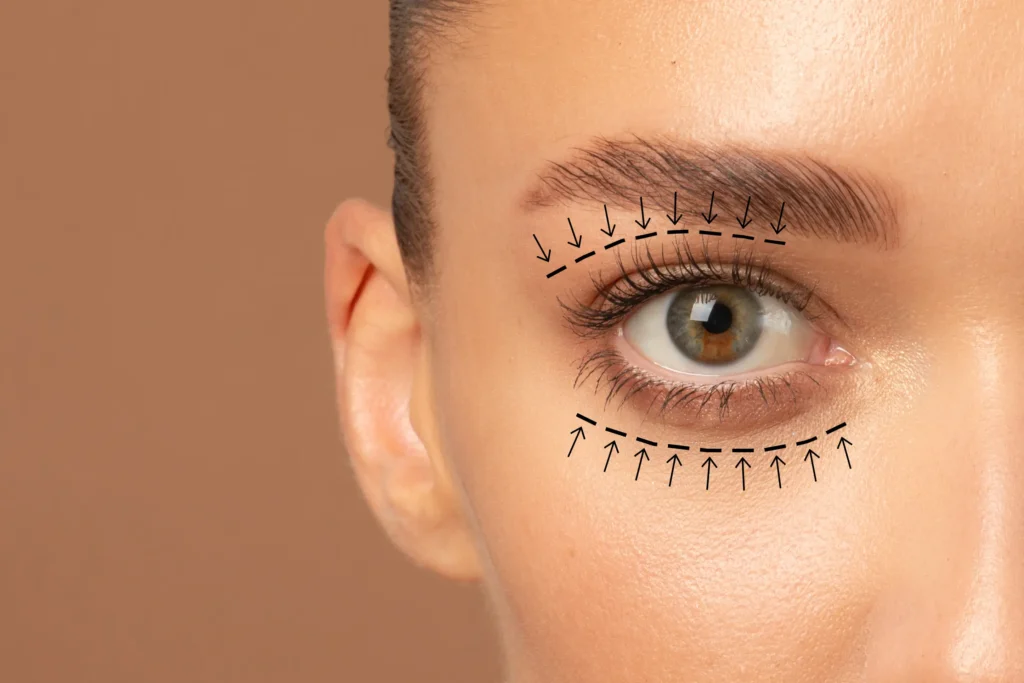
The appearance of the upper eyelids can influence the overall balance and expression of the face. For some people, excess skin, naturally heavy eyelids, or changes in eyelid shape become more noticeable over time. Others may have concerns about the way their upper eyelids have developed naturally or how they affect the appearance of their eyes. Understanding these individual characteristics is an important part of planning an appropriate treatment approach.
At Bodyvie Clinic, an assessment for upper eyelid surgery involves considering the patient’s existing eyelid structure, facial proportions, skin characteristics, and personal aesthetic goals. Rather than focusing on a single feature, the review considers how different aspects of the upper eyelids work together to create the overall appearance of the eyes.
Upper Blepharoplasty in London involves an individualised assessment to determine which eyelid features may be addressed through surgery. This process helps establish realistic expectations and supports a treatment plan that takes the patient’s natural anatomy into account.
Why Are Individual Eyelid Features Reviewed Before Surgery?
Every person’s eyelids have a distinct shape, skin texture, and underlying structure. Even when two people share similar concerns, the anatomical reasons behind their appearance may differ. A detailed assessment helps identify these differences and provides a clearer understanding of the treatment considerations.
For example, one person may have excess skin that rests close to the upper eyelashes, while another may have naturally deep-set eyes or a particular eyelid crease. Some people notice asymmetry between their eyes, whereas others are primarily concerned about the overall appearance of the upper eyelid area.
These differences influence how the eyelids are assessed and which features may be relevant to the surgical plan. Reviewing individual characteristics also helps avoid a standardised approach that does not account for the patient’s natural facial structure.
An assessment may include a discussion of the patient’s concerns, an examination of the eyelids at rest and during natural facial movements, and consideration of how the upper eyelids relate to the eyebrows and surrounding features.
How Is Upper Eyelid Skin Evaluated?
Skin is one of the main features reviewed during an upper eyelid assessment. The upper eyelid has delicate skin, and its appearance can change with age, inherited characteristics, and natural variations in skin elasticity.
During a consultation, the clinician may examine the amount of skin present, its elasticity, and the way it sits over the natural eyelid crease. Particular attention may be given to whether excess skin creates a hooded appearance or changes the visible space between the eyelid crease and the eyelashes.
The distribution of skin is also important. Some individuals have more noticeable skin folds towards the inner corners of their eyes, while others have excess skin extending across the central or outer portions of the upper eyelids.
These variations help inform the assessment of which areas require attention. The aim is to understand the existing skin pattern and consider how it contributes to the patient’s concerns, rather than assuming that every upper eyelid requires the same degree of correction.
Skin characteristics are reviewed alongside the underlying eyelid anatomy to establish a balanced understanding of the area.
How Is the Natural Eyelid Crease Assessed?
The eyelid crease is an important anatomical feature that contributes to the shape and definition of the eyes. Its height, depth, and visibility vary naturally between individuals and can influence how the upper eyelids appear.
During an assessment for Upper Eyelid Surgery In London, the clinician may examine the position of the crease, the way the skin folds above it, and whether the crease is clearly defined or partially concealed by excess skin.
A naturally prominent crease can create a different appearance from a lower or less visible crease. Similarly, the relationship between the crease and the eyelashes may affect how much of the upper eyelid is visible when the eyes are open.
Previous eyelid procedures, natural ageing, and individual anatomical differences may also influence the crease’s appearance.
Understanding these details helps the clinician consider the patient’s existing eyelid structure when discussing a suitable surgical approach. Maintaining a natural-looking relationship between the eyelid crease, eyelashes, and surrounding facial features is an important consideration in treatment planning.
How Are Eyelid Shape and Symmetry Reviewed?
Although the two sides of the face are often described as symmetrical, small differences between the eyes are common. These variations may involve the height of the eyelid crease, the amount of visible skin, the shape of the eyelid fold, or the position of the eyebrows.
An upper eyelid consultation may involve comparing both eyes to understand these differences. The clinician can observe whether one eyelid appears heavier, whether the skin folds differ, and whether the overall eye shape is similar on both sides.
It is also important to distinguish between differences caused by excess skin and those associated with the position of the eyelid itself. These features can create similar visual effects but may require different considerations during assessment.
Photographs and observations from different viewing angles may help document the existing appearance of the eyelids. The clinician can then discuss which differences are relevant to the patient’s goals and what degree of change may be realistic.
The purpose of this review is not necessarily to make both eyelids identical. Instead, it is to understand the natural asymmetry and consider how any planned treatment may complement the face as a whole.
What Role Do the Eyebrows Play in Upper Eyelid Assessment?
The eyebrows and upper eyelids are closely related. Changes in eyebrow position can affect the amount of skin visible above the eyes, making it important to consider both areas during a consultation.
For example, a lower eyebrow position may contribute to a heavier appearance around the upper eyelids. In other cases, excess eyelid skin may be the main factor affecting the visible eyelid area. These features can occur together, which is why an assessment should not focus on the eyelid skin in isolation.
The clinician may examine the position of the eyebrows while the patient looks straight ahead and during natural facial movements. The relationship between the brow, eyelid crease, and eyelashes can provide useful information about the source of the patient’s concerns.
Understanding this relationship helps guide a discussion about whether upper blepharoplasty alone may address the features being considered. It also allows the clinician to explain when other anatomical factors may influence the overall result.
A personalised assessment takes the existing position of the eyebrows into account rather than assuming that removing excess eyelid skin will address every concern around the eyes.
How Is the Relationship Between the Eyelids and Facial Features Considered?
The upper eyelids are only one part of the facial structure. Their appearance is influenced by the forehead, eyebrows, eye shape, cheek area, and the overall proportions of the face.
During a consultation, the clinician may review the eyelids from the front and consider how they appear in relation to the rest of the face. This broader perspective helps establish whether the patient’s concerns are concentrated around excess skin or involve a combination of different features.
For instance, the appearance of a hooded upper eyelid may be influenced by the natural depth of the eye socket, the shape of the brow, and the distribution of skin. Considering these elements together can provide a more complete understanding of the patient’s anatomy.
The assessment may also explore the patient’s preferred outcome. Some individuals want a more visible upper eyelid crease, while others are interested in reducing the appearance of heavy skin folds without significantly changing their natural eye shape.
These preferences help guide the consultation, but they are considered alongside anatomical suitability and realistic expectations. The aim is to discuss changes that complement the patient’s existing facial features.
How Are Personal Goals Discussed During a Consultation?
Understanding the patient’s expectations is an important part of planning upper eyelid surgery. People may seek treatment for different reasons, and these concerns can influence which features receive the most attention during the assessment.
Some patients focus on excess skin that makes their upper eyelids appear heavy. Others are concerned about the visibility of their eyelid crease, differences between their eyes, or a change in the appearance of their eyes over time.
During the consultation, patients can explain which features they would most like to address and how they would prefer their eyes to look following treatment. The clinician can then compare these goals with the findings of the anatomical assessment.
This discussion also provides an opportunity to clarify what upper blepharoplasty is designed to address. The procedure generally focuses on excess upper eyelid skin and, where appropriate, selected underlying tissue. It does not necessarily address every factor contributing to the appearance of the eye area.
Clear communication helps establish shared expectations and ensures that the proposed approach reflects the patient’s concerns while respecting their natural anatomy.
What Happens After the Eyelid Assessment?
Following the examination and discussion, the clinician can explain the findings and outline the next steps. This may include discussing whether upper eyelid surgery is suitable, which features may be addressed, and how the proposed treatment relates to the patient’s individual goals.
The consultation may also cover the general surgical approach, the expected nature of the changes, and the practical arrangements involved in treatment. Where necessary, additional assessment may be recommended to clarify particular anatomical findings.
Patients should have the opportunity to ask questions and understand how their individual eyelid characteristics influence the treatment plan. The clinician can explain why certain features are being considered and how the intended outcome relates to the patient’s existing eye shape.
Choosing a Blepharoplasty Clinic in London that provides an individualised consultation can help patients understand the assessment process and make informed decisions about their options.
At Bodyvie Clinic, the assessment process should be approached as a discussion between the patient and clinician, with attention given to personal concerns, anatomical findings, and realistic treatment objectives.
Conclusion
Reviewing individual eyelid features is an important part of planning upper eyelid surgery. Skin distribution, eyelid crease position, eye shape, natural asymmetry, eyebrow position, and overall facial proportions all contribute to the appearance of the upper eyelids.
A thorough consultation helps identify which features are most relevant to the patient’s concerns and whether upper blepharoplasty may be an appropriate option. It also provides an opportunity to discuss personal goals, understand the proposed approach, and establish realistic expectations.
For those considering Upper Blepharoplasty in London, an individualised assessment at Bodyvie Clinic can provide a clearer understanding of their eyelid anatomy and the factors that may influence treatment planning. By considering the eyes in the context of the whole face, the consultation supports a thoughtful approach to achieving an outcome that complements the patient’s natural features.
Frequently Asked Questions
1. What features are reviewed during an upper blepharoplasty consultation?
The assessment may include upper eyelid skin, skin elasticity, eyelid crease position, eye shape, natural asymmetry, eyebrow position, and the relationship between the eyelids and surrounding facial features. The patient’s goals are also discussed.
2. Why is eyelid skin evaluated before upper eyelid surgery?
The amount and distribution of excess skin can influence the appearance of the upper eyelids. Evaluating these characteristics helps the clinician understand the patient’s concerns and determine whether the skin is a relevant factor in the proposed treatment.
3. Does upper blepharoplasty change the natural shape of the eyes?
Upper blepharoplasty primarily addresses excess upper eyelid skin and may involve selected underlying tissue where appropriate. The extent of any change in appearance depends on the individual’s anatomy and surgical plan. The intended outcome should be discussed during the consultation.
4. Is eyelid asymmetry considered during the assessment?
Yes. Comparing both eyes helps the clinician understand natural differences in skin folds, crease height, and eyelid shape. This information can inform treatment planning and the discussion of realistic expectations.
5. Why are the eyebrows examined during an upper eyelid consultation?
The eyebrows influence the appearance of the upper eyelids. Their position may contribute to a heavy or hooded appearance, so examining the relationship between the brows and eyelids helps clarify which anatomical features are contributing to the patient’s concerns.
6. How long does an upper blepharoplasty consultation take?
The duration depends on the individual’s concerns and the extent of the assessment required. The appointment generally allows time to discuss the patient’s goals, examine the eyelid anatomy, review suitability, and explain the proposed treatment approach.
7. Who may consider upper eyelid surgery in London?
Adults who are concerned about excess upper eyelid skin or the appearance of hooded eyelids may wish to arrange a consultation. Suitability depends on individual anatomy, medical history, expectations, and the clinician’s assessment.
8. What should I discuss during my consultation at Bodyvie Clinic?
You can discuss the eyelid features that concern you, any changes you have noticed, your preferred outcome, and questions about the procedure. Sharing your priorities helps the clinician explain the assessment findings and determine whether upper blepharoplasty may be suitable for you.