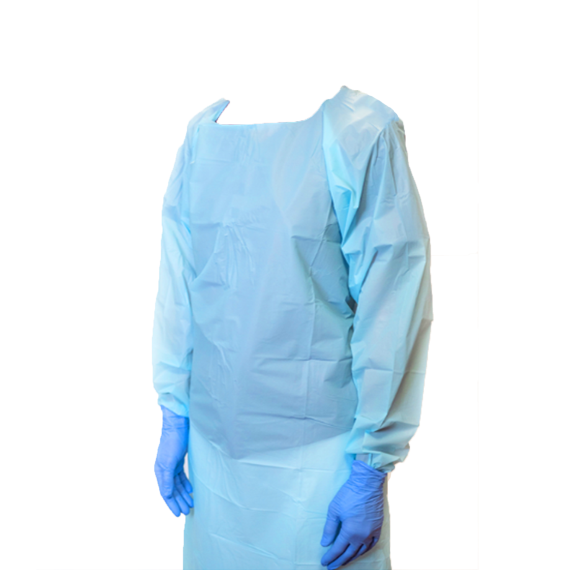
In healthcare environments, preventing the spread of infections and maintaining strict hygiene standards are top priorities. Medical professionals, caregivers, laboratory workers, and support staff often work in situations where exposure to infectious materials, bodily fluids, and contaminants is possible. This is why using proper protective clothing such as an isolation gown is essential for creating safer healthcare environments.
Isolation gowns provide a protective barrier between healthcare workers and potential hazards. They help protect clothing and skin from contamination during patient care, medical procedures, cleaning activities, and other healthcare tasks. By reducing direct exposure risks, isolation gowns support infection prevention practices and improve workplace safety.
These protective garments are widely used in hospitals, clinics, emergency departments, laboratories, aged care facilities, and other environments where contamination control is important. They are available in different materials, designs, and protection levels to meet various healthcare requirements.
Choosing the right isolation gown requires understanding its features, uses, protection levels, materials, and quality standards. Healthcare organisations need reliable protective equipment that offers comfort, durability, and effective coverage.
This comprehensive guide explains everything you need to know about isolation gowns, including their purpose, benefits, types, applications, selection factors, and why they are an important part of healthcare safety procedures.
What Is an Isolation Gown?
An isolation gown is a protective garment designed to shield healthcare workers’ clothing and skin from exposure to infectious materials, liquids, and contaminants.
Isolation gowns are typically worn during activities where there is a risk of contact with:
- Bodily fluids
- Infectious materials
- Contaminated surfaces
- Medical waste
- Hazardous substances
These gowns create a physical barrier that helps reduce the transfer of contaminants between healthcare workers, patients, and surrounding environments.
They are commonly used in:
- Hospitals
- Medical clinics
- Laboratories
- Emergency care settings
- Nursing homes
- Dental facilities
- Pharmaceutical environments
Isolation gowns are generally disposable and designed for single-use applications to maintain hygiene and reduce contamination risks.
Why Isolation Gowns Are Important in Healthcare
Healthcare workers regularly perform tasks that involve close contact with patients and potentially contaminated materials. Isolation gowns provide an additional layer of protection during these activities.
Helps Prevent Contamination Spread
One of the primary purposes of an isolation gown is reducing the movement of contaminants.
The gown acts as a protective layer that helps prevent:
- Contaminants reaching clothing
- Transfer of infectious materials
- Cross-contamination between areas
This makes isolation gowns an important component of infection control strategies.
Protects Healthcare Workers
Medical professionals may encounter exposure risks during routine activities.
Isolation gowns help protect workers during:
- Patient examinations
- Medical procedures
- Cleaning tasks
- Laboratory work
They provide additional confidence and safety while performing essential duties.
Protects Patients and Healthcare Environments
Protecting healthcare workers also helps protect patients.
Proper use of isolation gowns supports cleaner environments by reducing the chance of transferring contaminants between individuals.
Supports Infection Control Procedures
Healthcare facilities follow strict infection prevention protocols.
Isolation gowns support these procedures by providing:
- Barrier protection
- Disposable coverage
- Improved hygiene control
Improves Workplace Safety
Healthcare workers need protective equipment they can depend on.
Quality isolation gowns help create safer working conditions and reduce occupational exposure risks.
Types of Isolation Gowns
Different healthcare environments require different types of isolation gowns based on risk levels and protection requirements.
Disposable Isolation Gowns
Disposable isolation gowns are the most commonly used option in healthcare settings.
They are designed for:
- Single-use protection
- Easy disposal
- Reduced contamination risk
Disposable gowns help maintain hygiene by providing a fresh protective garment for each use.
Fluid-Resistant Isolation Gowns
Fluid-resistant gowns are designed to provide protection against liquid exposure.
They help protect against:
- Splashes
- Moisture
- Fluid contact
These gowns are commonly used in environments where exposure to liquids is possible.
Non-Sterile Isolation Gowns
Non-sterile isolation gowns are used for general protection applications.
They are suitable for:
- Routine patient care
- Cleaning activities
- General healthcare tasks
Sterile Isolation Gowns
Sterile isolation gowns are designed for environments requiring higher levels of contamination control.
They are commonly used during:
- Surgical procedures
- Controlled medical applications
Reusable Isolation Gowns
Some isolation gowns are designed for repeated use after proper cleaning and sterilisation.
Reusable gowns may be used in situations where:
- Long-term use is practical
- Laundry systems are available
- Environmental considerations are important
Key Features of a Quality Isolation Gown
Choosing a high-quality isolation gown ensures better protection and user comfort.
Protective Material
The material plays an important role in gown performance.
Common materials include:
- Polypropylene
- SMS fabric
- Polyethylene-coated materials
- Other protective nonwoven fabrics
The right material depends on the required protection level.
Full Body Coverage
A good isolation gown should provide adequate coverage.
Important design features include:
- Long sleeves
- Front coverage
- Secure closure
- Comfortable fit
Elastic or Knitted Cuffs
Cuff design helps improve protection around the wrists.
Benefits include:
- Better coverage
- Reduced exposure risk
- Improved fit with gloves
Secure Fastening System
Isolation gowns commonly use:
- Tie closures
- Hook-and-loop fasteners
- Snap buttons
A secure closure helps maintain protection during movement.
Comfortable Design
Healthcare workers may wear gowns for extended periods.
Comfort features include:
- Lightweight fabric
- Breathable material
- Flexible construction
- Proper sizing
Benefits of Using Isolation Gowns
Isolation gowns provide several advantages across healthcare and professional environments.
Reduces Exposure Risks
Isolation gowns create a barrier between users and contaminants.
They help reduce exposure during healthcare activities.
Supports Better Hygiene Practices
Disposable gowns help maintain clean treatment environments.
They reduce the risk of carrying contaminants between locations.
Easy to Use and Replace
Disposable isolation gowns are convenient because they can be:
- Stored easily
- Quickly worn
- Replaced after use
Reduces Laundry Requirements
Disposable options eliminate the need for washing and maintenance.
This helps healthcare facilities save time and resources.
Improves Patient Confidence
Patients feel more comfortable when healthcare professionals follow visible hygiene practices.
Using protective clothing demonstrates commitment to safety.
Applications of Isolation Gowns
Isolation gowns are used in many industries and healthcare environments.
Hospitals
Hospitals require isolation gowns for multiple departments.
Common uses include:
- Patient care
- Infection control areas
- Emergency departments
- Isolation rooms
Clinics and Medical Centres
Clinics use isolation gowns during consultations and procedures where additional protection is required.
Laboratories
Laboratory workers use isolation gowns to protect themselves and prevent sample contamination.
Applications include:
- Research activities
- Testing procedures
- Sample handling
Aged Care Facilities
Aged care environments use isolation gowns to protect vulnerable residents and healthcare workers.
They support infection prevention practices in residential care settings.
Dental Facilities
Dental professionals use protective clothing to reduce exposure to:
- Fluids
- Aerosols
- Contaminants
Pharmaceutical and Cleanroom Environments
Pharmaceutical facilities require controlled environments where contamination prevention is important.
Isolation gowns help maintain clean working conditions.
How to Choose the Right Isolation Gown
Selecting the right isolation gown requires considering workplace requirements and protection needs.
Evaluate Protection Level
Different environments require different levels of protection.
Consider:
- Exposure risks
- Type of procedures
- Contact with fluids
- Workplace conditions
Choose Suitable Material
Material selection affects:
- Fluid resistance
- Comfort
- Durability
- Breathability
Healthcare facilities should choose materials appropriate for their applications.
Consider Size and Fit
Proper sizing improves comfort and protection.
An isolation gown should allow:
- Easy movement
- Full coverage
- Comfortable wear
Check Quality Standards
Reliable gowns should meet appropriate safety and performance requirements.
Consider:
- Manufacturing quality
- Material reliability
- Product consistency
Select a Reliable Supplier
A trusted supplier provides:
- Consistent availability
- Quality products
- Bulk purchasing options
- Reliable delivery
Isolation Gown vs Medical Gown
Many people compare isolation gowns with medical gowns.
Isolation gowns are generally designed for:
- Infection control
- Barrier protection
- General healthcare exposure risks
Medical gowns may refer to a broader category of protective garments used in healthcare settings.
The correct choice depends on:
- Required protection level
- Workplace application
- Healthcare guidelines
Importance of Proper Use and Disposal of Isolation Gowns
Correct usage is essential for achieving effective protection.
Healthcare workers should follow proper procedures for:
- Wearing gowns correctly
- Removing gowns safely
- Disposing of disposable gowns properly
Improper removal can increase contamination risks.
Training and workplace protocols help ensure safe gown usage.
Sustainability Considerations for Isolation Gowns
Disposable protective equipment is essential for healthcare safety, but environmental responsibility is also important.
Healthcare organisations can improve sustainability by:
- Managing waste properly
- Using supplies efficiently
- Choosing responsible suppliers
- Following recycling programs where available
Balancing safety and environmental responsibility helps create more sustainable healthcare practices.
Common Mistakes When Choosing Isolation Gowns
Healthcare organisations should avoid several common mistakes.
Choosing Based Only on Price
Low-cost gowns may not provide the required protection level.
Quality and reliability should always be considered.
Ignoring Material Requirements
Different environments require different gown materials.
Selecting the wrong material may reduce effectiveness.
Buying Incorrect Sizes
Poor-fitting gowns may reduce comfort and coverage.
Poor Inventory Planning
Healthcare facilities should monitor usage to avoid:
- Stock shortages
- Emergency purchases
- Supply interruptions
Why Isolation Gowns Are a Smart Healthcare Investment
Protective clothing plays an essential role in maintaining safe healthcare environments.
An isolation gown provides healthcare workers with reliable protection while supporting infection prevention procedures.
They help organisations:
- Improve safety standards
- Reduce contamination risks
- Protect employees and patients
- Maintain professional healthcare practices
From hospitals and laboratories to clinics and aged care facilities, isolation gowns remain a critical part of personal protective equipment.
Conclusion: Choose Quality Isolation Gowns for Better Healthcare Protection
Healthcare safety depends on reliable protective equipment. An isolation gown provides an effective barrier against contaminants and helps healthcare workers perform their duties more safely.
By choosing the right material, protection level, size, and supplier, healthcare organisations can improve infection control practices and maintain safer environments.
Whether used in hospitals, laboratories, clinics, or other healthcare settings, isolation gowns are an essential protective solution for modern healthcare operations.
Frequently Asked Questions About Isolation Gowns
What is an isolation gown?
An isolation gown is a protective garment designed to protect healthcare workers’ clothing and skin from contaminants, infectious materials, and liquid exposure.
Where are isolation gowns used?
Isolation gowns are used in hospitals, clinics, laboratories, aged care facilities, dental practices, pharmaceutical environments, and cleanrooms.
Are isolation gowns reusable?
Some isolation gowns are reusable after proper cleaning, while many disposable gowns are designed for single use.
What materials are isolation gowns made from?
Isolation gowns are commonly made from polypropylene, SMS fabric, polyethylene-coated materials, and other protective nonwoven fabrics.
Why are isolation gowns important?
They help reduce contamination risks, protect healthcare workers, and support infection prevention procedures.
What is the difference between isolation gowns and surgical gowns?
Isolation gowns are generally used for infection control and barrier protection, while surgical gowns are designed for specific surgical procedures requiring higher levels of protection.
How do I choose the right isolation gown?
Consider protection level, material, size, comfort, workplace requirements, and supplier reliability before selecting an isolation gown.