Moisture can cause serious damage to a wide range of products during storage, transportation, and everyday use. Electronics can develop corrosion, food products can lose freshness, leather goods can grow mould, and pharmaceutical items may lose quality when exposed to excess humidity. To prevent these issues, many industries use silica gel as an effective moisture control solution.
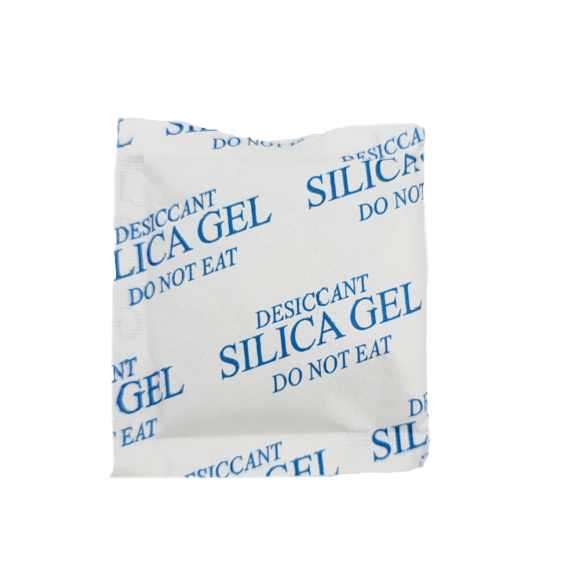
Silica gel is a versatile desiccant material used worldwide for protecting products from humidity-related damage. Although many people recognise it from the small packets found inside product packaging, its applications extend far beyond consumer goods. Industries such as pharmaceuticals, electronics, logistics, food packaging, manufacturing, and retail depend on silica gel to maintain dry environments and preserve product quality.
Understanding how silica gel works, where it is used, and how to choose the right type helps businesses make better decisions for moisture protection and product preservation.
What Is Silica Gel?
Silica gel is a solid, porous material made from silicon dioxide, a naturally occurring compound found in materials such as sand and quartz. Despite its name, silica gel is not a liquid gel. It is a granular substance containing millions of microscopic pores that attract and hold moisture molecules.
Silica gel works as a desiccant, meaning it absorbs moisture from the surrounding environment and helps reduce humidity levels.
It is commonly available in forms such as:
- Silica gel packets
- Sachets
- Beads
- Canisters
- Industrial moisture absorbers
These products are placed inside packaging or storage areas to protect moisture-sensitive items.
How Does Silica Gel Work?
Silica gel works through a process called adsorption. Instead of absorbing water like a sponge, silica gel attracts moisture molecules and holds them on its surface.
The tiny pores within silica gel provide a large surface area where moisture can collect.
The moisture control process helps:
- Reduce humidity
- Prevent condensation
- Protect products from water damage
- Maintain stable storage conditions
Because silica gel does not release liquid after collecting moisture, it is suitable for protecting sensitive products.
Why Is Silica Gel Important?
Humidity is a common cause of product deterioration. Even small amounts of moisture can affect product quality over time.
Silica gel helps protect products from:
- Corrosion
- Mould growth
- Bad odours
- Packaging damage
- Reduced shelf life
- Electronic failures
For businesses that store or transport sensitive products, moisture control is an important part of quality management.
Benefits of Using Silica Gel
Silica gel provides several benefits across commercial and industrial applications.
Effective Moisture Protection
The main advantage of silica gel is its ability to control moisture levels.
It helps create a dry environment inside packaging, making it suitable for protecting:
- Electronics
- Pharmaceuticals
- Food products
- Leather goods
- Industrial components
Prevents Corrosion
Metal products are highly vulnerable to moisture exposure.
Silica gel helps protect:
- Machinery parts
- Tools
- Electronic components
- Automotive products
By reducing humidity, it lowers the risk of rust and corrosion.
Extends Product Shelf Life
Moisture can reduce the quality and usability of many products.
Silica gel helps maintain product condition by controlling humidity during:
- Storage
- Shipping
- Warehousing
Protects During Transportation
Products often experience changing environmental conditions while being transported.
Silica gel helps protect goods during:
- International shipping
- Long-distance delivery
- Container transportation
Compact and Lightweight Solution
Silica gel requires very little space while providing effective moisture protection.
Small packets can easily be placed inside:
- Product boxes
- Packaging containers
- Storage cases
- Shipping cartons
Common Applications of Silica Gel
Silica gel is used in many industries because of its reliable moisture control properties.
Electronics Industry
Electronic devices are highly sensitive to moisture.
Silica gel helps protect:
- Smartphones
- Cameras
- Computers
- Circuit boards
- Electronic accessories
Humidity control helps reduce corrosion and performance issues.
Pharmaceutical Industry
Pharmaceutical products often require stable storage conditions.
Silica gel is commonly used with:
- Tablets
- Capsules
- Medical equipment
- Diagnostic products
It helps maintain product quality throughout storage and transportation.
Food Packaging
Many packaged foods require moisture control to maintain freshness and texture.
Silica gel is used with:
- Dried foods
- Snacks
- Spices
- Supplements
It helps reduce moisture-related spoilage.
Leather Goods
Leather products can absorb moisture, which may cause damage over time.
Silica gel is commonly placed with:
- Shoes
- Handbags
- Wallets
- Leather accessories
It helps prevent mould and unpleasant smells.
Textile Products
Humidity can affect stored fabrics and clothing.
Silica gel helps protect:
- Clothing
- Fabrics
- Stored materials
Logistics and Warehousing
Storage facilities use silica gel to protect inventory during long periods.
Applications include:
- Warehouse storage
- Export shipments
- Packaging protection
Types of Silica Gel
Different silica gel options are available depending on the application.
Standard Silica Gel
Standard silica gel is the most common type used for general moisture protection.
It is commonly found in:
- Product packaging
- Storage containers
- Consumer goods
Indicating Silica Gel
Indicating silica gel changes colour as it absorbs moisture.
This feature allows users to monitor moisture levels.
It is commonly used in:
- Laboratories
- Equipment storage
- Industrial applications
Food Grade Silica Gel
Food-grade silica gel is designed for use with packaged food products.
It helps control moisture while meeting packaging requirements.
Industrial Silica Gel
Industrial silica gel is used for larger applications requiring stronger moisture control.
Examples include:
- Machinery protection
- Large storage areas
- Manufacturing processes
Silica Gel Packets
Silica gel packets are small sachets containing silica beads.
They are widely used in:
- Shoe packaging
- Electronics packaging
- Clothing storage
- Product shipping
How to Choose the Right Silica Gel Product
Selecting the right silica gel depends on several factors.
Consider the Product Type
Different products have different moisture sensitivity levels.
For example:
- Electronics require corrosion protection
- Food products require suitable packaging solutions
- Pharmaceuticals need controlled environments
Determine Required Quantity
The amount of silica gel needed depends on:
- Package size
- Storage duration
- Humidity conditions
- Product sensitivity
Using the correct amount ensures better protection.
Choose the Right Packaging Format
Silica gel is available in different formats.
Options include:
- Packets
- Sachets
- Canisters
- Bulk beads
The correct choice depends on the application.
Evaluate Supplier Quality
A reliable supplier should provide:
- Consistent quality
- Suitable packaging options
- Bulk availability
- Reliable delivery
Benefits of Buying Silica Gel in Bulk
Many businesses purchase silica gel in large quantities for regular packaging needs.
Cost Savings
Bulk purchasing often reduces the cost per unit.
Reliable Supply
Maintaining inventory ensures businesses always have moisture protection available.
Improved Packaging Efficiency
Large quantities allow businesses to streamline packaging processes.
Better Inventory Management
Regular supply arrangements make it easier to plan future requirements.
Silica Gel vs Other Moisture Absorbers
Several moisture control products are available, but silica gel has unique advantages.
Silica Gel
Benefits include:
- No liquid leakage
- Compact design
- Effective moisture adsorption
- Suitable for sensitive products
Clay Desiccants
Clay desiccants are natural moisture absorbers.
Advantages include:
- Lower cost
- Natural material
However, silica gel may provide stronger moisture control in some applications.
Calcium Chloride
Calcium chloride absorbs large amounts of moisture but may create liquid residue.
Silica gel is often preferred when clean moisture protection is required.
Common Mistakes When Using Silica Gel
Proper usage is important for achieving effective moisture control.
Using Too Little Silica Gel
Insufficient quantity may not provide enough protection.
Choosing the Wrong Type
Different products require different silica gel specifications.
Poor Storage Before Use
Silica gel should remain sealed before use to prevent premature moisture absorption.
Ignoring Environmental Conditions
Temperature, humidity, and storage time should be considered when selecting silica gel.
Proper Storage of Silica Gel
Correct storage helps maintain silica gel effectiveness.
Recommended practices include:
- Keep packets sealed until needed
- Store in dry locations
- Avoid moisture exposure
- Protect packaging from damage
Environmental Considerations
Businesses are increasingly focusing on sustainable packaging practices.
Responsible silica gel usage includes:
- Using only required quantities
- Reusing suitable silica gel where possible
- Choosing recyclable packaging options
- Managing disposal responsibly
Why Businesses Should Invest in Quality Silica Gel
Moisture damage can lead to financial losses, damaged products, and customer dissatisfaction. Investing in quality silica gel solutions helps businesses maintain product quality throughout storage and transportation.
From electronics and pharmaceuticals to food products and industrial equipment, silica gel provides a reliable method for controlling humidity.
A trusted supplier can help businesses choose the correct product type, size, and quantity based on their requirements.
How to Choose a Silica Gel Supplier
A professional supplier should offer:
- High-quality products
- Multiple packaging options
- Bulk purchasing solutions
- Competitive pricing
- Reliable customer service
Working with the right supplier ensures consistent moisture protection.
Frequently Asked Questions
What is silica gel used for?
Silica gel is used to absorb moisture and protect products from humidity damage during storage, packaging, and transportation.
Is silica gel safe?
Silica gel is generally safe when used correctly. It is commonly placed inside product packaging to control moisture.
How does silica gel absorb moisture?
Silica gel absorbs moisture through its porous surface, where water molecules attach to the material.
Can silica gel be reused?
Some silica gel products can be reused after removing absorbed moisture through proper drying methods.
Where is silica gel commonly used?
Silica gel is used in electronics, pharmaceuticals, food packaging, leather goods, textiles, logistics, and industrial applications.
Does silica gel prevent mould?
Yes, silica gel helps reduce moisture levels, which can lower conditions that support mould growth.
How long does silica gel last?
The lifespan depends on humidity levels, packaging conditions, and the amount of moisture absorbed.
Can businesses buy silica gel in bulk?
Yes, many suppliers provide bulk silica gel solutions for commercial and industrial applications.
How much silica gel is needed?
The required amount depends on package size, moisture exposure, and storage conditions.
How should silica gel be stored?
Silica gel should be stored in sealed packaging in a cool, dry environment until use.
Final Thoughts
Moisture control is essential for protecting products and maintaining quality during storage and transportation. Silica gel provides an effective, compact, and reliable solution for reducing humidity and preventing moisture-related damage.
From protecting electronics and pharmaceuticals to preserving food, leather, and industrial products, silica gel plays an important role across many industries.
By choosing the right silica gel type, purchasing from a reliable supplier, and using proper storage practices, businesses can improve product protection and reduce losses caused by moisture.