Maintaining hygiene, cleanliness, and safety is essential across many industries, including healthcare, hospitality, food services, manufacturing, cleaning, and personal care. One of the simplest yet most effective protective solutions used in these environments is Disposable Plastic Aprons.
Disposable plastic aprons provide a lightweight protective barrier that helps prevent liquids, dirt, chemicals, food particles, and contaminants from reaching clothing and skin. They are widely used by professionals who require quick, convenient, and hygienic protection during daily tasks.
Unlike reusable protective garments, disposable aprons are designed for single-use applications, making them ideal for environments where preventing cross-contamination is a priority. Hospitals, restaurants, laboratories, cleaning companies, and industrial workplaces rely on disposable aprons to maintain strict hygiene standards.
Choosing the right disposable plastic apron requires understanding different materials, thickness options, applications, quality standards, and supplier considerations. This guide explains everything businesses need to know about disposable plastic aprons, including their benefits, uses, types, and frequently asked questions.
What Are Disposable Plastic Aprons?
Disposable plastic aprons are protective garments made from lightweight plastic materials designed to cover the front of the body. They are worn over regular clothing to provide protection against spills, splashes, stains, and contaminants.
These aprons typically feature:
- Lightweight plastic construction
- Neck loop design
- Waist ties for secure fitting
- Water-resistant surface
- Single-use functionality
Disposable plastic aprons are commonly manufactured from materials such as:
- Polyethylene (PE)
- Low-density polyethylene (LDPE)
- High-density polyethylene (HDPE)
They are available in different sizes, thicknesses, and colours depending on the intended application.
Why Disposable Plastic Aprons Are Important
Many workplaces require protective clothing to maintain hygiene and safety standards. Disposable plastic aprons provide an affordable and practical solution for protecting workers and reducing contamination risks.
Helps Maintain Hygiene Standards
In environments where cleanliness is critical, disposable aprons provide an additional protective layer.
They help prevent:
- Cross-contamination
- Transfer of liquids
- Contact with unwanted substances
- Clothing contamination
This makes them especially valuable in healthcare, food preparation, and cleaning environments.
Protects Clothing During Work
Workers often handle liquids, food materials, chemicals, or cleaning solutions that can stain clothing.
Disposable plastic aprons help keep uniforms and personal clothing clean, reducing the need for frequent washing or replacement.
Supports Single-Use Safety Practices
Single-use protective equipment reduces the risk of contamination between tasks.
After use, disposable aprons can be safely removed and replaced with a fresh apron.
Cost-Effective Protective Solution
Disposable plastic aprons are affordable compared to reusable protective clothing. Businesses can purchase them in bulk to maintain reliable supplies without high maintenance costs.
Common Applications of Disposable Plastic Aprons
Disposable plastic aprons are used across many industries because of their versatility and convenience.
Food Industry and Catering
Food preparation areas require strict hygiene practices. Disposable aprons are commonly used by:
- Chefs
- Kitchen staff
- Food handlers
- Catering teams
- Restaurant employees
They help protect clothing from:
- Food stains
- Oils
- Sauces
- Liquids
- Grease
Healthcare and Medical Facilities
Healthcare environments require protective equipment to reduce contamination risks.
Disposable plastic aprons are used in:
- Hospitals
- Clinics
- Dental practices
- Care homes
- Laboratories
They help protect healthcare workers during routine procedures and patient care activities.
Cleaning and Maintenance Services
Cleaning professionals often work with water, detergents, and chemical products.
Disposable aprons provide protection against:
- Cleaning solutions
- Moisture
- Dirt
- Waste materials
They are widely used by commercial cleaning companies and facility management teams.
Hospitality Industry
Hotels, restaurants, and catering businesses use disposable aprons to maintain cleanliness during food preparation and housekeeping activities.
They support professional hygiene standards in guest-facing environments.
Beauty and Personal Care Services
Salons, spas, and beauty professionals use protective aprons during treatments involving:
- Hair products
- Dyes
- Liquids
- Cosmetic materials
They help protect uniforms and maintain a clean working environment.
Industrial Applications
Manufacturing and industrial workplaces may require disposable aprons for specific tasks involving:
- Liquids
- Dust
- Light chemicals
- Production materials
They provide an additional protective layer during daily operations.
Benefits of Using Disposable Plastic Aprons
Businesses choose disposable plastic aprons because they provide several practical advantages.
Water-Resistant Protection
Plastic aprons create a barrier against liquids and moisture.
This makes them suitable for tasks involving:
- Water exposure
- Food preparation
- Cleaning activities
- Medical procedures
Lightweight and Comfortable Design
Disposable plastic aprons are designed to be easy to wear for extended periods.
Their lightweight structure allows workers to move comfortably while performing tasks.
Easy to Use and Replace
Disposable aprons can be quickly worn, removed, and replaced when necessary.
This improves workflow efficiency in busy environments.
Reduces Cross-Contamination Risks
Using a fresh apron for different tasks helps minimise the spread of contaminants.
This is particularly important in healthcare and food handling environments.
Easy Storage
Disposable plastic aprons take up minimal storage space compared to reusable protective clothing.
Businesses can keep large quantities available without requiring significant storage areas.
Affordable Bulk Supply
Wholesale purchasing allows organisations to maintain consistent stock while controlling costs.
Types of Disposable Plastic Aprons
Different types of disposable plastic aprons are available depending on workplace requirements.
Polyethylene Disposable Aprons
Polyethylene aprons are the most commonly used type.
Features include:
- Lightweight material
- Water resistance
- Affordable pricing
- Suitable for general protection
They are widely used in food service, cleaning, and healthcare.
Heavy-Duty Plastic Aprons
Heavy-duty disposable aprons are thicker and provide increased durability.
They are suitable for applications requiring stronger protection against:
- Splashes
- Liquids
- Workplace contaminants
Embossed Disposable Plastic Aprons
Embossed aprons have a textured surface that improves flexibility and strength.
They provide better comfort while maintaining protective performance.
Colour-Coded Disposable Aprons
Some industries use different apron colours for easier identification.
Colour coding helps with:
- Workplace organisation
- Hygiene procedures
- Task separation
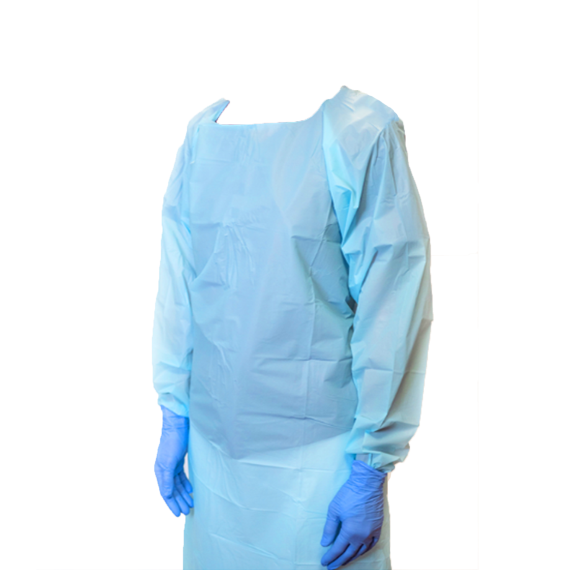
Sleeved Disposable Aprons
Some protective aprons include sleeve coverage for applications requiring additional protection.
They are commonly used in specialised environments.
Factors to Consider When Buying Disposable Plastic Aprons
Selecting the right disposable apron requires careful consideration of several factors.
Material Quality
The quality of plastic affects durability, flexibility, and protection.
Businesses should consider:
- Material thickness
- Strength
- Flexibility
- Resistance to tearing
Thickness Level
Different tasks require different thickness levels.
Lightweight aprons are suitable for basic protection, while thicker options are better for demanding environments.
Size and Fit
A properly fitting apron provides better coverage and comfort.
Consider:
- Length
- Width
- Tie strength
- User requirements
Packaging and Quantity
Disposable aprons are usually supplied in bulk packs.
Businesses should select packaging based on:
- Daily usage
- Storage capacity
- Operational needs
Compliance and Quality Standards
For industries such as healthcare and food services, selecting products that meet relevant safety and quality standards is important.
Choosing the Right Disposable Plastic Apron Supplier
A reliable supplier ensures consistent quality and availability.
Product Quality
Always choose suppliers that provide durable and reliable protective products.
Important considerations include:
- Material consistency
- Manufacturing quality
- Product performance
Bulk Supply Availability
Businesses often require large quantities of disposable aprons.
A professional supplier should provide:
- Wholesale options
- Regular stock availability
- Reliable delivery
Competitive Pricing
Price is important, but it should be balanced with product quality.
The cheapest option may not always provide the best protection.
Customer Support
A reliable supplier should provide assistance with product selection, bulk orders, and ongoing supply requirements.
Delivery Reliability
Fast and dependable delivery helps businesses avoid shortages.
How to Store Disposable Plastic Aprons Properly
Proper storage helps maintain product quality.
Businesses should:
- Store aprons in a clean, dry area
- Keep packaging sealed
- Avoid direct sunlight
- Protect products from excessive heat
- Organise stock using inventory systems
Good storage practices prevent damage and ensure products remain ready for use.
Disposable Plastic Aprons vs Reusable Aprons
Businesses often compare disposable and reusable protective aprons.
Disposable Plastic Aprons Advantages
- Single-use hygiene
- Lower maintenance requirements
- Easy replacement
- Reduced contamination risk
- Affordable bulk purchasing
Reusable Aprons Advantages
- Long-term use
- Less frequent replacement
- Suitable for certain applications
The right choice depends on workplace requirements, hygiene standards, and usage frequency.
Environmental Considerations of Disposable Plastic Aprons
Disposable products provide important hygiene benefits, but responsible disposal is essential.
Businesses can improve environmental practices by:
- Choosing recyclable materials where available
- Following proper waste disposal procedures
- Avoiding unnecessary usage
- Selecting suppliers with sustainable options
Many manufacturers now offer improved materials and packaging solutions to reduce environmental impact.
Common Mistakes When Buying Disposable Plastic Aprons
Avoiding common purchasing mistakes helps businesses choose better protective solutions.
Choosing Based Only on Price
Low-cost products may compromise strength and reliability.
Ignoring Workplace Requirements
Different industries require different levels of protection.
Buying Incorrect Sizes
Poor-fitting aprons may reduce comfort and coverage.
Not Maintaining Enough Stock
Running out of protective equipment can interrupt daily operations.
Frequently Asked Questions About Disposable Plastic Aprons
What are disposable plastic aprons used for?
Disposable plastic aprons protect clothing and provide a barrier against liquids, dirt, stains, and contaminants in workplaces.
Which industries use disposable plastic aprons?
They are commonly used in healthcare, food service, hospitality, cleaning, beauty, and industrial environments.
Are disposable plastic aprons waterproof?
Most polyethylene disposable aprons are water-resistant and provide protection against liquid splashes.
Are disposable plastic aprons reusable?
They are designed for single-use applications to maintain hygiene and reduce contamination risks.
What materials are disposable plastic aprons made from?
Most disposable plastic aprons are made from polyethylene materials such as LDPE and HDPE.
Can businesses buy disposable plastic aprons in bulk?
Yes. Wholesale suppliers provide bulk quantities suitable for businesses with regular usage requirements.
How thick should a disposable plastic apron be?
The required thickness depends on the application. Light tasks require thinner aprons, while demanding tasks may require heavier materials.
Are disposable plastic aprons suitable for food handling?
Yes. They are widely used in food preparation and catering environments to support hygiene practices.
How should disposable plastic aprons be stored?
They should be stored in a clean, dry location while keeping original packaging sealed.
Can disposable plastic aprons be recycled?
Some plastic apron materials may be recyclable depending on local recycling facilities and material composition.
Conclusion
Disposable protective clothing plays an important role in maintaining workplace hygiene and safety. Disposable Plastic Aprons provide a simple, affordable, and effective solution for protecting clothing and reducing contamination risks across multiple industries.
From healthcare facilities and restaurants to cleaning companies and hospitality businesses, disposable aprons help workers perform their tasks safely and efficiently.
By choosing the right material, thickness, size, and supplier, businesses can ensure they have reliable protection while maintaining high hygiene standards. Investing in quality disposable plastic aprons supports cleaner workplaces, better safety practices, and improved operational efficiency.