Reliable door operation is essential for commercial premises where roller doors handle regular vehicle and staff movement. In warehouses, shops, and industrial buildings, constant use can lead to worn springs, misaligned tracks, motor faults, and slower operation that disrupts everyday activities. Addressing these problems promptly can reduce the likelihood of further damage and unexpected access restrictions. Commercial roller door repairs help restore door functionality while preserving secure entry and exit points for business premises. Timely servicing and appropriate repairs can also minimise operational delays, support dependable performance, and reduce disruptions to deliveries, employees, and customers.
Selecting Commercial Roller Doors for Different Workplace Conditions
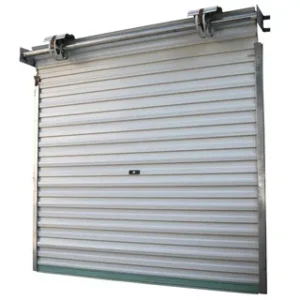
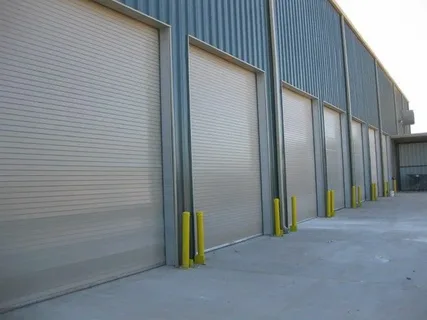
Commercial roller doors are available in a range of materials and designs, allowing businesses to choose options that suit their premises and daily operating requirements. Steel doors provide strong construction and resistance to physical impact, making them appropriate for sites where security and durability are priorities. Aluminium models offer a lighter structure and resistance to corrosion, which can be beneficial in areas exposed to moisture or variable weather.
Insulated doors help reduce heat transfer between indoor and outdoor environments, supporting more consistent internal temperatures and improved thermal performance. For locations where insulation is not a major concern, non-insulated designs can provide a straightforward and cost-conscious solution. Perforated panels may also be suitable for workplaces that require airflow or visibility through the door.
Operating systems are another important consideration, with manual and motorised options offering different levels of convenience. Evaluating material strength, insulation needs, opening mechanisms, panel styles, and available clearance helps businesses select commercial roller doors that meet their security requirements while providing practical and dependable everyday use.
Routine Servicing to Keep Commercial Roller Doors Working Smoothly
Consistent maintenance plays an important role in preserving commercial roller door performance and reducing the risk of unexpected faults. Checking tracks, rollers, springs, and other moving parts can help identify deterioration before it interferes with normal operation. Suitable lubrication reduces friction between mechanical components, encouraging smoother movement and limiting avoidable wear. Door seals should also be examined for damage that could affect insulation or allow dust and moisture to enter the building.
Track alignment deserves particular attention because uneven tracks can place excessive strain on the operating mechanism and cause irregular movement. Loose fasteners and minor mechanical issues should be addressed before they develop into more serious problems. Professional maintenance can also involve checking motors, sensors, emergency release mechanisms, and safety features to ensure that the door continues to operate as intended.
A planned servicing schedule can contribute to a longer working life and help reduce costly interruptions to business activities. By keeping mechanical parts and safety systems in suitable condition, businesses can maintain reliable access, protect their premises, and support consistent roller door operation.
Warning Signs of Wear in Commercial Roller Door Mechanisms
Frequent operation, exposure to the elements, and natural component wear can gradually affect commercial roller door systems. Damaged or poorly aligned tracks may cause the door to move unevenly, stick during operation, or require additional force to open and close. Springs can lose tension or break, affecting door balance and making movement unreliable.
Worn rollers may create grinding sounds, rattling, or noticeable resistance as the door travels along its tracks. Motorised doors can also develop faults involving electrical connections, switches, control systems, or motors, potentially leading to intermittent operation or complete stoppage. Weather seals may deteriorate over time, reducing their ability to keep out moisture, dust, and outdoor air.
Corrosion can affect exposed metal surfaces, particularly when moisture remains on the door for extended periods, while obstructions and improper operation may place additional stress on moving parts. Recognising unusual sounds, inconsistent movement, visible damage, or changes in operating speed can help businesses arrange inspections promptly. Early attention may prevent further deterioration and reduce the likelihood of disruptive breakdowns.
Repair Solutions for Common Commercial Roller Door Faults
Commercial roller door repairs address mechanical, electrical, and structural problems that can interfere with safe and dependable access. Springs, rollers, tracks, and motors may deteriorate through repeated use, making adjustments or component replacement necessary to restore normal operation. Repair work can include correcting track alignment, replacing worn parts, and resolving issues that prevent the door from moving smoothly.
Motorised systems may need electrical checks to locate problems affecting wiring, control units, switches, or motor performance. Where corrosion or physical damage has weakened parts of the door, appropriate repairs may help restore their condition and functionality. A professional inspection can identify the source of a fault and determine which repair method is suitable for the affected system.
Arranging repairs when problems first appear can help limit further damage and reduce the time a business entrance remains unavailable. Qualified technicians can assess the door, use suitable tools, and carry out repairs with attention to safe operation. Keeping commercial roller doors in sound working condition supports reliable access, workplace security, and smoother daily operations.
Why Commercial Roller Doors Suit Business Properties
Installing commercial roller doors Adelaide can provide businesses with a practical way to manage building security, vehicle access, and available space. Their robust construction helps create a barrier against unauthorised entry, protecting equipment, inventory, vehicles, and other valuable assets. These features make roller doors a useful option for commercial and industrial premises that require controlled access throughout the working day.
The availability of different materials, finishes, and configurations allows businesses to match door designs to their building layouts and operational demands. Because roller doors open vertically, they require less clearance in front of the entrance than many conventional door styles. This arrangement can preserve usable space around loading areas, driveways, and busy access points.
Insulated models may offer additional benefits for properties in Adelaide by limiting heat exchange between internal spaces and outdoor conditions. More stable indoor temperatures can contribute to workplace comfort and may help reduce unnecessary heating or cooling demand. With suitable installation and ongoing maintenance, commercial roller doors can provide a durable access solution for businesses that depend on secure, efficient, and regular entry.
Safety Systems Integrated into Modern Roller Doors
Modern roller doors can incorporate a range of safety features designed to reduce risks to people, vehicles, equipment, and the door system itself. Motion sensors can detect obstructions within the operating area and trigger the door to stop, helping minimise the potential for collisions and associated damage during opening or closing.
Emergency stop controls and manual release mechanisms can provide additional protection when normal operation is affected by an electrical outage or technical fault. Brake locks can help limit unintended door movement, particularly around entrances with frequent pedestrian or vehicle activity. Some systems may also incorporate pressure-sensitive edges that respond when contact occurs, causing movement to stop.
Anti-fall mechanisms can offer further protection by helping prevent uncontrolled descent if components such as springs or cables experience failure. Durable construction materials can also contribute to safer operation by providing the structural strength required to withstand repeated commercial use while maintaining dependable stability.
Choosing Roller Doors around Commercial Requirements
Selecting a commercial roller door requires an assessment of how the premises are used and which characteristics are important for daily operation. Security requirements, operating frequency, available installation space, and surrounding environmental conditions can all influence the appropriate configuration. Properties handling temperature-sensitive goods or experiencing considerable temperature fluctuations may benefit from insulation, while basic storage areas may place greater emphasis on straightforward access and security.
Material choice can also affect performance, with steel providing strong construction and aluminium offering a lighter alternative with useful resistance to corrosion. Additional options such as colours, finishes, vision panels, and functional accessories can help align the door with the property’s practical and visual requirements. Available space and traffic patterns can also influence whether manual or motorised operation is preferable. Professional assessment can help match these features with the property’s long-term needs.
Accurate Installation for Consistent Commercial Roller Door Performance
Correct installation is an important factor in ensuring commercial roller doors operate safely and reliably within business premises. Skilled installers can fit and align essential components, including tracks, springs, guides, and motors, to support balanced movement and consistent performance during frequent daily use.
Careful calibration also helps prevent problems such as irregular door travel, excessive component wear, and repeated mechanical faults. Installation specialists can test operational and safety features, including sensors and emergency release systems, before the door is put into service. Thorough setup can reduce the risk of avoidable faults and help establish reliable operation from the beginning.
Building conditions must also guide the installation process. Structural support, mounting positions, door weight, and available space all influence how the system should be fitted. Taking these factors into account helps create a stable installation suited to the property’s layout and access requirements. Professional fitting can therefore reduce issues caused by incorrect assembly while supporting the door’s durability, safety, and long-term functionality.
Environmental Benefits of Energy-Efficient Roller Door Design
The environmental impact of commercial roller doors is influenced by the materials used, manufacturing processes, and energy performance throughout their service life. Steel and aluminium are commonly used because of their strength and recyclability, offering opportunities to reduce waste when materials are recovered and reused. Durable construction can also limit the need for frequent replacements, helping reduce material consumption over time.
Insulated roller doors can contribute to better energy management by reducing heat transfer through building entrances. Maintaining more stable indoor temperatures may decrease reliance on heating and cooling systems, potentially lowering electricity use and associated emissions. Manufacturing improvements can also support more responsible resource consumption and help reduce waste during production.
Effective weather seals provide another practical benefit by limiting unwanted air movement around the door opening. This can help preserve indoor temperature control and improve overall building efficiency. Choosing durable materials, suitable insulation, and well-sealed designs allows commercial properties to consider environmental performance alongside security and everyday functionality, supporting more efficient resource use in demanding workplace settings.
Conclusion
Regular servicing and timely repairs of commercial roller doors Adelaide help businesses maintain secure access and minimise disruption to routine activities. Identifying component wear and mechanical faults early can reduce the likelihood of serious breakdowns and prolonged operational delays. Choosing equipment appropriate for the premises can further support security, thermal performance, and dependable use. Insulation and integrated safety mechanisms may provide additional functional benefits. Skilled installation and professional repair work help preserve door alignment, maintain component reliability, and support safer operation across commercial facilities.
FAQs
Which materials are used to manufacture commercial roller doors Adelaide?
Commercial roller doors Adelaide are commonly constructed from steel or aluminium, depending on the intended application. Steel offers substantial strength and resistance to impact, whereas aluminium provides a lighter alternative with corrosion-resistant properties suited to damp environments and variable weather exposure.
How frequently do commercial roller doors require maintenance?
Regular inspections and scheduled servicing help keep commercial roller doors operating correctly, with maintenance every six months often used as a general recommendation. These assessments can reveal wear in moving components and allow developing faults to be addressed before unexpected failures occur.
What problems indicate that a roller door may need professional repairs?
Warning signs include grinding noises, irregular travel, bent tracks, worn rollers, delayed opening, and inconsistent motor performance. Having the door inspected promptly can help establish the cause of the problem and prevent further damage to connected components.
Are insulated roller doors suitable for business premises?
Insulated roller doors can benefit commercial buildings that require more consistent indoor temperatures. Their construction helps restrict heat transfer between indoor and outdoor environments, potentially reducing the workload on heating and cooling equipment and supporting more controlled energy use.
Which safety mechanisms are available for commercial roller doors?
Available safety options include obstacle detection sensors, emergency stop controls, automatic reversal functions, and anti-drop devices. These mechanisms help respond to obstructions, manage unexpected movement, and reduce potential hazards arising from mechanical faults or uncontrolled door operation.
Why is professional installation important for roller doors?
Professional installation ensures that door sections, tracks, springs, and operating mechanisms are positioned and adjusted correctly. Proper alignment and setup can improve movement, maintain safety-feature effectiveness, reduce unnecessary wear, and support compliance with applicable workplace and installation standards.
| Related Business Listings |
| Contact Directory |
| Local Business Profiles |